
MHADA Redevelopment: Sion Pratiksha Nagar Transit Buildings to be Revamped
Summary
MHADA is set to redevelop dilapidated transit buildings in Sion Pratiksha Nagar, prioritizing resident safety and in-situ rehabilitation. The project includes constructing new towers with modern amenities and providing temporary accommodation for affected families.

Introduction
The issue of ageing and unsafe residential structures has remained a major concern in Mumbai’s housing landscape. Recently, MHADA redevelopment has gained attention after the authority approved the reconstruction of four deteriorated buildings in Sion Pratiksha Nagar. These buildings had raised serious safety concerns among residents. With this decision, Mumbai housing authorities aim to provide secure and modern living spaces. The move reflects MHADA’s commitment to improving living conditions and protecting families residing in structurally weak buildings across the city.
Background of the Redevelopment Decision
The four transit buildings at Pratiksha Nagar had been in poor condition for several years. Residents repeatedly complained about cracks, water seepage, and weakening foundations. These MHADA buildings were originally meant for temporary accommodation but continued to be occupied for long periods. Over time, neglect and infrastructure stress made them unsafe. After receiving consistent requests from residents, MHADA finally initiated formal evaluation and planning for redevelopment.
Structural Audit and Safety Findings
To ensure transparency and accuracy, MHADA conducted a structural audit through IIT Bombay. The report highlighted serious damage caused by an underground water pipeline passing beneath the buildings. Continuous leakage had weakened the foundation and walls. Experts concluded that repair work would not be sufficient. Instead, full reconstruction was recommended. This professional assessment formed the basis for the MHADA redevelopment project and ensured that safety became the top priority.
Change in Development Strategy
Initially, MHADA had proposed constructing Middle Income Group sale housing on the site. However, after reviewing residents’ demands and safety reports, the authority revised its plan. The focus shifted to transit housing for existing occupants. This policy change reflects a people-centric approach. By prioritising rehabilitation over commercial development, MHADA reinforced its commitment to public welfare and social responsibility.
Project Scope and Construction Plan
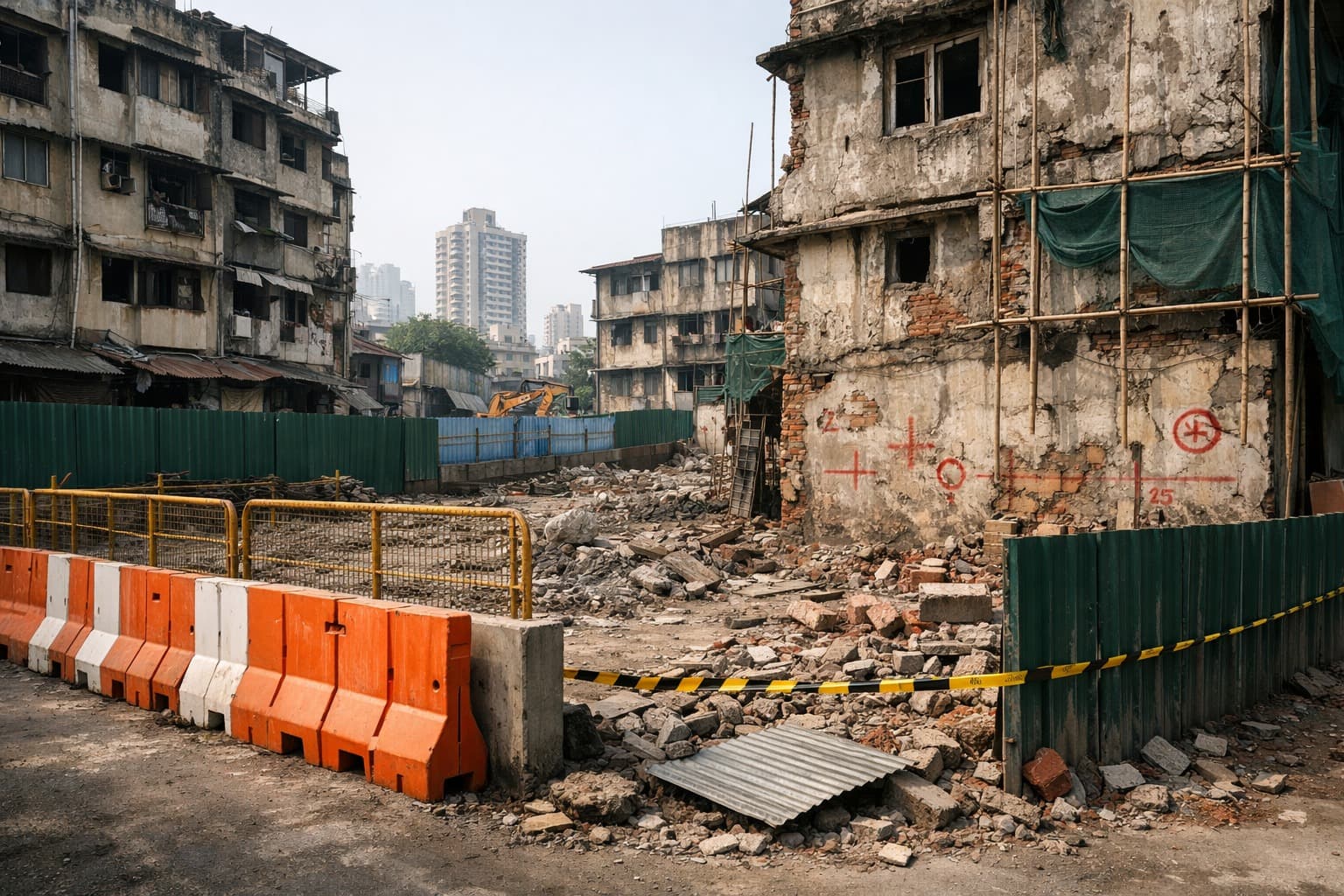
Under the approved plan, two new towers will be built with stilt parking and 22 floors each. These towers will provide a total of 322 modern transit tenements. The Sion transit buildings numbered 36, 37, 53, and 54 will be demolished and replaced. The design includes improved ventilation, fire safety systems, and better structural strength. The project is expected to be completed within two years from commencement.
Rehabilitation of Affected Residents
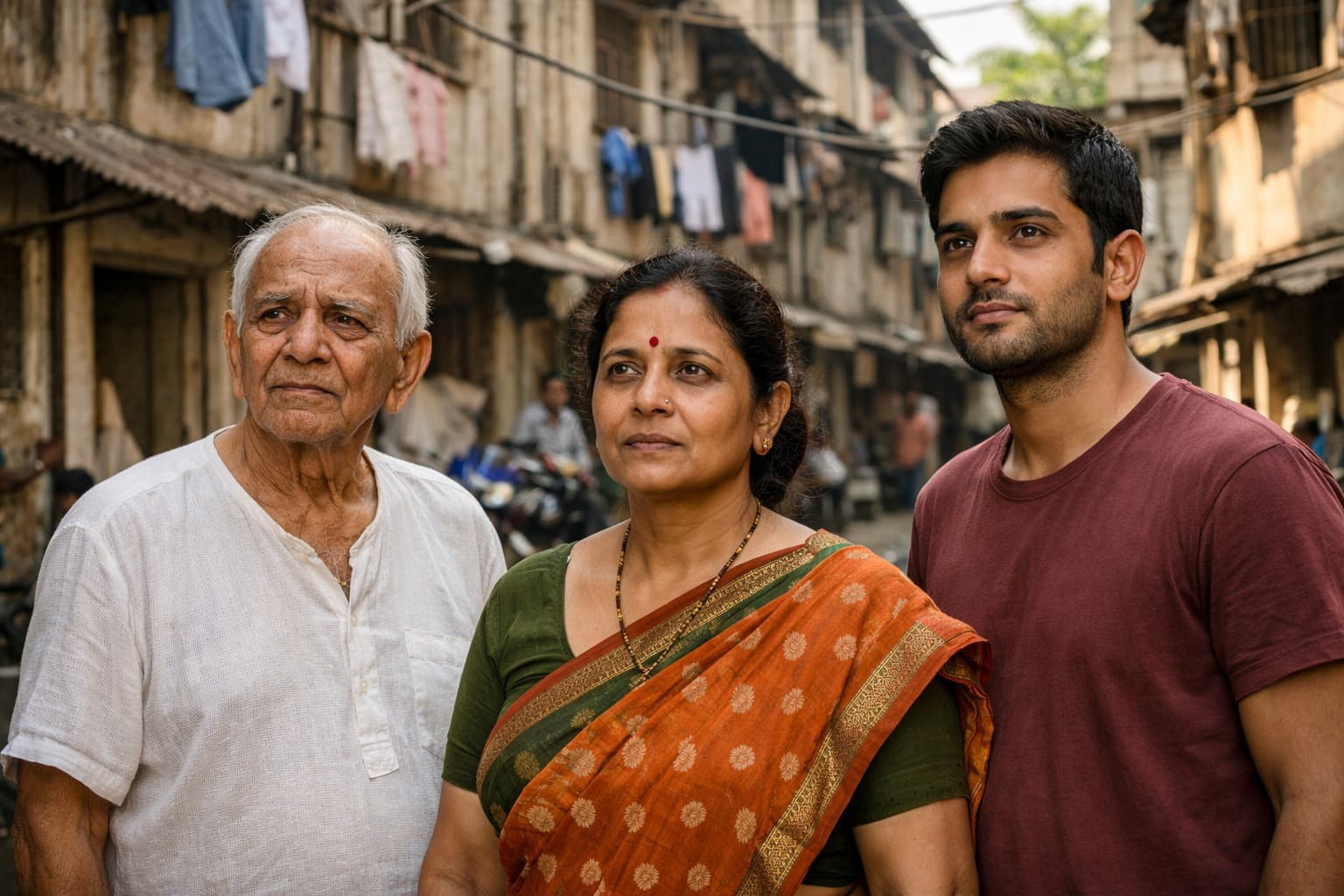
The redevelopment will benefit 261 families and four shop owners. Eligible residents will receive new homes within the same housing layout. This forms a major part of the MHADA rehabilitation scheme. Maintaining the original community structure helps residents avoid social and economic disruption. Shop owners will also be provided with suitable commercial spaces, ensuring livelihood continuity after redevelopment.
Temporary Accommodation and Rent Support
During the construction period, residents will be relocated to temporary housing. MHADA has assured alternative accommodation along with monthly rent assistance. This step aims to minimise inconvenience. Under the Mumbai housing authority update, officials confirmed that financial support would be provided until residents return to their new homes. Such measures reduce stress and help families manage relocation smoothly.
Importance of In-Situ Rehabilitation
One of the most significant aspects of this project is in-situ rehabilitation. MHADA has accepted residents’ long-standing demand to remain within the same locality. This approach supports social stability and preserves access to schools, workplaces, and healthcare facilities. The Pratiksha Nagar redevelopment model reflects modern urban planning principles that focus on community preservation rather than displacement.
Leadership and Administrative Support
MHADA Vice-President and CEO Sanjeev Jaiswal has played a key role in advancing this project. He stated that resident safety and housing security are central to MHADA’s mission. Administrative coordination with engineers, planners, and contractors has ensured timely approvals. Strong leadership has helped overcome delays that previously affected the project’s progress.
Impact on Mumbai’s Redevelopment Policy
This project highlights a broader shift in Mumbai’s redevelopment policy. Authorities are now focusing more on safety, transparency, and resident participation. The redevelopment of MHADA buildings in Mumbai demonstrates how public agencies can balance infrastructure renewal with social responsibility. Similar models may be adopted in other ageing housing colonies across the city.
Benefits for Urban Infrastructure
Modern redevelopment projects contribute to improved urban infrastructure. New buildings include efficient water systems, better drainage, and waste management facilities. The Sion Pratiksha Nagar transit housing project will also enhance road access and parking arrangements. These upgrades improve overall neighbourhood quality and support sustainable urban growth.
Challenges in Redevelopment Projects
Despite positive intentions, redevelopment projects often face challenges. These include legal disputes, funding delays, and contractor issues. Maintaining transparency and timely communication is essential. In this case, MHADA has attempted to address these risks through professional audits and clear timelines. Continuous monitoring will be necessary to ensure smooth execution.
Role of Community Participation
Resident cooperation has been crucial in moving this project forward. Regular meetings and feedback sessions helped authorities understand ground-level concerns. Community involvement strengthens trust between residents and administrators. The success of the MHADA rehabilitation for transit residents Mumbai depends largely on this collaborative approach.
Future Outlook for Transit Housing
With rising urban population, demand for safe transit housing will continue to grow. MHADA’s focus on quality construction and timely delivery sets a positive example. The Mumbai MHADA transit building redevelopment plan reflects a long-term vision of inclusive housing. Similar projects are expected to be announced in other vulnerable areas of the city.
Significance for Homebuyers and Investors
Although transit housing is mainly for rehabilitation, such projects influence overall market confidence. Buyers feel reassured when authorities prioritise safety. Improved neighbourhood infrastructure also attracts private investment. The project strengthens public trust in housing institutions and contributes to stable real estate development.
Long-Term Social and Economic Impact
Safe housing improves health, productivity, and social well-being. Children benefit from better study environments, while elderly residents feel more secure. Rebuilt housing colonies also create temporary employment opportunities. Over time, these projects contribute to balanced urban development and social harmony.
Summary
MHADA’s decision to redevelop unsafe transit buildings in Sion Pratiksha Nagar marks an important step toward improving urban housing safety. The project focuses on in-situ rehabilitation, modern infrastructure, and resident welfare. With professional audits, revised development plans, and temporary support measures, the authority aims to minimise disruption. This redevelopment reflects a shift toward people-centric housing policies. If implemented effectively, it will enhance living standards, restore public confidence, and serve as a model for future rehabilitation projects in Mumbai.
Video will be embedded from: https://www.youtube.com/watch?v=ATwnLym6mTM