
Maharashtra Reviews TDR Relief for Flood-Line Properties: A Path to Redevelopment?
Summary
Maharashtra is reviewing TDR rules for properties near flood lines to potentially unlock stalled redevelopment projects. A new committee will reassess flood lines and UDCPR, balancing urban growth with environmental concerns in cities like Pune.

Introduction
Redevelopment challenges linked to flood-line restrictions have affected thousands of property owners across Maharashtra. In a recent development, the state government has formed a 12-member committee to re-examine flood line demarcations and review the use of TDR in affected areas. This move could provide long-awaited clarity for property owners in Pune, Pimpri Chinchwad, and other cities. The decision marks an important step in addressing stalled projects caused by strict Maharashtra TDR policy limitations.
Background of the Flood Line Issue
In 2009, the irrigation department demarcated river flood lines across several cities. Many buildings, particularly in Pimpri Chinchwad, had already been constructed before this demarcation. Although these structures are legally built, redevelopment has been stalled.
Developers hesitate to take up projects where TDR benefits cannot be used under existing norms. This has intensified flood line redevelopment Maharashtra concerns among residents.
Formation of the 12-Member Committee
The newly formed panel includes officials from town planning, irrigation, environment, and rehabilitation departments. Municipal commissioners from Pimpri Chinchwad, Kolhapur, and Chandrapur are also part of the committee.
The government has directed the panel to complete a Maharashtra flood line re survey within two months. The objective is to reassess flood lines and recommend policy improvements.
Review of UDCPR and TDR Usage
One of the committee’s key tasks is to evaluate whether changes are required in the Unified Development Control and Promotion Regulations. The review will specifically examine amendments in UDCPR for TDR usage Maharashtra.
If approved, this could allow TDR relief for properties located within flood lines but built before the 2009 demarcation. This is seen as a major relief measure for affected housing societies.
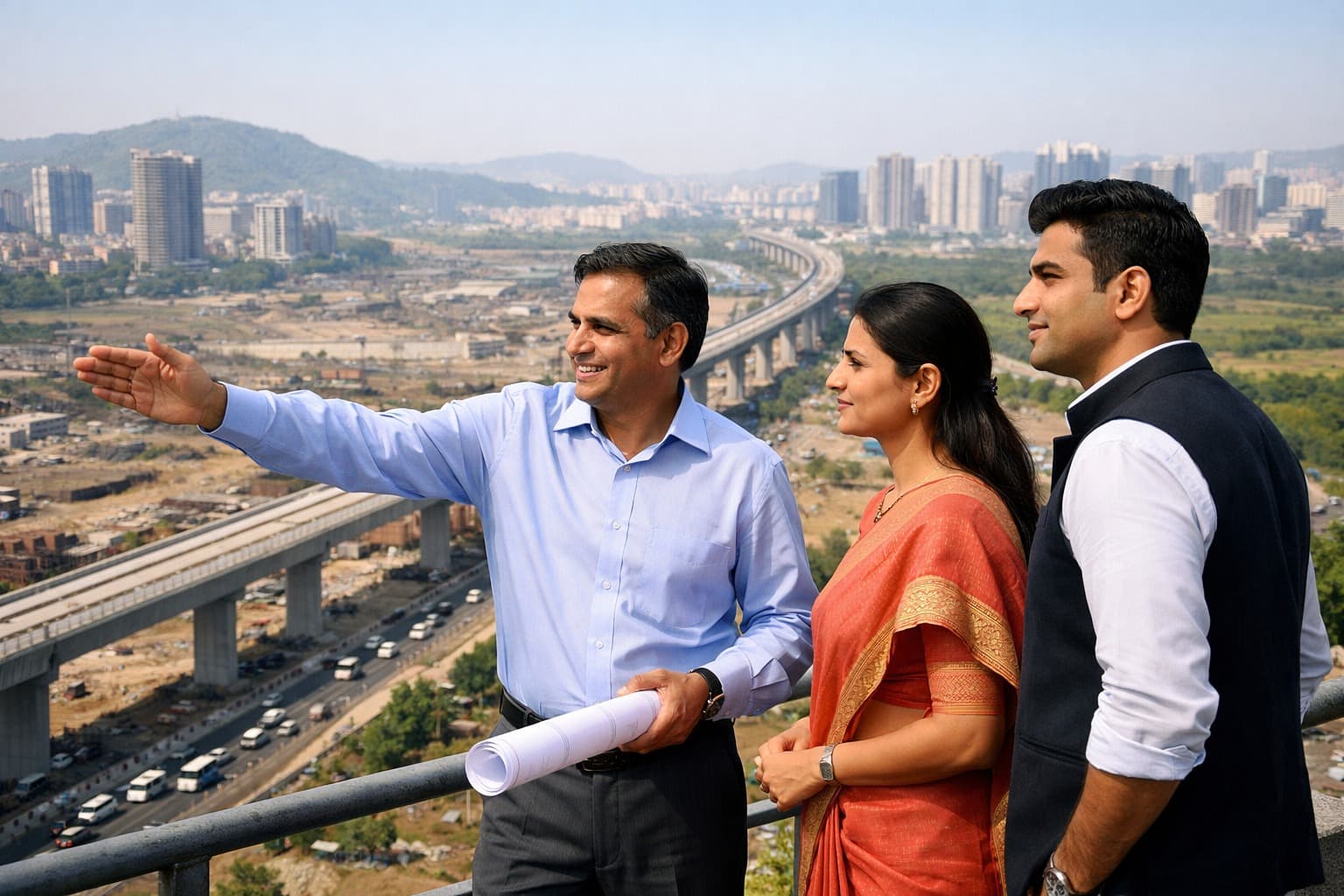
Impact on Pimpri Chinchwad Housing Societies
Residents of Pimpri Chinchwad have been particularly affected. Around 124 housing societies in Chinchwad alone face redevelopment delays. Many of these buildings are 30 to 40 years old.
Due to current TDR rules for redevelopment in Pune, developers are reluctant to invest in these projects. The committee’s findings may unlock stalled proposals and improve safety standards.
Political and Administrative Developments
The issue was raised in the state assembly last year, prompting the government to assure a statewide re-survey. The formation of the panel follows that commitment.
Supporters of the move believe it will resolve long-standing Pimpri Chinchwad redevelopment issues. However, some residents have questioned the committee’s composition, stating that it includes only administrative officers.
Residents’ Concerns and Demands
Local housing associations have welcomed the decision but want greater public representation. They argue that administrative decisions initially created confusion regarding flood lines.
They hope the report will provide practical solutions for properties within flood lines Maharashtra and remove ambiguity in building permissions.
Environmental Perspective on TDR Relief
Environmental activists have described the move as overdue. Some claim that flood lines were marked without adequate scientific evaluation.
However, they caution against unrestricted redevelopment of properties in flood line areas. Increasing TDR or FSI in sensitive zones could heighten flood risks, especially with growing climate challenges.
Climate Risk and Urban Planning Concerns
Activists emphasize that climate change has increased flood vulnerability across cities. They suggest relocation and rehabilitation rather than expansion within flood-prone zones.
Balancing urban growth with environmental safety will be crucial while reviewing impact of flood line demarcation on property redevelopment policies.
Economic and Real Estate Implications
If policy amendments are approved, redevelopment activity in Pune and Pimpri Chinchwad could increase significantly. Stalled projects may resume, improving housing safety and market value.
Developers may regain interest once clarity is provided on Unified Development Control Regulations update and TDR usage.
Role of TDR in Urban Development
Transfer of Development Rights allows property owners to transfer unused development potential to another plot. It has been a critical tool in urban planning.
Restricting TDR in flood-line areas has limited redevelopment potential. A revised Maharashtra government committee on TDR relief may reshape how cities handle similar legacy issues.
Future Outlook for Affected Property Owners
The committee’s report, expected within two months, will determine the next steps. If recommendations support policy changes, thousands of residents may finally move forward with redevelopment.
However, decisions must carefully balance citizen relief and environmental protection. The outcome will influence long-term Pune redevelopment news and urban planning across Maharashtra.
Summary
Maharashtra’s decision to form a 12-member committee to review flood line demarcations and TDR rules could bring relief to thousands of property owners facing redevelopment hurdles. The panel will reassess existing flood lines and recommend amendments to UDCPR for properties built before 2009. While residents welcome the move, environmental experts urge caution to prevent increased flood risk. The final report will play a crucial role in balancing redevelopment needs with climate resilience and responsible urban planning across the state.
Video will be embedded from: https://www.youtube.com/watch?v=GLwi9j0xFb4