
Lokhandwala Complex Redevelopment: Mumbai's Vertical Growth Surge
Summary
Lokhandwala Complex in Mumbai is undergoing a significant redevelopment, driven by aging infrastructure and the need for modern amenities. This vertical growth surge transforms the area into a premium urban precinct, attracting investors and residents alike.

Mumbai’s Lokhandwala Complex Enters Redevelopment Mode: A Vertical Growth Surge
Mumbai’s Lokhandwala Complex in Andheri West, originally developed in 1984-85 on reclaimed marshland, is now entering a major redevelopment phase, transforming the western suburbs’ skyline. Over four decades, the township evolved from a self-contained middle-class residential colony into a vibrant hub with hundreds of shops, essential services, and luxury retail. Today, aging buildings, rising maintenance costs, and flood vulnerabilities are compelling societies to opt for redevelopment, with higher FSI (Floor Space Index) and strong developer interest driving this vertical growth trend.
Lokhandwala Complex: From 1980s Vision to 2026 Reality
Lokhandwala Complex was built on emerald-green mangroves and marshland, divided into four parallel lanes. Early residents recall commuting via rudimentary paths and camels before pucca roads were constructed. Developers like Lokhandwala, Hiranandani, and Walawalkar initially led construction, creating homes for young middle-class families, many of whom are now senior citizens.
The redevelopment is now accelerating across the township, from the Svati building—known for the infamous 1991 Lokhandwala shootout—to Apna Ghar societies and Lennie at the complex’s end. Demolition and reconstruction activity is increasing, with signboards indicating new developers or project management consultants actively engaged in the projects.
Developers Driving the Second Redevelopment Wave
The first redevelopment phase involved the original builders. The second wave has attracted major developers, including:
Kalpataru Rustomjee Mahindra Lifespaces Puravankara Ajmera DLH, DGS, Bharat, Rishabhraj
Deals across societies range from 35% to 110% additional carpet area, along with corpus funds of ₹15–16 lakh for amenities, infrastructure, and contingencies. Societies like Hrushikesh in Apna Ghar-1, which had 290 flats across eight buildings built in 1983, are being reconstructed with modern specifications, lifts, and flood-resilient designs.
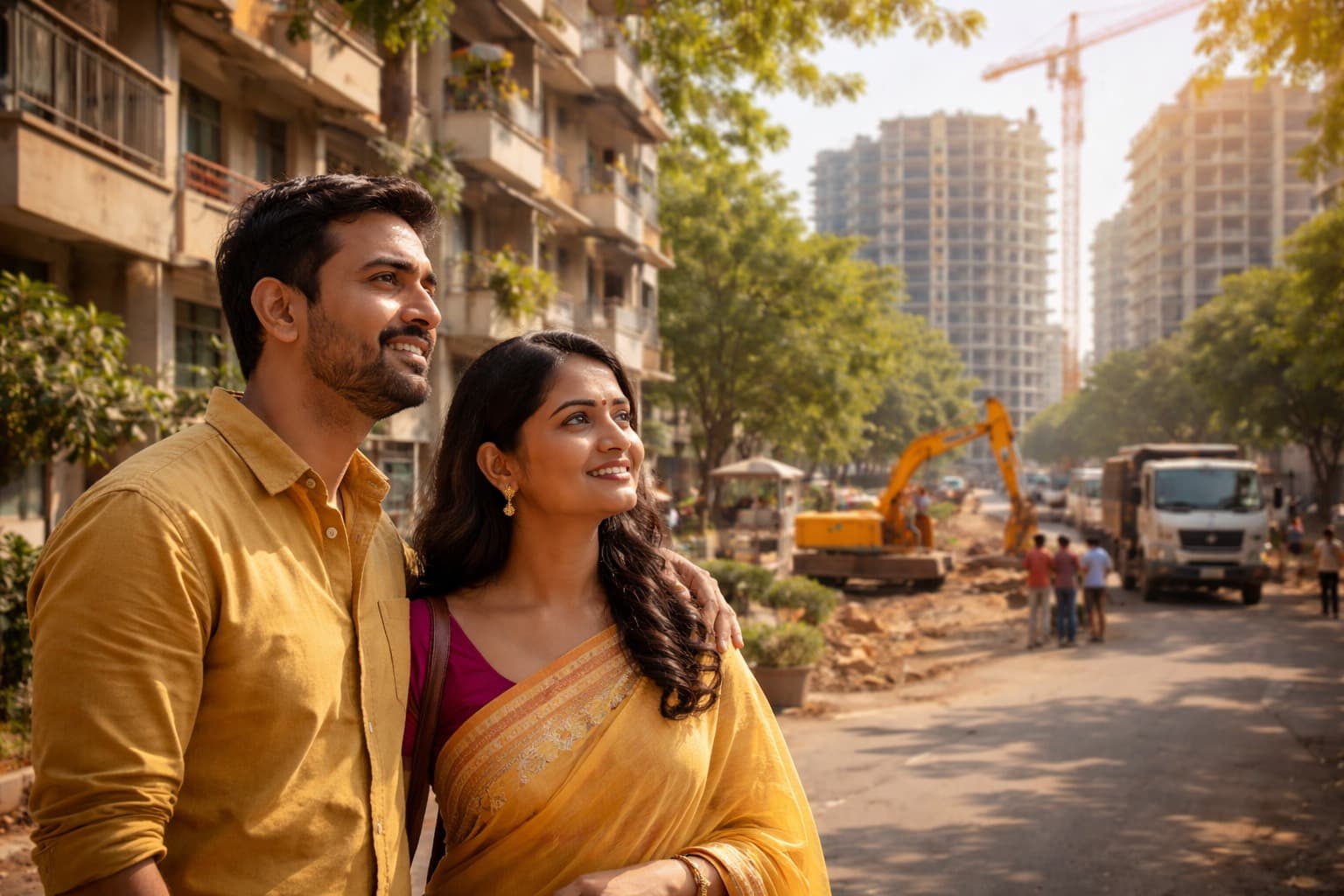
Why Redevelopment is the Need of the Hour
Redevelopment in Lokhandwala Complex is driven by multiple factors:
Aging Infrastructure: Many buildings exceed 40 years in age, with structural and cosmetic wear. Flood Vulnerability: The June 2005 floods highlighted the need for modern drainage and water management. Accessibility Issues: Buildings without lifts were increasingly difficult for senior citizens. Rising Maintenance Costs: Monthly charges are expected to rise fivefold, from around ₹2,000 to ₹10,000, factoring in swimming pools, clubhouses, gyms, and festival celebrations. Modern Lifestyle Amenities: Redeveloped towers will include modern conveniences such as gymnasiums, landscaped gardens, parking spaces, and community halls, catering to changing urban lifestyles.
Dhaval Shah of the residents’ association LOCA highlighted the dilemma of “need versus greed”—while additional rooms and modern amenities are attractive, retired residents and families with children abroad may find rising costs challenging.
Socio-Economic Impact
The redevelopment will affect residents differently:
Senior Citizens: May face affordability challenges due to increased property taxes, utility costs, and domestic help expenses. Young Families: Can benefit from larger, modern homes with better facilities. Investors: The area’s redevelopment positions Lokhandwala as a premium urban precinct, likely driving property appreciation.
Property brokers like Arun Lillaney compare Lokhandwala’s transformation to Lower Parel, citing good FSI approvals and premium developers as key drivers for growth. Residents’ associations stress that the redevelopment must be paired with upgraded roads, drainage, parking, and water infrastructure to support higher population density.
Construction and Timeline
Most societies have planned three to four-year redevelopment cycles, with phased construction to minimize disruption. Residents, such as Sheetal Chhaya and Sweeta Choitramani, have shared mixed sentiments—while redevelopment brings long-term benefits, it also involves temporary relocation and emotional challenges.
Construction practices have evolved significantly, focusing on seismic safety, flood-resistant foundations, and modern urban design. Developers are increasingly including smart building technologies, rainwater harvesting, and energy-efficient systems in line with Mumbai’s push toward sustainable urban growth.
Market Perspective
Lokhandwala Complex redevelopment is attracting high-net-worth buyers, investors, and end-users. Analysts project strong real estate appreciation due to:
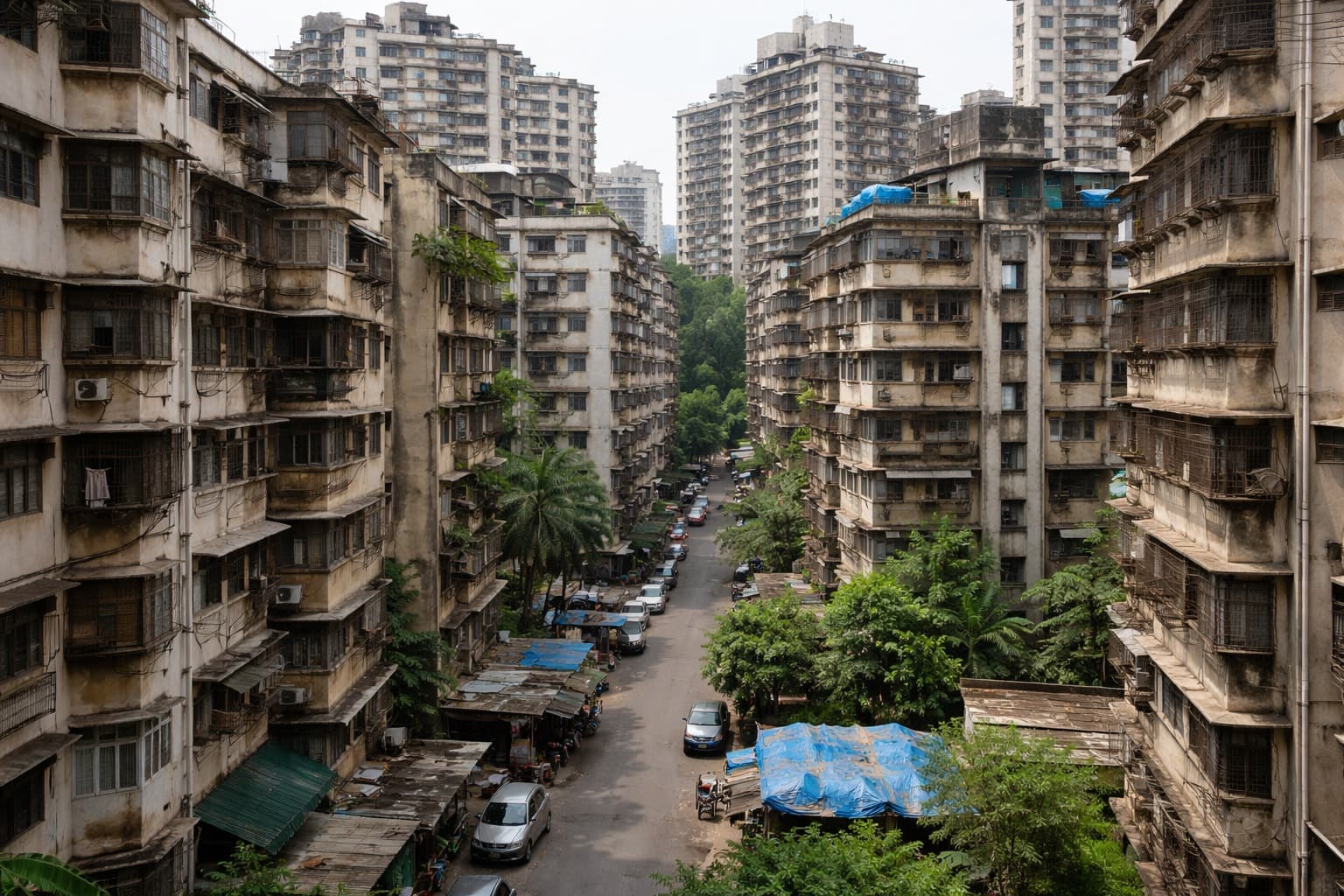
Prime western suburbs location in Andheri West Enhanced FSI enabling taller, modern towers Proximity to business districts, schools, hospitals, and shopping hubs Established community and lifestyle infrastructure
With redevelopment, per-square-foot rates are expected to rise, attracting both homeowners and investors seeking long-term capital gains.
Challenges Ahead
While the prospects are bright, challenges remain:
Rising Costs: Higher maintenance, taxes, and service charges may strain budgets. Displacement Concerns: Temporary relocation for residents can cause inconvenience. Infrastructure Pressure: Increased population density demands better traffic management, water supply, and parking solutions. Financial Prudence: Residents are advised to check developers’ financial credentials before entering agreements.
Rajesh Makhija of Landmark Estate Agency stresses that Mumbai can only grow vertically, highlighting the importance of reputed developers to maintain quality and timely delivery.
Summary
Mumbai’s Lokhandwala Complex in Andheri West, originally built in the mid-1980s, is undergoing a major redevelopment phase. Aging buildings, rising maintenance costs, flood vulnerabilities, and accessibility challenges for senior citizens are driving societies to rebuild taller, modern towers. Developers such as Kalpataru, Rustomjee, Mahindra Lifespaces, and Ajmera are active in the second redevelopment wave. While residents benefit from additional space and amenities, challenges include higher taxes, maintenance, and infrastructure demands, positioning Lokhandwala as a premium, high-density urban precinct in Mumbai.
Video will be embedded from: https://www.youtube.com/watch?v=igGmwEYENUM