
Lodha Developers’ Rising Debt: Strategic Expansion or Financial Pressure?
Summary
Lodha Developers' debt increased due to strategic land acquisitions, fueling future growth. This move, while carrying risks, leverages strong demand and disciplined execution for long-term success and project availability.

India’s real estate sector continues to evolve, with developers adopting new strategies to stay competitive. Among them, Lodha Developers stands out for its strong presence in Mumbai and growing footprint in other key cities. Recently, the company reported a significant rise in net debt, increasing by around ₹800 crore in the third quarter to reach ₹6,170 crore. This has sparked discussion in the industry: is this a sign of financial strain, or a calculated move for future growth? Let’s explore the details.
Understanding the Rise in Debt
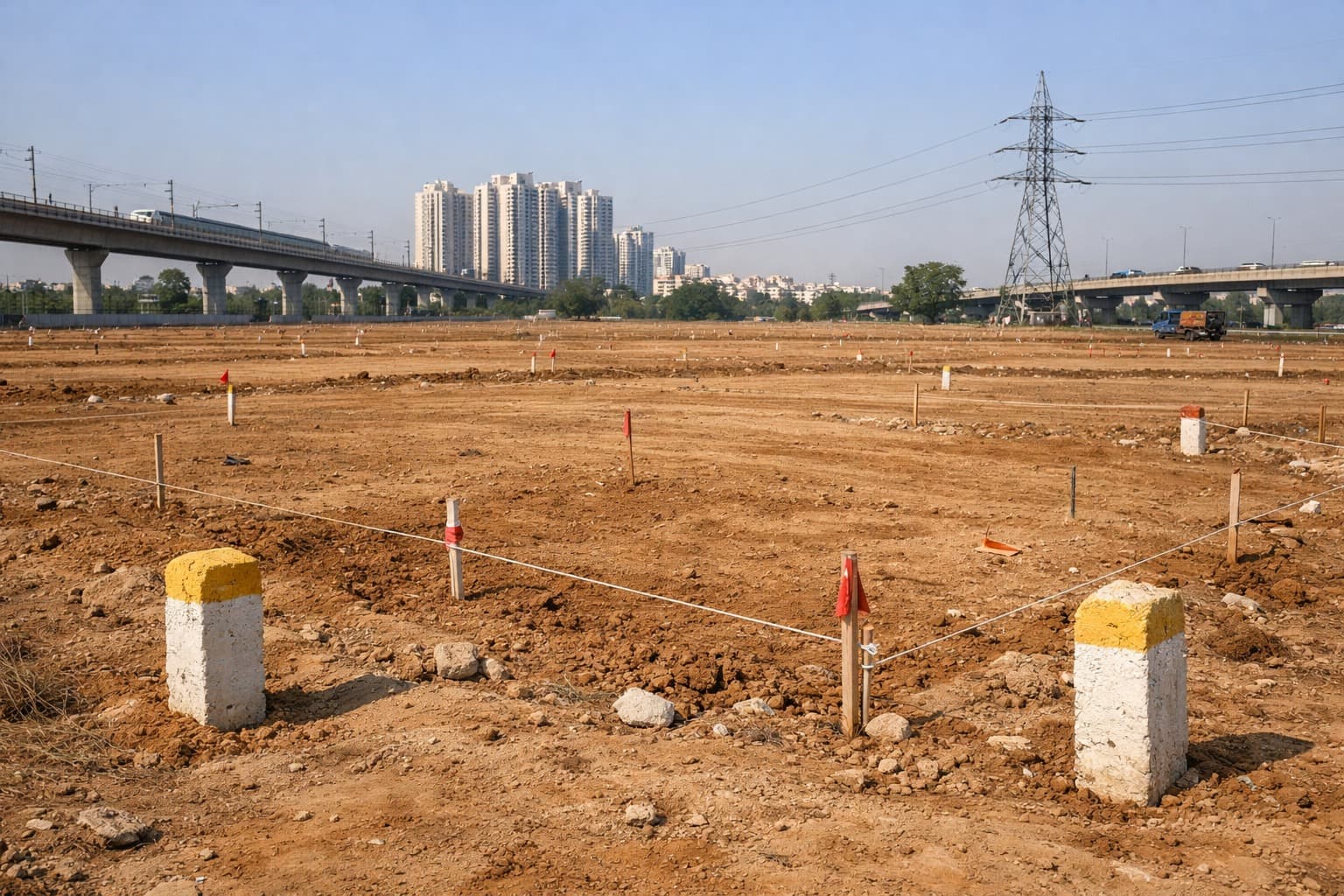
The increase in debt is primarily linked to land acquisitions in Mumbai, Pune, Bengaluru, and Delhi-NCR. Land purchases are among the most capital-intensive steps in real estate, yet they form the foundation for future development. Lodha’s strategy involves investing now to secure prime plots that will yield projects for years to come. This approach aligns with long-term financial planning rather than short-term profit generation.
Why Land Bank Expansion Matters
One of the main drivers behind the rising debt is land bank expansion. Owning strategic plots allows developers to control project timelines, reduce dependence on joint ventures, and maintain quality. These cities continue to show strong housing demand trends, particularly in mid-income and premium segments. By securing land early, Lodha ensures it can meet future market needs while keeping its brand promise of quality.
Debt as a Strategic Tool
Taking on net debt increase for land is common in the real estate industry. Construction and development require significant upfront capital, whereas revenue flows gradually as projects are launched and completed. Lodha’s leadership emphasizes that this borrowing is strategic and backed by expected future cash flows. In essence, the company anticipates that upcoming project sales will cover repayments over time.

Market Resilience and Opportunity
Despite global economic uncertainties, India’s housing market remains robust. Urban migration, rising aspirations, and smaller family units continue to drive home purchases. Lodha Developers is positioning itself to capitalize on these trends. By holding land in high-demand locations, the company strengthens its competitive edge. This forward-looking strategy reflects a commitment to long-term real estate growth planning rather than short-term gains.
Potential Risks of Rising Debt
While strategic, higher borrowing carries inherent risks. Increased interest costs can pressure profitability if project sales slow down. Investors monitor debt levels closely as a measure of financial discipline. Sudden market changes or slower-than-expected absorption of units can limit flexibility. For developers, balancing expansion with financial stability is critical. Balancing expansion with financial stability ensures that growth does not become a liability.
Execution Capability and Track Record
Lodha Developers has a strong history of project execution. Successfully launching and delivering multiple large-scale developments builds confidence that new land purchases will translate into completed homes and steady revenue. By reducing unsold inventory and aligning new launches with market demand, Lodha demonstrates disciplined real estate strategy and effective operational planning. Execution capability is key to converting borrowed capital into tangible future project pipeline and cash flows.
Implications for Homebuyers
For buyers, a growing land bank signals a steady pipeline of upcoming projects, providing more options in well-planned communities. Established developers like Lodha are preferred because of their transparency, reliability, and ability to deliver on time. Expansion supported by strategic planning enhances buyer trust. In this context, rising debt should not be seen as a warning but as a tool to enable high-quality project delivery.
Industry-Wide Trends and Consolidation
Lodha’s debt-led expansion is part of a broader pattern in India’s real estate sector. Large developers are consolidating land and focusing on scale, while smaller players face rising costs and regulatory pressures. This leads to a more organized market where established brands dominate prime locations. Lodha’s approach exemplifies a Lodha Developers land acquisition strategy that prioritizes scale, quality, and long-term positioning.
Future Outlook
Managing debt effectively requires discipline. Lodha must ensure that construction timelines, operational costs, and market absorption align with financial obligations. Transparent communication, consistent performance, and careful monitoring of market trends will be critical in maintaining investor confidence. If executed properly, debt-driven expansion can strengthen Lodha’s position as a leading real estate brand while maintaining financial health.
Lodha Developers’ rising net debt reflects ambition and strategic foresight rather than financial alarm. By acquiring land in key markets, the company secures its future project pipeline and cash flows. While higher borrowing introduces risks, strong market demand, execution capability, and disciplined planning make this increase manageable.
Summary
Lodha Developers’ net debt rose by ₹800 crore to ₹6,170 crore, primarily due to strategic land acquisitions in high-demand cities. The increase reflects a long-term growth approach, enabling a strong future project pipeline. While higher borrowing carries risks like interest costs, disciplined execution, market demand, and financial planning make this manageable. For homebuyers, it ensures project availability and quality. The strategy also aligns with broader industry trends, highlighting that controlled debt, when used for expansion, can strengthen a developer’s competitive position and market presence.
Video will be embedded from: https://www.youtube.com/watch?v=xbNUIkFIQAk