
Kandivali Cluster Redevelopment: 53 Housing Societies Plan a Major Makeover in Mumbai
Summary
53 housing societies in Kandivali are planning a cluster redevelopment to improve living conditions and infrastructure. The project aims to provide larger homes and modernize the MHADA layout, addressing structural issues and land scarcity.

Introduction
Mumbai’s redevelopment landscape is witnessing another large-scale transformation as 53 housing societies in Kandivali move towards cluster redevelopment. Located within a MHADA layout, the Chhatrapati Shivaji Raje Complex represents the challenges faced by aging housing stock in dense urban pockets. Built over two decades ago, the redevelopment plan aims to improve living conditions, infrastructure, and long-term value for thousands of residents while unlocking land potential in one of Mumbai’s key suburbs.
Overview of the Kandivali Cluster Redevelopment Project
The Chhatrapati Shivaji Raje Complex in Kandivali spans nearly 12 acres and comprises 53 housing societies. These societies collectively house 3,488 families, most of whom currently live in compact 225 sq ft apartments. Developed by MHADA in the year 2000, the layout reflects an older planning approach that no longer meets present-day safety, space, and infrastructure requirements. The proposed cluster redevelopment seeks to combine all buildings into one integrated project for comprehensive urban renewal.
Why 26-Year-Old Buildings Are Being Redeveloped
Although the buildings are only about 26 years old, residents report significant structural deterioration. Over time, wear and tear, inadequate maintenance, and outdated construction standards have weakened the buildings. In addition to structural concerns, the layout suffers from poor infrastructure planning. Extremely narrow internal roads cause frequent congestion and pose safety risks, especially for emergency vehicle access. These factors have collectively pushed residents to consider redevelopment as a long-term solution.
Understanding Cluster Redevelopment in Mumbai
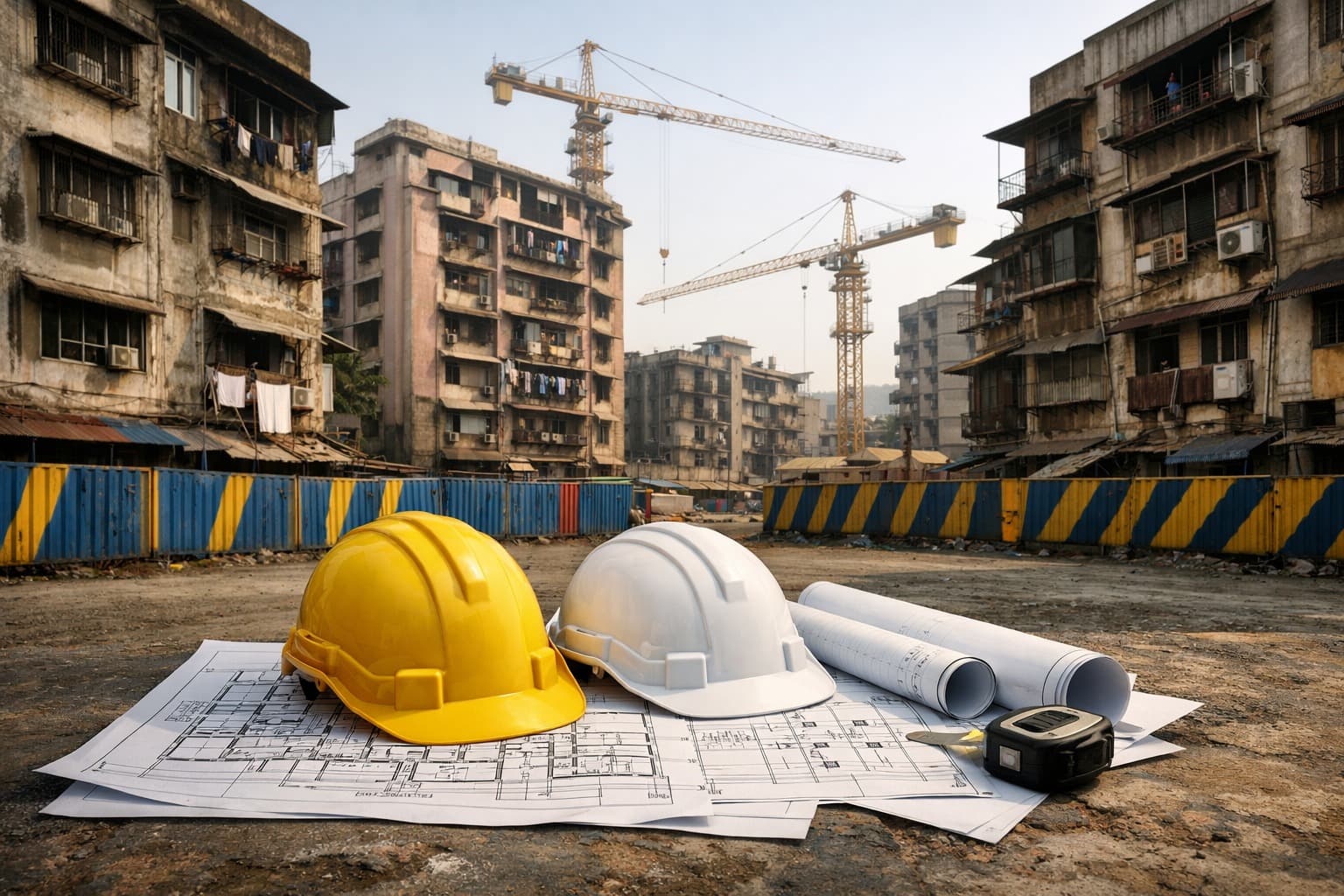
Cluster redevelopment is an urban planning model where multiple adjoining buildings or plots are redeveloped together as a single large project. Instead of piecemeal reconstruction, this approach allows better land utilisation, wider roads, improved open spaces, and modern amenities. In Mumbai, cluster redevelopment has been used in several MHADA layouts such as Motilal Nagar in Goregaon, Abhyudaya Nagar in Parel, Adarsh Nagar in Worli, and GTB Nagar in Sion. The Kandivali project follows this proven model to address congestion and infrastructure stress.
Consent Status and Resident Participation
As per Maharashtra’s cluster redevelopment norms, consent from at least 60% of housing societies is required to initiate the process. In Kandivali, 34 out of the 53 societies have already agreed to move forward, crossing the mandatory threshold. The remaining 19 societies are still in discussions. The redevelopment committee is hopeful of achieving full consensus to ensure smoother execution and unified decision-making across the entire layout.
Proposed Benefits for Existing Homeowners
One of the biggest drivers of resident support is the significant improvement in home size. Post-redevelopment, each eligible homeowner is expected to receive a 610 sq ft MOFA carpet area apartment, nearly three times the size of their current homes. In addition, residents have demanded transit rent during the construction period, starting at ₹25,000 per month in the first year and rising to ₹30,000 per month by the third year. Transportation assistance and a corpus fund of ₹1,000 per sq ft have also been proposed to safeguard residents’ financial interests.
Developer Model and Project Economics
Under the proposed redevelopment structure, the developer will rehabilitate all 3,488 existing families with new apartments. In return, the developer will receive permission to construct an equivalent number of additional apartments for sale in the open market, as allowed under applicable FSI norms. The sale of these free-sale units will form the primary revenue source, making the project financially viable while ensuring no direct construction cost burden on residents.
Tender Process and Project Safeguards
The redevelopment committee has appointed a project management consultant to oversee planning and execution. Tender documents are currently being prepared and are expected to be floated after mid-February. Residents have insisted that the tender clearly specify flat layouts, electrical and plumbing standards, and amenities. They have also demanded a mandatory bank guarantee from the developer, in line with MHADA norms, and have emphasised that only reputed developers should be considered to minimise execution risks.
What Is an MHADA Layout and Why It Matters
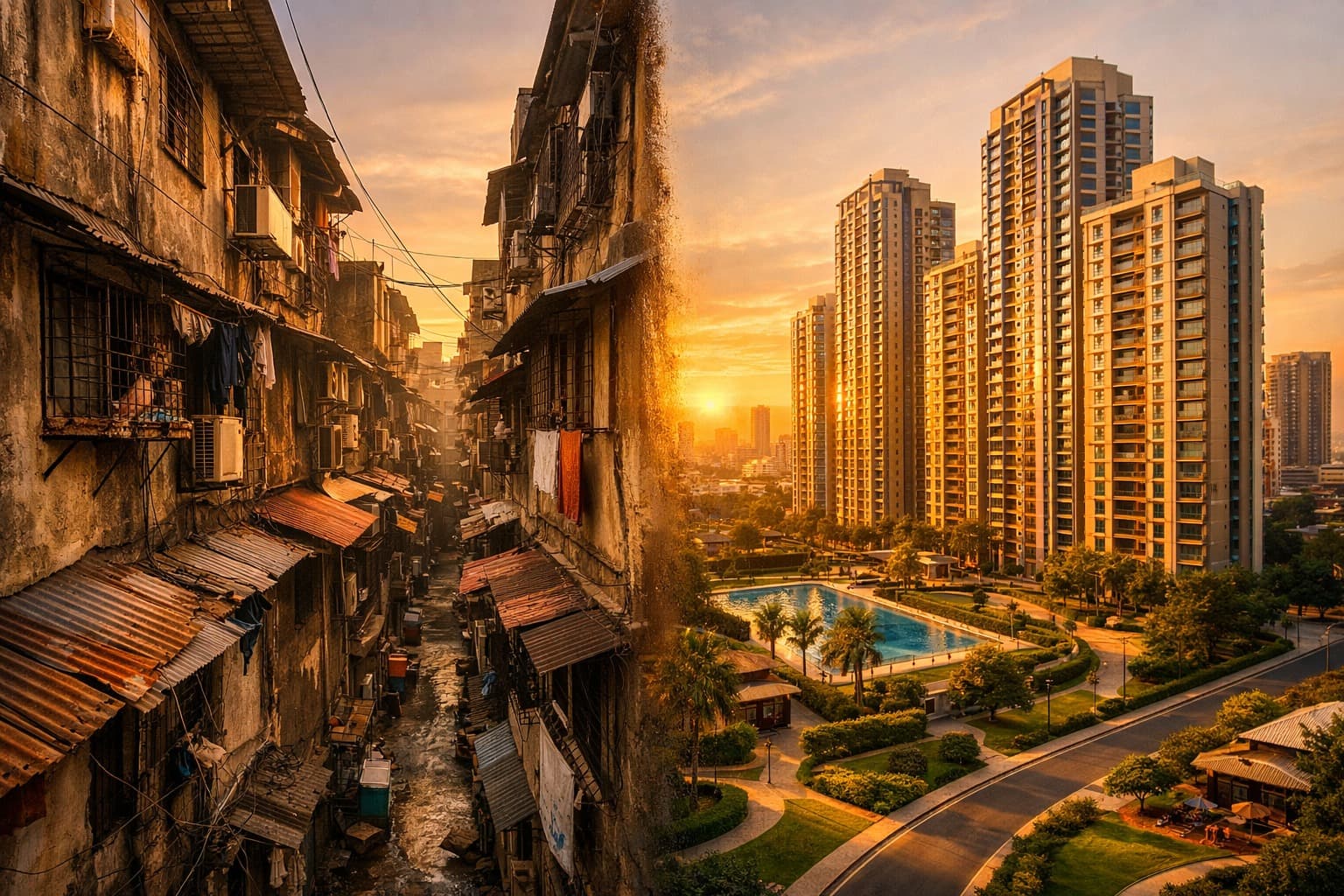
MHADA layouts are large residential clusters planned by the Maharashtra Housing and Area Development Authority, typically developed several decades ago. While they provided affordable housing at the time, many of these layouts now face aging infrastructure, poor road planning, and limited amenities. Cluster redevelopment of MHADA layouts is increasingly seen as a practical way to modernise these areas, increase housing supply, and improve overall urban liveability without displacing existing communities.
Real Estate Impact of the Kandivali Redevelopment
This redevelopment has wider implications beyond the residents involved. Large cluster projects can significantly upgrade neighbourhood infrastructure, improve road networks, and add organised open spaces. For Kandivali, successful execution could enhance property values in surrounding areas and set a benchmark for similar MHADA redevelopments across Mumbai. It also reflects the growing role of redevelopment in addressing land scarcity and housing demand in the city.
Summary
The proposed cluster redevelopment of 53 housing societies in Kandivali highlights Mumbai’s shift towards large-scale urban renewal. With over 3,488 families set to benefit from larger homes, better infrastructure, and modern amenities, the project addresses long-standing structural and planning issues. Backed by majority consent and a structured tender process, the redevelopment could transform an aging MHADA layout into a well-planned residential hub, while also contributing to Mumbai’s broader real estate and infrastructure evolution.
Video will be embedded from: https://www.youtube.com/watch?v=ezV4Jyddjic