
Kalpataru's ₹1,400 Crore Andheri Redevelopment: Signals for Mumbai's Housing Market
Summary
Kalpataru's ₹1,400 Cr Andheri West project signals strong confidence in Mumbai's redevelopment market. This project will likely raise property values and set new benchmarks for premium residences in the area.

Introduction
Mumbai's redevelopment pipeline has been the single most consequential driver of new residential supply in the city for the better part of a decade. And within that pipeline, Andheri West has consistently emerged as one of the most active redevelopment micro-markets, combining ageing housing stock, strong end-user demand, and excellent connectivity into a combination that top-tier developers find compelling. Kalpataru Andheri redevelopment signing a project with an estimated Gross Development Value of Rs 1,400 crore is the latest confirmation that this micro-market's transformation is accelerating rather than slowing. The deal adds meaningfully to Kalpataru's Mumbai pipeline and signals that the economics of large-scale Mumbai housing redevelopment in well-located western suburbs remain firmly in developers' favour.
The Project: Scale and What GDV of Rs 1,400 Crore Implies
A GDV of Rs 1,400 crore in Andheri West positions this project in the upper tier of Mumbai redevelopment transactions signed in 2026. At current market pricing in Andheri West, which ranges from Rs 25,000 to Rs 35,000 per square foot depending on the specific location, floor, and project quality, a Rs 1,400 crore revenue potential implies a saleable area of approximately 4 lakh to 5.5 lakh square feet dedicated to the developer's free-sale component after fulfilling rehabilitation obligations to existing residents.
Andheri West real estate redevelopment economics work because the gap between the cost of rehabilitating existing residents and the revenue generated from selling the free-sale component at current market rates is wide enough to justify the complexity and capital deployment that large-scale society redevelopment requires. Kalpataru's entry into this specific project suggests that gap is wide enough to support a project of this ambition.
Why Andheri West Remains a Redevelopment Hotspot
Andheri West's appeal to redevelopment developers is rooted in fundamentals that have only strengthened over time. The locality sits at the intersection of the Western Line railway corridor, the Metro Line 1 connecting Versova to Ghatkopar, and the upcoming Metro Line 2A and 7 extensions that further deepen its rapid transit connectivity. Road access to the Western Express Highway and the Link Road network makes it one of the best-connected residential addresses in the Mumbai suburbs.
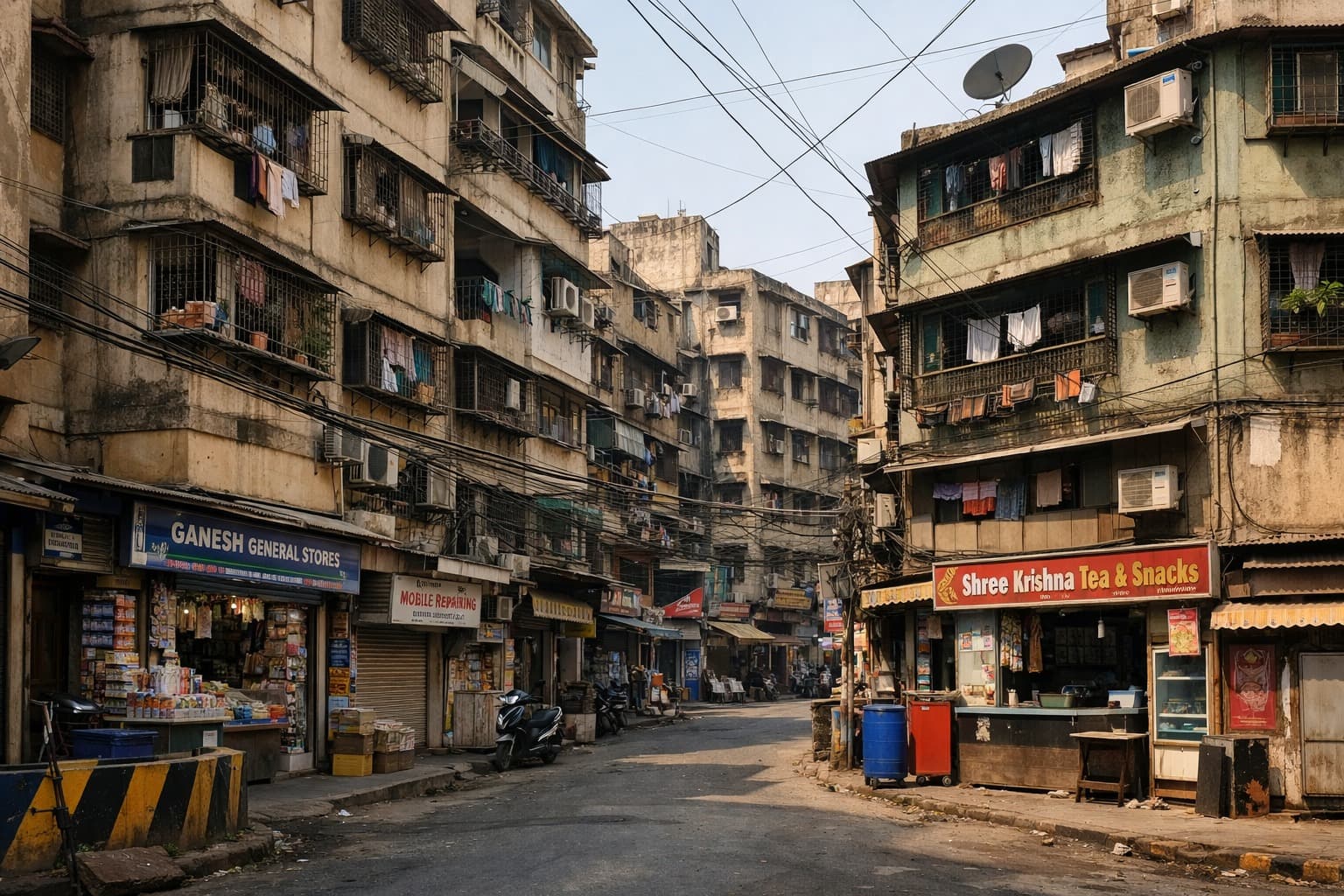
Mumbai redevelopment project activity in Andheri West is also driven by the age profile of its existing housing stock. A significant proportion of the locality's residential buildings date from the 1970s to the 1990s, many of which have reached or are approaching the end of their structural useful life. For residents of these buildings, redevelopment offers the combination of a new home with significantly more carpet area, modern amenities, and a fresh occupancy certificate without the need to relocate permanently or fund construction themselves.
Kalpataru's Track Record and What It Brings to This Project
Kalpataru Mumbai 2026 project activity reflects a developer that has been systematically expanding its redevelopment portfolio across the western suburbs over the past several years. Kalpataru's brand carries a specific promise in Mumbai's premium residential market: design quality above the mid-market average, delivery timelines that are taken seriously, and an amenity specification that targets the Rs 2 crore to Rs 5 crore buyer who wants a Bandra or Juhu lifestyle without paying Bandra or Juhu prices.
Bringing this brand positioning to an Andheri West redevelopment project is a deliberate market placement. The developer is targeting the upgrader segment that currently lives in older Andheri West buildings or rents in the locality and wants to own a genuinely premium product in a location they already know and value.
The Resident Rehabilitation Dimension
Every Mumbai society redevelopment conversation has two sides. The developer's revenue story is the one that gets reported. The residents' story is equally important and less often examined. Mumbai housing redevelopment agreements typically provide existing residents with a rent-free transit accommodation allowance during construction, a commitment to deliver a new apartment with a larger carpet area than their existing home, and a corpus fund payment for inconvenience and relocation costs.
For residents of an ageing Andheri West building who may be living in structurally compromised conditions, the Kalpataru project represents a path to a new home in a premium building on the same land they have occupied for decades. The quality of that outcome depends heavily on the specific terms negotiated in the redevelopment agreement and the developer's actual delivery performance.
Impact on Andheri West Property Prices
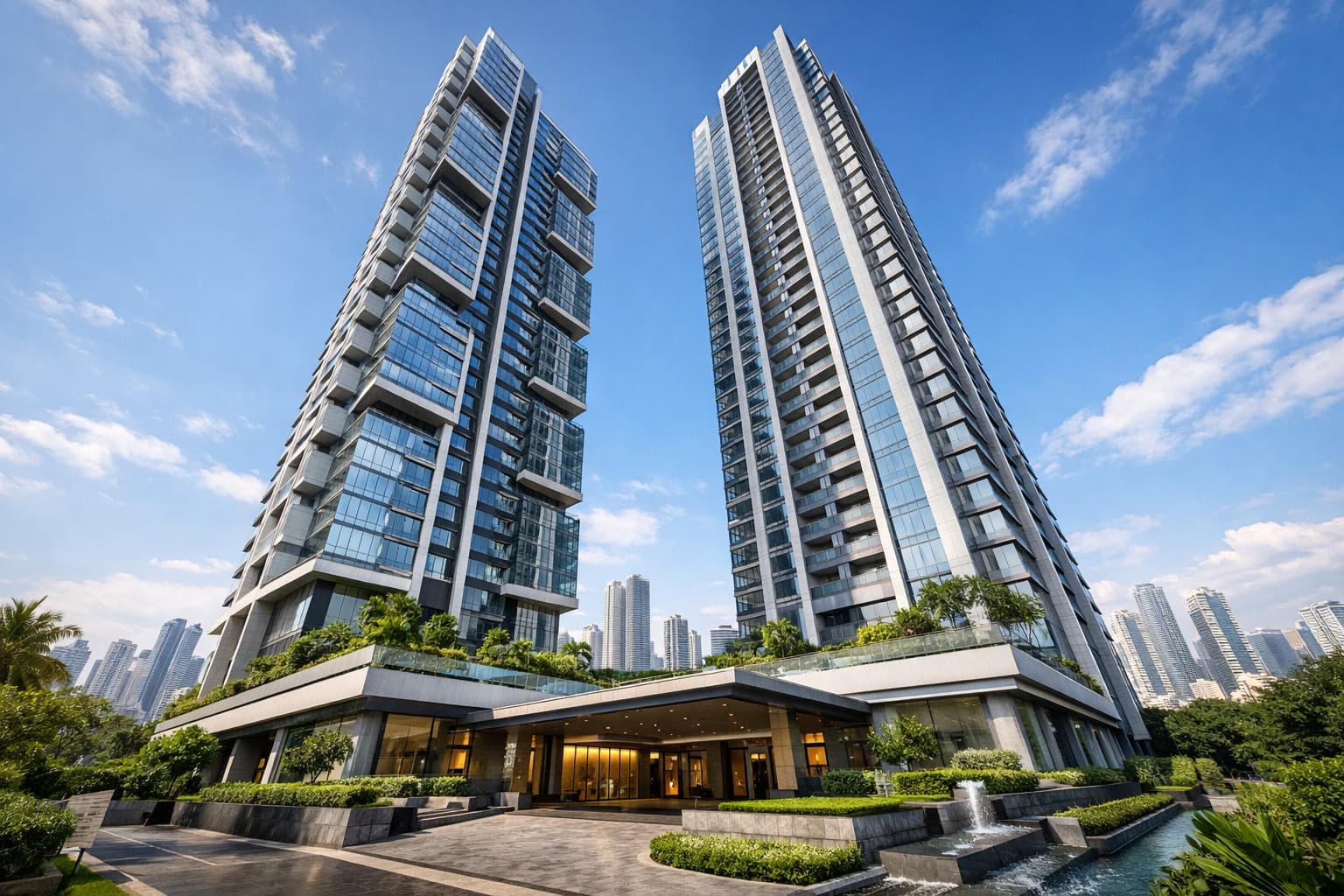
Large-scale redevelopment projects from credible developers have a consistent effect on surrounding micro-market pricing. When a Rs 1,400 crore GDV project launches sales in Andheri West, it sets a new reference point for what the locality's premium product commands. Neighbouring buildings and competing projects adjust their asking prices in response. The entire micro-market's price floor rises as the best available new supply reprices upward.
Kalpataru new project Mumbai launches of this scale also attract end-user inquiry from buyers across the city who use the developer's entry as a quality signal for the location. Buyers who may not have previously considered Andheri West as a primary residence destination recalibrate their view when a developer of Kalpataru's standing commits Rs 1,400 crore to a single project there.
What This Means for Mumbai's Redevelopment Pipeline
The broader significance of this signing extends beyond the single project. Mumbai's residential market is structurally dependent on redevelopment for new supply because greenfield land in well-connected locations no longer exists at any meaningful scale. Every large redevelopment signing from a credible developer confirms that the pipeline is healthy, that financing for these projects is accessible, and that the regulatory environment under Maharashtra's redevelopment policies is workable enough for capital allocation at this scale.
Summary
Kalpataru's Rs 1,400 crore GDV Andheri West redevelopment is a significant addition to Mumbai's premium residential pipeline that confirms the micro-market's sustained appeal for large-scale developer investment. For Andheri West real estate, it raises the quality benchmark and sets a new pricing reference for the locality's premium segment. For Mumbai's redevelopment market overall, it is another data point confirming that the economics of society redevelopment in well-connected western suburbs remain compelling enough to attract top-tier developer capital in 2026.
Video will be embedded from: https://www.youtube.com/watch?v=VOSM7JVzTZY