
Is a Top-Floor Flat Good for Indian Weather? Full Buyer Guide (2025)
Summary
Is a top-floor flat right for you in India's climate? This 2025 guide explores the pros and cons, from heat management to investment benefits, helping you make an informed decision for long-term comfort.

Introduction
For many buyers, choosing the right floor in an apartment building is an important decision, especially in a country like India where weather plays a major role in daily comfort. A common question people ask is: Is a top-floor flat good for Indian weather? Full buyer guide. With rising temperatures, changing rainfall patterns, and the growth of high-rise living, this topic has become even more relevant. This guide explains everything a homebuyer needs to know in 2025 before making the choice.
Understanding Top-Floor Living in Indian Weather
A top floor flat offers privacy, peaceful surroundings, and better views, but it also comes with some challenges. The Indian climate includes harsh summers, heavy monsoon rain, and strong humidity in many cities. These weather conditions influence electricity consumption, ventilation needs, and structural comfort. As a result, Indian weather housing requires careful evaluation before selecting the highest floor. Buyers must consider sunlight exposure, heat absorption by the roof, and long-term maintenance of the building.
Top-Floor Flat Advantages and Disadvantages
All buyers should understand the top-floor flat advantages and disadvantages before deciding. On the positive side, the top floor offers better natural light, open views, and reduced street noise. Homes on the upper floors also have fewer disturbances from neighbours above. However, the drawbacks include strong heat in summer, difficulty managing temperatures, roof leakage possibilities, and higher dependence on elevators. These factors shape the overall living experience and influence long-term comfort.
Indian Summer Impact on Top Floors
One of the biggest concerns relates to the Indian summer impact on top floors. Top floors receive direct sunlight on the roof for most of the day. As a result, the surface heats up quickly and transfers warmth indoors, especially during peak summer months. This is why apartment heat issues are commonly reported by residents. Without proper insulation, reflective coating, or ventilation planning, the uppermost floors may become difficult to live in. Buyers must evaluate building materials and the quality of construction before purchasing.

Heat, Noise & Ventilation: What to Know Before Choosing a Top Floor
When evaluating a property, homebuyers must consider heat, noise & ventilation – what to know before choosing a top floor. Heat is the primary factor, but ventilation plays an equally important role in keeping homes cool and breathable. Good cross-ventilation reduces humidity and improves airflow. Noise from rooftop machinery, generators, or water tanks can be an issue in some buildings. Therefore, buyers must check building plans, the location of services, and the height of parapet walls to ensure a peaceful living environment.
Best Floor to Buy in Apartment India
Many new buyers wonder about the best floor to buy in apartment India. There is no universal right answer, as it depends on personal preference, city climate, budget, and health conditions. For example, people living in coastal cities like Mumbai, Chennai, or Kochi may find the top floor more humid in monsoon season. Those in dry cities like Pune, Hyderabad, or Ahmedabad may find upper floors more comfortable if the building has proper heat-proofing. Buyers must choose based on comfort, convenience, and long-term feasibility.
Top-Floor Pros Cons for Homebuyers
To simplify the decision-making process, it is important to look at specific top-floor pros cons.Pros:– Better privacy and limited external noise– Access to fresh air and open views– Less dust from roads– More natural light throughout the day Cons:– Higher temperature in summer– Potential roof leakage during monsoon– High dependence on lifts– Higher maintenance of cooling systems Understanding these points helps buyers make a practical and informed choice.
Heat Resistance in High-Rise Flats
One important modern solution is heat resistance in high-rise flats. Developers today use various technologies to reduce heat transfer, such as reflective roof coatings, insulated panels, heat-resistant tiles, and cool roof systems. These materials help keep indoor temperatures manageable even on the top floor. Homebuyers should ask builders about insulation thickness, waterproofing layers, and the overall thermal efficiency of the project. A well-designed building significantly reduces apartment heat issues, making top-floor living more comfortable.
Top-Floor Flat Investment Benefits and Weather-Related Drawbacks
From an investment angle, there are clear top-floor flat investment benefits and weather-related drawbacks. Properties on the top floor often come at a premium because they offer a better living experience for many people. Investors appreciate the scenic views and the sense of exclusivity. However, the weather-related disadvantages require attention. Extra cooling expenses, possible waterproofing work, and long-term maintenance can affect overall returns. Buyers and investors must calculate these aspects before finalising the purchase.
Top-Floor Flat Buyer Guide 2025
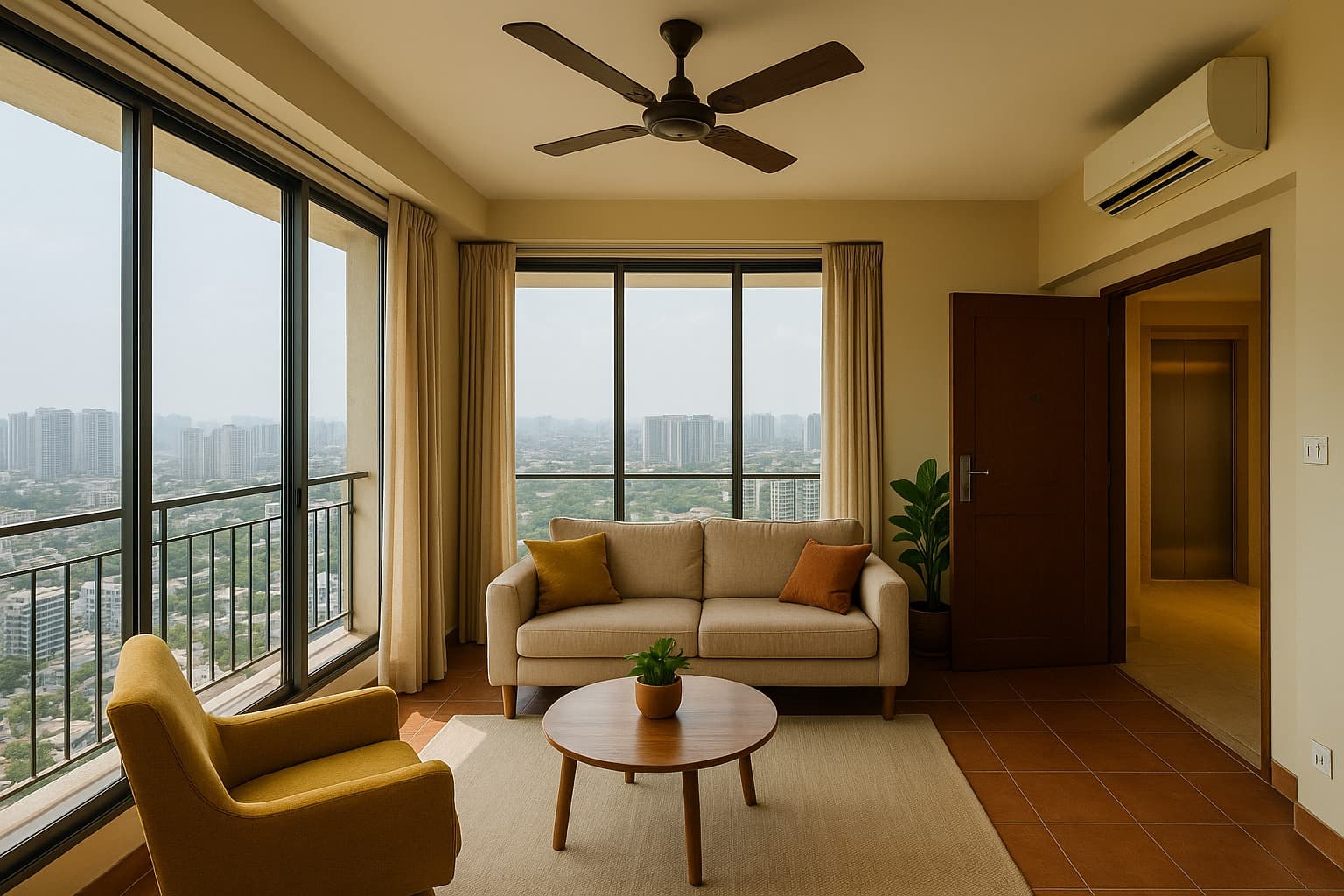
For a complete decision-making process, here is a simple top-floor flat buyer guide for 2025:– Check the thickness of the roof slab– Ensure waterproofing is done by a reputable contractor– Ask for details of insulation used– Evaluate cross-ventilation in the apartment– Check if the building has power backup for lifts– Examine the terrace for drainage systemsThis step-by-step approach will help homebuyers ensure they are making a safe and comfortable choice.
Pros and Cons of Buying a Top-Floor Apartment in Indian Climate
A complete evaluation of the pros and cons of buying a top-floor apartment in Indian climate is essential for understanding long-term comfort. Summers can be intense, monsoons may bring leakage concerns, and winters vary from region to region. However, modern construction practices have made top-floor flats more appealing than before. Buyers who prioritise peace, privacy, and open sky views often find the top floor ideal. Those sensitive to heat or dependent on elevators may choose mid-floors instead.
Indian Homebuyer Guide 2025: Which Floor Is Best for Long-Term Comfort?
In the Indian homebuyer guide 2025: which floor is best for long-term comfort?, the focus remains on maintaining a balance between lifestyle needs and climatic realities. Buyers must consider the building’s overall design, the quality of construction, and the specific environmental conditions of the region they live in. The top floor is a good choice for many, but only when proper heat management and waterproofing solutions are implemented.
Summary
Top-floor flats offer privacy, open views, and better airflow, but Indian weather demands careful evaluation before choosing them. Heat during summers, potential roof leakage in monsoon, and higher reliance on lifts are important factors. With proper insulation and ventilation, these challenges can be managed effectively. This buyer guide explains all pros and cons to help you choose wisely in 2025. Understanding climate, building quality, and individual comfort needs ensures that homebuyers select the floor that provides long-term satisfaction and convenience.
Video will be embedded from: https://www.youtube.com/watch?v=gImR02ZLNTw