
Inside Maharashtra's Move to Finally Unlock 13,000 Stuck Mumbai Buildings
Summary
Maharashtra has amended the MHADA Act, unlocking the redevelopment of over 13,000 dangerous Mumbai buildings stuck due to a legal ambiguity. This crucial fix empowers tenants and provides a legal framework to address the city's urgent housing crisis and prevent further tragedies.

Introduction
For years, thousands of crumbling buildings across south Mumbai sat in a strange kind of limbo. Everyone agreed they were dangerous. Almost nobody could legally do anything about it. That changed recently when the Maharashtra Legislature pushed through an amendment to the MHADA Act, clearing a legal roadblock that had frozen redevelopment action across the city.
Why This Law Even Needed Fixing
The trouble traces back to Section 79A, a provision meant to let authorities step in when landlords refused to redevelop unsafe, cessed buildings. The Bombay High Court had stayed its use, along with nearly 935 notices already issued by MHADA, after questioning whether the term Competent Authority was even legally defined properly. That single ambiguity paralysed enforcement citywide.
What the Amendment Actually Changes
The fix itself sounds almost too simple for the mess it caused. The vague term Competent Authority has been replaced with language that clearly authorises specific MHADA appointed officers to act under Section 79A. It removes the exact loophole the court flagged, giving redevelopment orders a solid legal footing again.
The Scale of the Problem Nobody Can Ignore
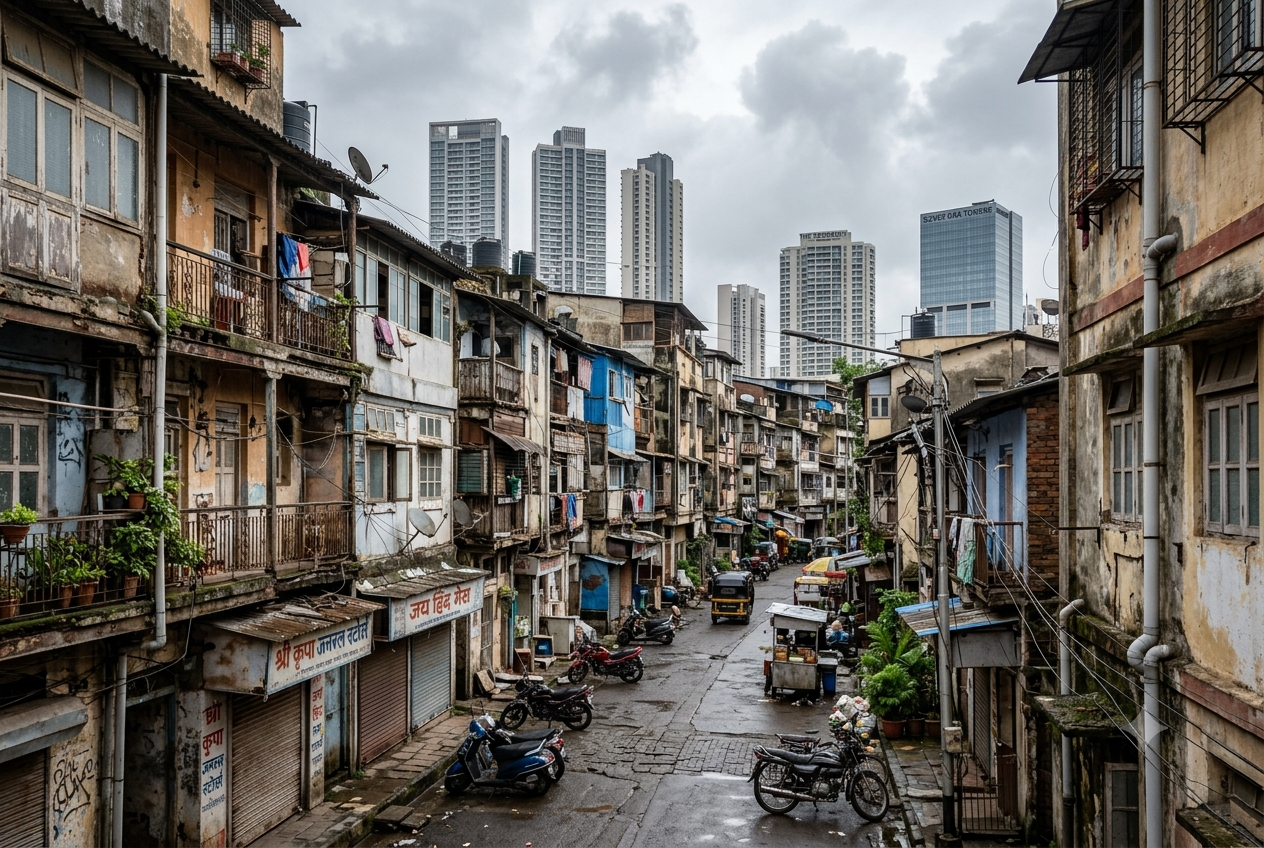
Mumbai is currently home to more than 13,000 cessed buildings, and most of them went up before 1940. That is not a typo. These structures have outlived their intended lifespan by decades, and lakhs of residents still live inside them, often paying frozen rents from an era that predates independence.
A History Written in Building Collapses
Sections 79A and 79B did not appear out of nowhere. They came in 2020, after a run of fatal collapses shook the city, including the Husaini Building tragedy in 2017 that killed 33 people, the Dongri collapse in 2019 with 14 deaths, and the Fort building collapse in 2020 that took 10 more lives. Each one exposed the same failure of enforcement.
The Numbers Are Genuinely Alarming
RTI data shows Mumbai recorded 345 full or partial building collapses between 2021 and August 2025 alone, injuring 28 people and killing eight. Zoom out further and MHADA's own records show building collapses have claimed 815 lives between 1970 and 2018. That is close to six decades of preventable tragedy tied directly to redevelopment delays.
Why Redevelopment Kept Stalling Anyway
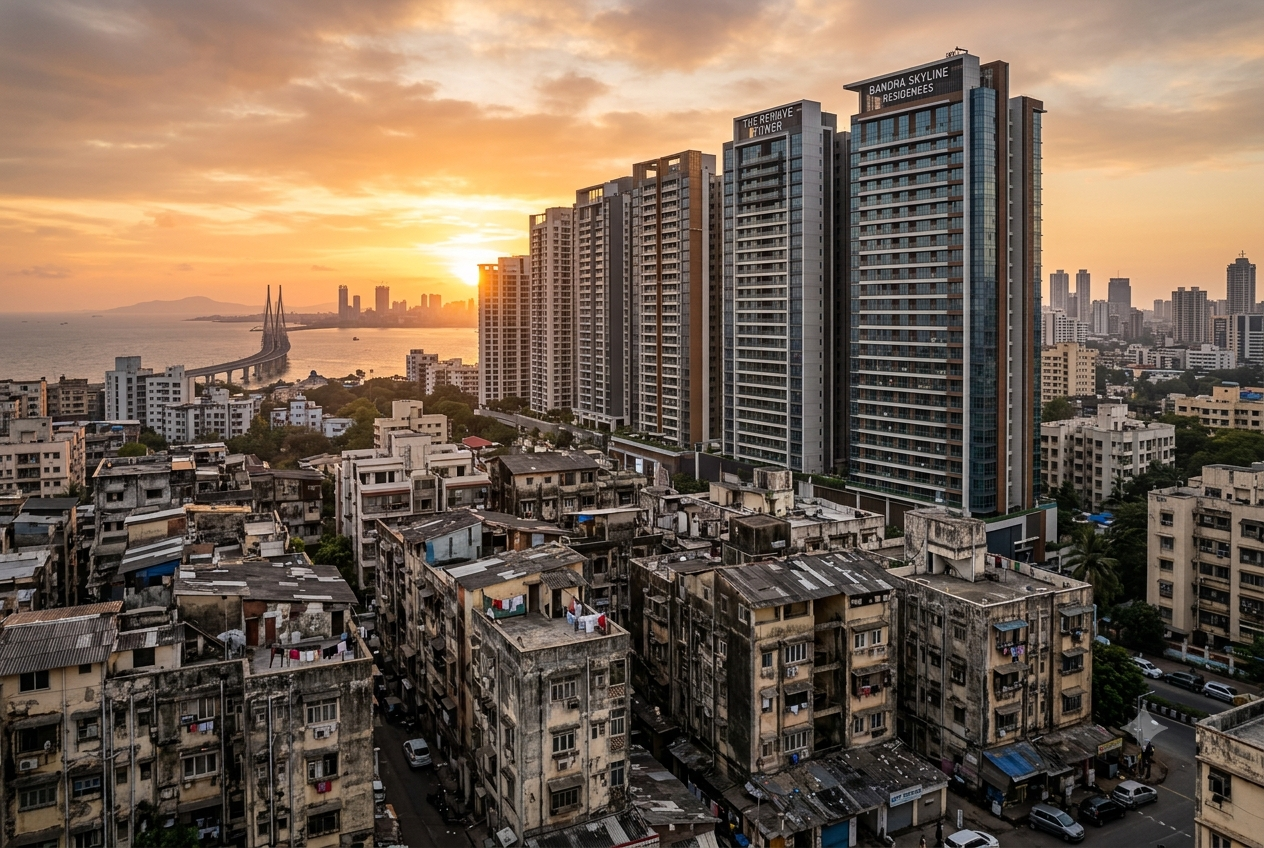
Even where the law was clear, disputes between landlords and tenants, drawn out litigation, and plain resistance from property owners kept blocking progress. Many owners simply had no financial incentive to redevelop, while tenants often could not force the issue on their own without a proper legal mechanism backing them.
What Tenants Can Now Actually Do
Under the revised framework, tenants of a building declared dangerous can initiate redevelopment themselves once they secure consent from at least 51 percent of occupants, rather than waiting endlessly on landlords who may never act. This single change hands residents real leverage they did not meaningfully have before.
What This Means Going Forward
Analysts tracking the sector expect this amendment to revive dozens of stalled redevelopment proposals across the island city almost immediately. It will not fix everything overnight. But for a housing stock this old and this dangerous, removing one major legal obstacle counts as significant progress, and buildings that have waited decades for action may finally start moving.
Summary
Maharashtra's amendment to the MHADA Act resolves a legal gap that had stalled redevelopment of Mumbai's cessed buildings for years. By clearly authorising officers under Section 79A, the state has responded to a Bombay High Court concern while addressing a housing crisis tied to real tragedy. With over 13,000 ageing structures still standing and hundreds of collapse incidents on record, this Mumbai redevelopment push could not have come at a more urgent moment for residents.