
Inflation, Interest Rates, and Real Estate: Navigating the Indian Market
Summary
Explore how inflation and interest rates influence the Indian real estate market. Learn how RBI policies, rental yields, and economic indicators impact property investments and affordability, guiding smart investment decisions.

Introduction
Real estate is deeply connected to economic conditions. Factors like inflation, interest rate changes, income stability, and policy shifts directly influence housing demand, property prices, and investment decisions. The Indian market continues to evolve, making it important for buyers and investors to understand how these indicators impact real estate. When the cost of living rises and borrowing becomes expensive, property trends shift. Knowing these links helps people plan better and make confident investment moves.
What is Inflation and How It Affects Real Estate?
Inflation means the general rise in prices of goods and services over time. As construction materials, labour, and land become costlier, property prices tend to increase as well. This explains how inflation drives real estate price appreciation. At first, rising prices can worry buyers. However, many investors prefer real estate during inflation because properties are seen as strong assets that protect wealth. Unlike money, which loses value during inflation, real estate often grows in value and provides steady returns.
Interest Rates: Cost of Borrowing and Home Buying
Interest rates decide how expensive loans become. When rates are high, home loans become costly, and buyers may delay purchase plans. This directly affects housing demand. When rates fall, more people want to buy homes because monthly EMIs reduce. This connection highlights the relationship between interest rates and property prices — higher borrowing cost lowers demand, and affordable interest often pushes sales up.
Impact of Inflation on Real Estate Investment
Understanding the impact of inflation on real estate investment helps investors make informed decisions. During inflation, landlords often benefit because rents increase, improving returns. Construction of new projects becomes expensive, limiting supply and pushing prices upward. Although buyers face higher prices, investors see real estate as a safe protection against inflation. Properties provide real, physical value and can generate income, unlike assets that lose worth quickly in unstable times.
RBI Repo Rate and Housing Market Trends
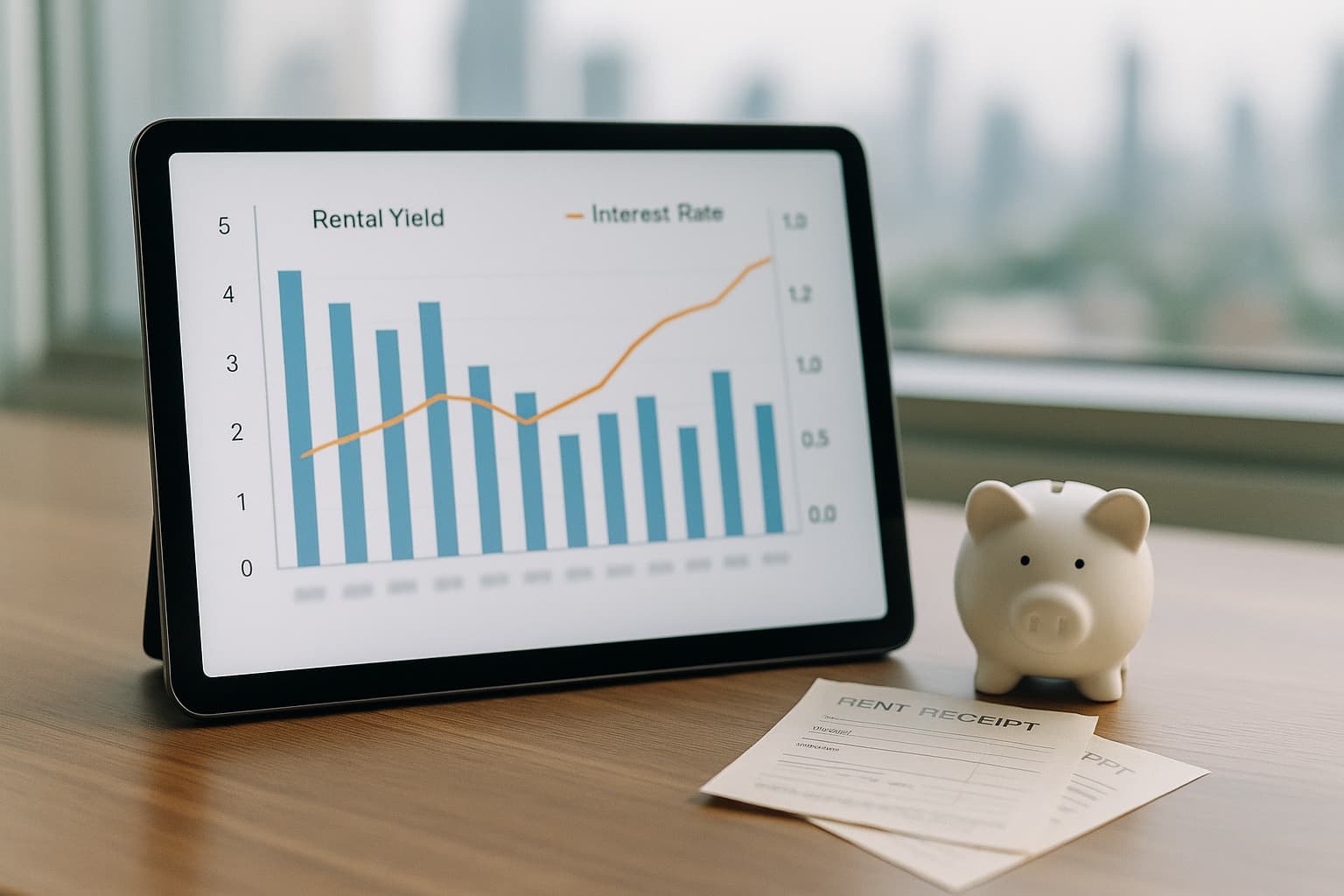
In India, the Reserve Bank of India (RBI) controls key economic movements. The RBI repo rate and housing market trends are closely linked because the repo rate decides how banks lend money. A repo rate hike means home loans become expensive, reducing the number of buyers. A cut in rates boosts demand by making loans cheaper. The relationship between RBI policy changes and property demand can be seen every time the central bank adjusts rates to control inflation or support growth.
How Inflation Affects Rental Yields and EMIs
As inflation increases, rental values also rise, improving returns for landlords. This explains how inflation affects rental yields and EMIs. Higher inflation usually pushes EMIs higher too, especially for floating-rate loans. Tenants may prefer buying over renting if both costs rise. Investors often target properties with strong rental demand so they can balance EMI burdens with steady rental income. Rental yield growth is one of the reasons many invest in real estate during inflation.
Economic Indicators Shaping Real Estate Market
Property developers and investors carefully track economic indicators shaping real estate market trends. Key factors include: Consumer purchasing power Inflation rate movements Interest rate announcements Employment growth and income levels Government support, subsidies, and tax benefits When economic growth is stable, people feel confident to invest in property. During uncertain times, buyers often pause decisions. This shows how closely real estate reacts to the health of the economy.
Why Rising Interest Rates Slow Housing Affordability
With rising interest rates, monthly loan payments become heavier. This reduces the number of people who qualify for home loans. As affordability falls, demand cools down, and developers may delay new launches. This clearly explains why rising interest rates slow housing affordability — homebuyers prefer waiting for better financial conditions. Developers then offer schemes, discounts, and flexible payments to sustain demand in the market.

Investing Smartly During Inflationary Market Cycles
Planning matters the most during unstable economic cycles. Investors should study loan terms, check rental potential, and choose areas with strong end-user demand. This forms the foundation of investing smartly during inflationary market cycles. Selecting energy-efficient homes and well-planned communities can reduce long-term utility costs. Good investments during inflation are the ones that generate returns, protect value, and stay in consistent demand despite economic changes.
How Inflation and Interest Rates Impact Real Estate Investments
Together, inflation and interest rates shape market direction. When inflation rises and interest rates also increase, buyers become cautious. But real estate remains a preferred asset because it: Protects against long-term price instability Offers rental income even during economic uncertainty Appreciates with limited supply and growing housing needs These reasons support how inflation and interest rates impact real estate investments and why investors continue to consider property as a safe and smart strategy for wealth building.
Summary
Inflation and interest rate movements strongly affect property decisions. Rising inflation pushes property prices higher, while higher borrowing cost reduces housing demand. The link between interest rate changes, RBI policies, and home loan affordability plays a key role in market trends. Investors use real estate as protection against inflation because it gives value growth and rental income. Understanding real estate finance and improving awareness about economic factors helps buyers make better decisions. Real estate remains a stable investment choice even during changing economic conditions.