
India's REIT Market: Doubling to ₹19.7 Trillion by 2030
Summary
India's REIT market is projected to double to ₹19.7 trillion by 2030, driven by growth in office, retail, and warehousing sectors. REITs offer investors access to commercial real estate with stable returns and liquidity, reflecting confidence in India's property market.

Introduction
India’s real estate industry is evolving rapidly, and Real Estate Investment Trusts (REITs) are emerging as one of its strongest growth engines. According to recent estimates, India’s REIT market is projected to nearly double to ₹19.7 trillion by 2030, driven by expanding office, retail, and warehousing sectors. This development marks a significant step in the institutionalisation of India’s commercial real estate and demonstrates how structured investment vehicles are reshaping the property landscape.
The REIT India story reflects the growing confidence of investors who seek transparency, liquidity, and stable returns in an otherwise complex property market. As more companies and individuals explore real estate investment through REITs, this market is set to play a crucial role in India’s long-term economic growth.
Understanding REITs and Their Significance in Real Estate Investment
A Real Estate Investment Trust, or REIT, is an investment structure that allows individuals to pool funds to own, manage, and operate income-generating real estate. REITs invest in assets such as office complexes, shopping malls, and warehouses, distributing most of their rental income—typically 90% or more—to investors as dividends.
REITs have transformed how people invest in real estate by offering access to large-scale commercial real estate without the burden of direct ownership. They combine the stability of property investments with the flexibility of listed securities, making them appealing to both retail and institutional investors. In India, REITs have gained popularity due to growing urbanisation, rising institutional participation, and robust regulatory reforms that ensure greater transparency and investor protection.
Current State and Structure of the REIT Market in India
At present, the total size of India’s REIT market is around ₹10.4 trillion. Over the next few years, this figure is expected to almost double, reaching approximately ₹19.7 trillion by 2030. The majority of India’s REITs currently focus on office properties concentrated in metropolitan cities such as Bengaluru, Hyderabad, Pune, and Gurugram. These cities have become global hubs for technology and services, generating a consistent demand for high-quality office infrastructure. However, the market is now evolving beyond this single asset class, moving toward a more balanced mix that also includes retail and warehousing properties.
Office Space India: The Backbone of REIT Growth

The office space India segment remains the foundation of the REIT ecosystem. India has become one of the largest office markets globally, supported by a strong services economy and multinational corporate presence. Grade-A office spaces continue to command high occupancy rates, with stable rental yields and long-term leases.
Between 2008 and 2024, leasing activity in Indian offices maintained an average annual growth rate of around 5%, while new supply expanded at just 1%. This consistent demand-supply balance has made office assets ideal for REIT inclusion. Analysts predict that by 2030, nearly 30% of India’s total office stock could be brought under REIT structures.
For investors, office REITs provide regular income, predictable cash flows, and exposure to the most stable segment of commercial real estate. Their strong performance underscores why the India REIT market growth 2030 forecast remains optimistic.
Retail Real Estate: Expanding Horizons
The retail sector is the next major growth engine for REIT India. Rising disposable incomes, urbanisation, and changing consumer habits have boosted the expansion of organised retail.
Retail properties offer potential for higher yields and long-term appreciation as consumer spending continues to rise. Developers are creating REIT-ready malls in major and Tier-II cities, supported by international and domestic brands seeking premium retail spaces. This trend highlights the increasing maturity of the property market India, where organised retail is expected to play an important role in the REIT landscape.
Retail REITs also offer a hedge against inflation, as rental escalations and sales-based revenue share models provide flexibility and resilience.
Warehousing and Logistics REITs: The Future Growth Frontier
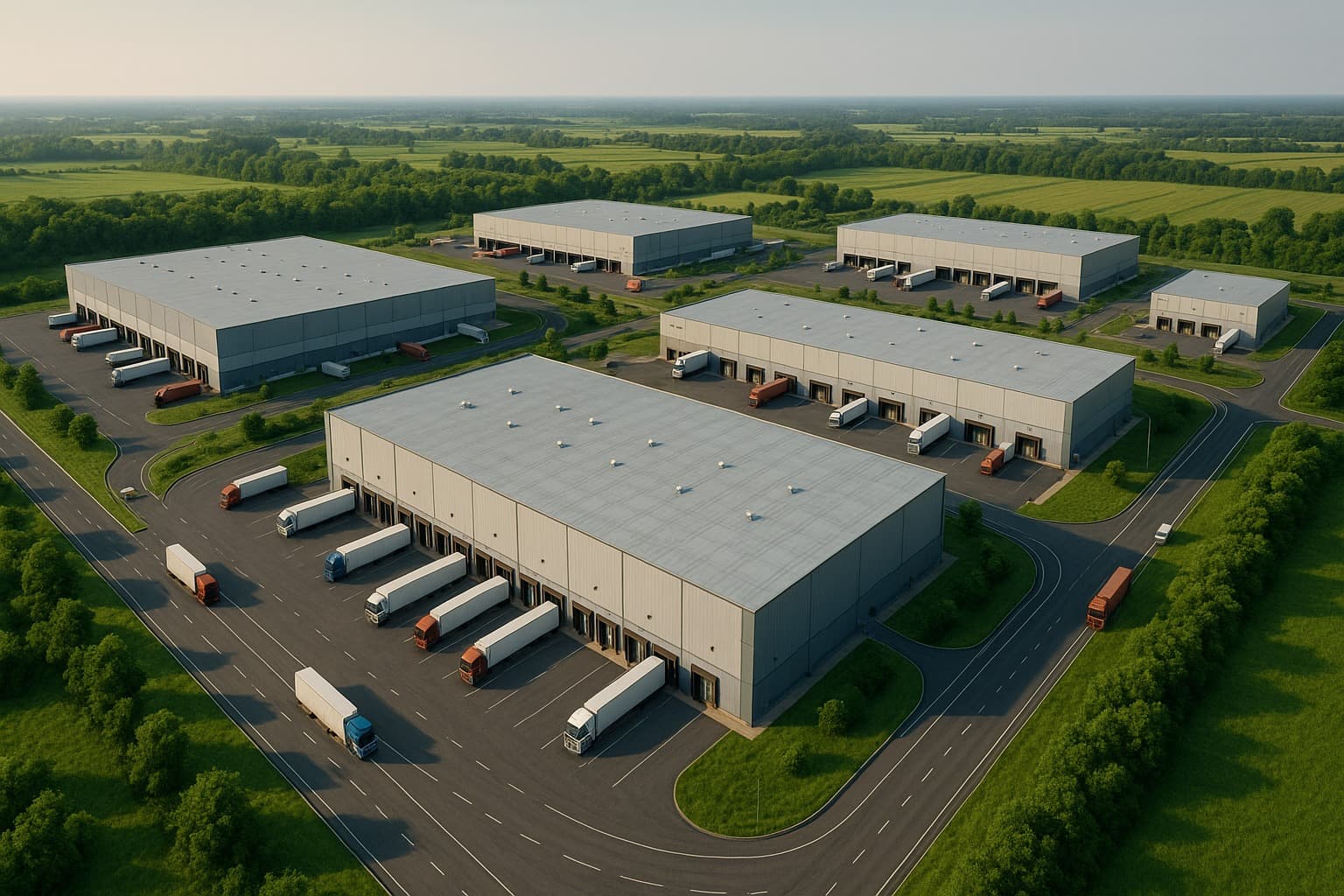
Warehousing and logistics have emerged as the newest and fastest-growing asset class in India’s REIT market. The rise of e-commerce, expansion of manufacturing, and improving infrastructure have all boosted demand for large, modern storage facilities and distribution centres.
Warehousing REITs in India are particularly appealing because they offer long-term leases, minimal tenant risk, and stable returns. These assets are often located near highways, ports, and industrial corridors, making them integral to India’s supply chain network.
As the warehousing sector becomes more organised and technology-driven, it is expected to contribute significantly to REIT investment opportunities India, creating a new growth wave within the real estate ecosystem.
Real Estate Sector Outlook 2030: Trends and Drivers
The real estate sector outlook 2030 for India is highly optimistic. The sector’s expansion is supported by several macroeconomic and policy factors, including robust GDP growth, increased foreign investment, and government initiatives such as Smart Cities, Make in India, and infrastructure modernisation.
Office assets will remain dominant, but retail and logistics will account for a growing share of REIT portfolios. Furthermore, the development of Tier-II and Tier-III cities is expected to bring new investment opportunities as demand for quality commercial spaces extends beyond traditional metros.
This diversification will strengthen the future of REITs in India’s commercial real estate market, ensuring long-term sustainability and investor confidence.
Opportunities and Challenges Ahead
The opportunities in India’s REIT market are vast. Investors can access high-quality assets, enjoy stable yields of around 6–7%, and benefit from professional management and liquidity. The sector offers diversification across different asset types—office, retail, and logistics—reducing overall portfolio risk.
However, certain challenges persist. Current REIT penetration in India remains modest compared to global standards. For the market to reach its full potential, more assets must be made REIT-ready, and investor awareness must continue to improve.
Nevertheless, India’s REIT framework has proven resilient. The success of existing listed REITs, growing participation from institutional investors, and strong leasing demand are all positive indicators. These trends confirm that the REIT investment trends in office, retail, and warehousing sectors will continue to accelerate over the coming years.
How Investors Can Participate in the REIT Market
For investors, participating in REITs is simple and transparent. REIT units are traded on stock exchanges, allowing individuals to buy and sell them easily. Investors should evaluate each REIT’s portfolio, occupancy levels, tenant mix, and geographic exposure before investing.
REITs offer both dividend income and potential capital appreciation, making them suitable for long-term portfolios. With the REIT market in India doubling by 2030, early investors can benefit from value appreciation as the market deepens and diversifies.
As India’s economy continues to expand and commercial property demand grows, REITs will remain a vital channel for both domestic and global investors to participate in the country’s real estate growth story.
Summary
India’s REIT market is set to nearly double to ₹19.7 trillion by 2030, led by strong growth across office, retail, and warehousing sectors. For investors, REIT India offers an efficient and transparent way to access high-quality commercial real estate assets with stable returns and liquidity. The maturing property market India reflects increasing institutionalisation and confidence in structured real estate investment. Supported by robust economic fundamentals and expanding demand, the future of REITs in India’s commercial real estate market looks promising and full of opportunity.