
India's Flex Office Market: Poised for Explosive Growth to 100 Million Sq Ft by 2027
Summary
India's flex office market is projected to exceed 100 million sq ft by 2027, fueled by enterprise demand, GCC expansion, and hybrid work models. This growth is reshaping India's commercial real estate landscape and expanding beyond Tier 1 cities.

Introduction
India’s commercial real estate landscape is undergoing a structural shift driven by changing workplace expectations and evolving business needs. A new report by Colliers reveals that the country’s flexible office space market is on track to cross 100 million sq ft by 2027, fuelled by strong demand from enterprises, startups, and Global Capability Centres (GCCs). This India’s flex office market poised to cross 100 million sq ft by 2027 analysis highlights the major trends shaping the sector, why demand is rising, and how flexible workspaces are redefining India’s office market.
What Is Flex Office Space?
Flexible office spaces include coworking centres, shared offices, managed workspaces, and hybrid setup solutions designed to offer scalable, ready-to-use environments. These spaces allow companies to optimise cost, improve mobility, and adjust quickly to changing work patterns. The rise of flexible office space in India has been significant over the last five years, especially as organisations move away from conventional long-term leases.
Key Findings of the Colliers Report
According to the report, India’s flex stock already stands at over 60 million sq ft and is projected to grow rapidly. By 2027, it is likely to exceed 100 million sq ft, marking one of the fastest expansions among global flex markets. The Colliers flex space report attributes this rise to enterprise occupiers forming the largest share of demand, followed closely by GCCs and fast-growing technology companies. Tier 1 cities remain the core markets, while Tier 2 cities are gaining attention due to strong workforce availability.
Why Enterprises Are Driving Demand
Large corporate enterprises now account for more than half of the total flex office absorption. Companies are increasingly choosing flexible workspaces to experiment with hub-and-spoke models, satellite offices, and dynamic workforce needs. The enterprise demand for coworking India trend reflects the desire for agility, reduced capital expenditure, and the ability to scale operations without long lease commitments. This shift is particularly strong in sectors such as IT, fintech, consulting, and e-commerce.
Growth of GCCs and Its Impact
Global Capability Centres continue to expand across India, strengthening demand for high-quality office environments. GCCs prefer managed workspaces because they offer custom-built solutions without the burden of facility management. The growth of GCCs and flex offices highlights how companies use flexible setups to enter new cities, test markets, and optimise workforce deployment. Cities like Bengaluru, Hyderabad, Pune, and Chennai remain strong bases for GCC expansion.
Rise of Hybrid Work Models
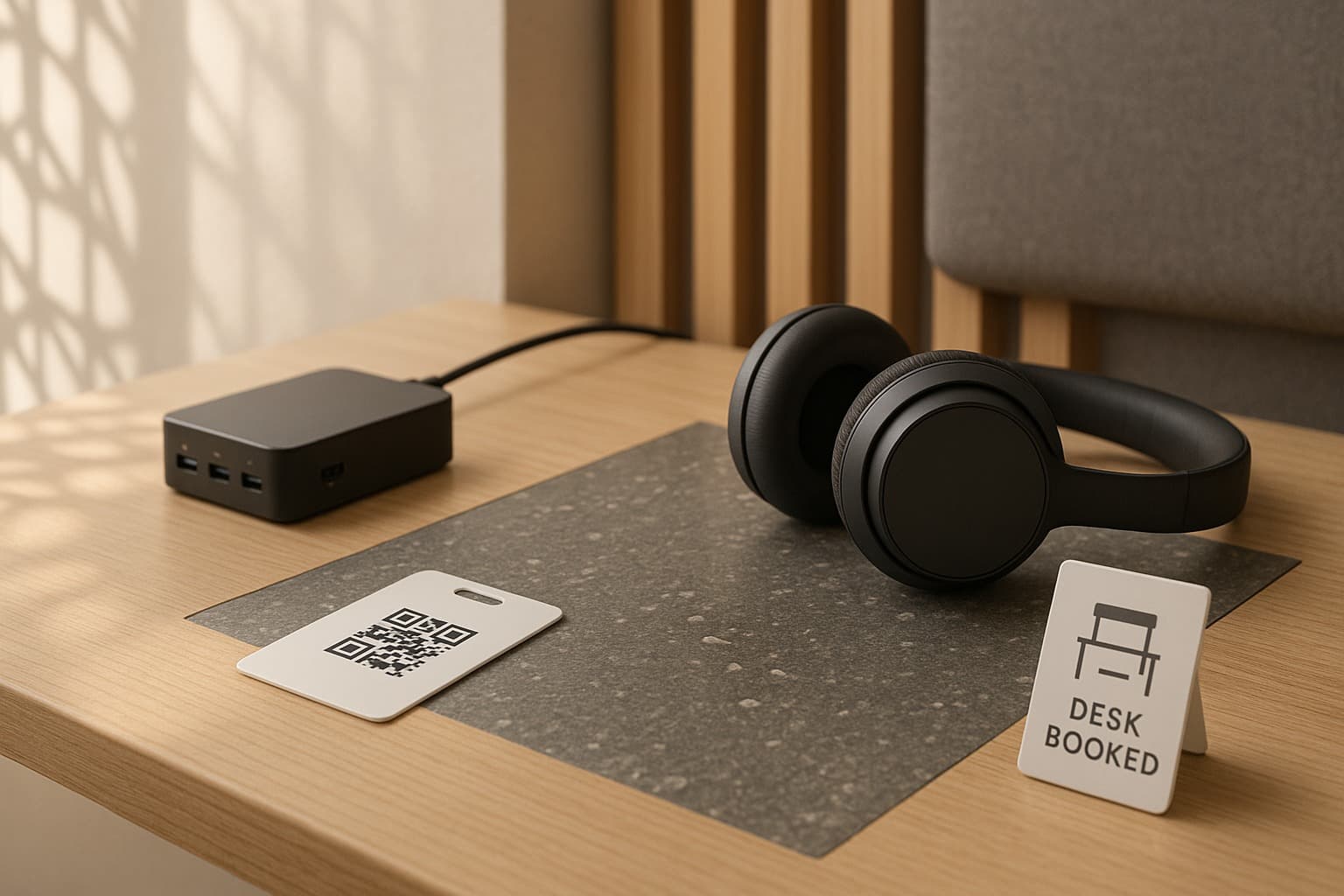
Hybrid work has reshaped global office trends, and India is no exception. Companies now want a mix of central offices, satellite hubs, and work-from-anywhere flexibility. This shift has strengthened the future of flexible workspaces India, as organisations require professionally managed spaces that support collaborative workdays while keeping fixed costs low. The hybrid model encourages companies to adopt flex spaces for team meetings, project-specific operations, and distributed workforce management.
Tier 2 Cities Enter the Flex Space Map
While major metros continue to dominate, several Tier 2 cities are emerging as promising destinations for flexible office expansion. Cities such as Jaipur, Ahmedabad, Kochi, Indore, Chandigarh, and Coimbatore are witnessing rising demand from startups, education institutions, IT companies, and remote workers. This supports the complete analysis of how flexible workspaces are reshaping India’s commercial office sector, where growth is no longer limited to large metros. Improved infrastructure and access to skilled talent strengthen this shift.
Why Flex Spaces Appeal to Startups and SMEs
Startups and small businesses have always been strong adopters of coworking spaces due to lower upfront investment and easy scalability. They also benefit from shared amenities, networking opportunities, and shorter lock-in periods. The flexible workspace growth trend shows that even SME manufacturers, logistics companies, and D2C brands now use flex spaces for administrative and customer-facing functions.
Developer Participation and Market Evolution
Developers and institutional investors increasingly see flexible workspace operators as long-term partners. Grade-A commercial buildings now dedicate entire floors or towers to flex office providers. The India office market is evolving as landlords collaborate with operators to build sustainable, long-term workspace ecosystems. Better design standards, improved facility management, and technology inputs have made flex spaces more competitive than traditional leases.
Technology and Innovation in Flex Offices
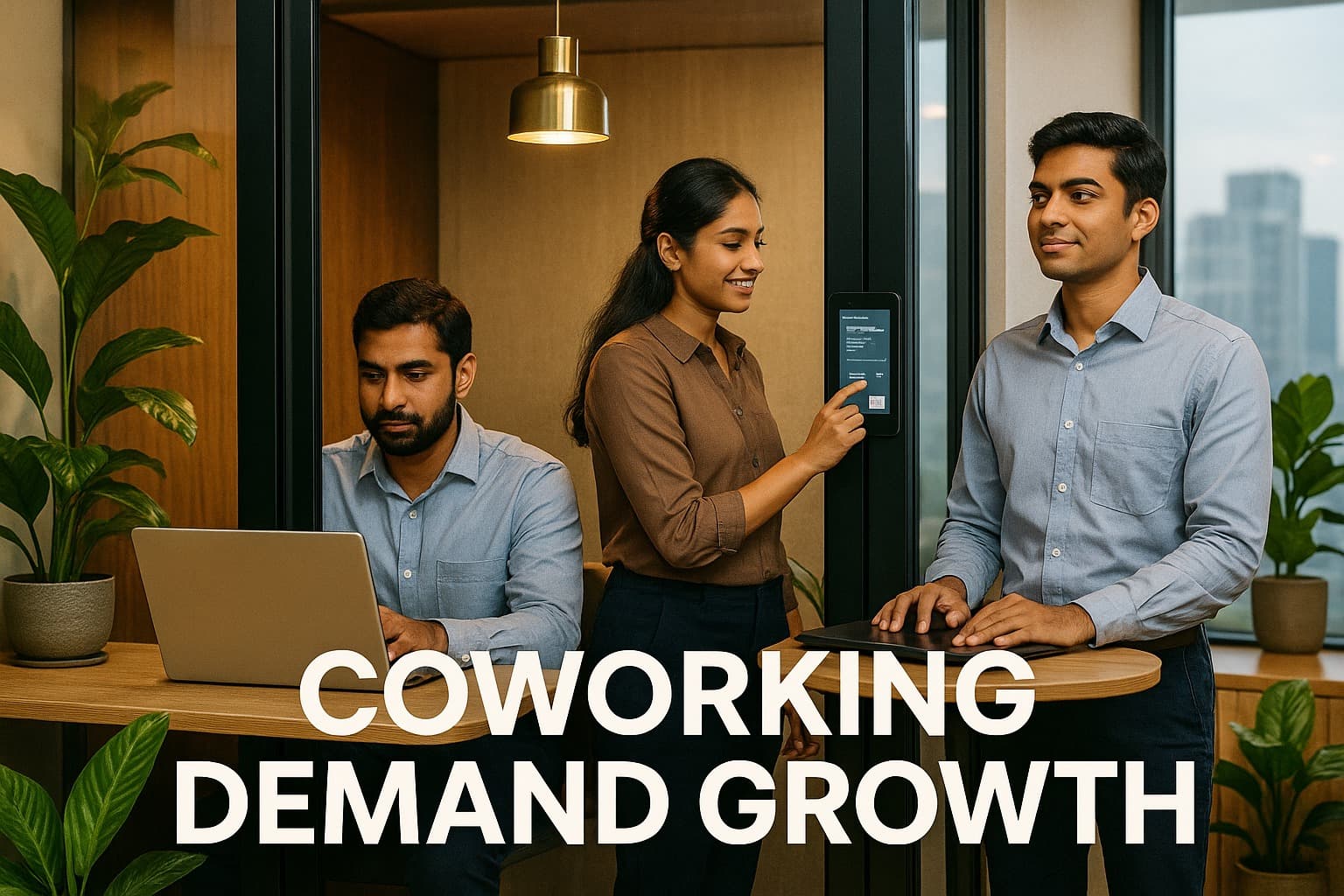
Modern workspace operators are integrating advanced technologies such as automated entry systems, workspace analytics, hybrid meeting tools, and energy-efficient solutions. These innovations help optimise occupancy, improve employee experience, and reduce operational costs. The step-by-step understanding of demand drivers behind India’s flexible workspace growth shows that technology adoption is one of the core reasons for increasing demand among enterprises.
Challenges and Considerations
While growth remains strong, operators also face challenges such as competition, occupancy pressures, and maintaining premium service quality. Some industries still prefer traditional leased offices for long-term stability. However, the overall momentum favours flexible workspaces as companies continue rethinking workplace strategy.
Future Outlook for India’s Flex Market
With strong enterprise adoption, rising GCC expansion, tier-based diversification, and supportive developer partnerships, India’s flex market is set for sustained growth. The what the Colliers report reveals about the future expansion of India’s coworking and flex space segment indicates that by 2027, flexible workspaces will become an integral part of India’s mainstream office ecosystem. The sector is likely to witness enhanced design innovation, technology integration, and increased investment activity.
Summary
Colliers predicts that India’s flex office market will exceed 100 million sq ft by 2027, driven mainly by enterprise occupiers, GCCs, and hybrid work models. Understanding how India’s flex office market is expected to cross 100 million sq ft by 2027 highlights the sector’s rapid transformation and its growing role in the country’s commercial real estate landscape. With strong demand in Tier 1 and rising traction in Tier 2 cities, flexible workspaces are set to become a core part of India’s future office ecosystem.
Video will be embedded from: https://www.youtube.com/watch?v=pnKKWvn4dyk