
India’s Retail Real Estate Boom: Decoding the $5 Billion Investment Surge
Summary
India's retail real estate is booming, attracting $5B in investments. Driven by consumption growth, urbanization, and demand for experience-driven retail, this surge reflects long-term confidence in the Indian market.

Introduction
India’s retail real estate sector is witnessing renewed investor interest in 2025. Large domestic and global investors are committing billions of dollars to shopping centres, high-street retail, and mixed-use developments. This surge is not accidental or speculative. It is driven by structural shifts in consumption, urbanisation, and the way Indians shop and spend. Understanding why such significant capital is entering retail real estate helps explain where the sector is headed and what it means for cities, developers, and investors.
Retail Real Estate Explained Simply
Retail real estate includes physical spaces where consumer-facing businesses operate. This covers shopping malls, high-street retail, lifestyle centres, and retail zones within mixed-use developments. Unlike residential real estate, retail assets generate income through long-term leases with brands. Their value depends on footfall, spending patterns, and location strength rather than just land appreciation.
Why Investors Are Looking at Retail Again
For several years, retail real estate faced uncertainty due to changing consumer behaviour and digital commerce. In recent times, the sector has shown strong recovery. Footfall has returned, leasing activity has improved, and vacancy levels have stabilised. Investors now see retail assets as income-generating platforms rather than risky discretionary investments.
India’s Consumption Growth Story
One of the biggest reasons behind rising investment is India’s consumption-led growth. A growing middle class, rising disposable incomes, and urban lifestyle changes are increasing spending on food, fashion, entertainment, and personal services. Physical retail benefits directly from this trend. Investors are backing assets that capture everyday consumption rather than luxury-only demand.
Experience-Driven Retail Is Changing the Game
Modern retail spaces are no longer just shopping destinations. They offer dining, entertainment, social interaction, and community engagement. This experience-driven format cannot be fully replaced by online shopping. Cinemas, restaurants, fitness centres, and family entertainment zones anchor footfall. Investors favour retail assets that offer experiences rather than only transactional shopping.
Strong Performance of Organised Retail
India’s organised retail penetration is still relatively low compared to global standards. This means there is significant room for growth. Large retailers prefer structured, compliant spaces with professional management. Retail real estate developments that meet these expectations attract stable tenants and predictable cash flows, making them attractive to long-term investors.
Role of Urbanisation and Infrastructure
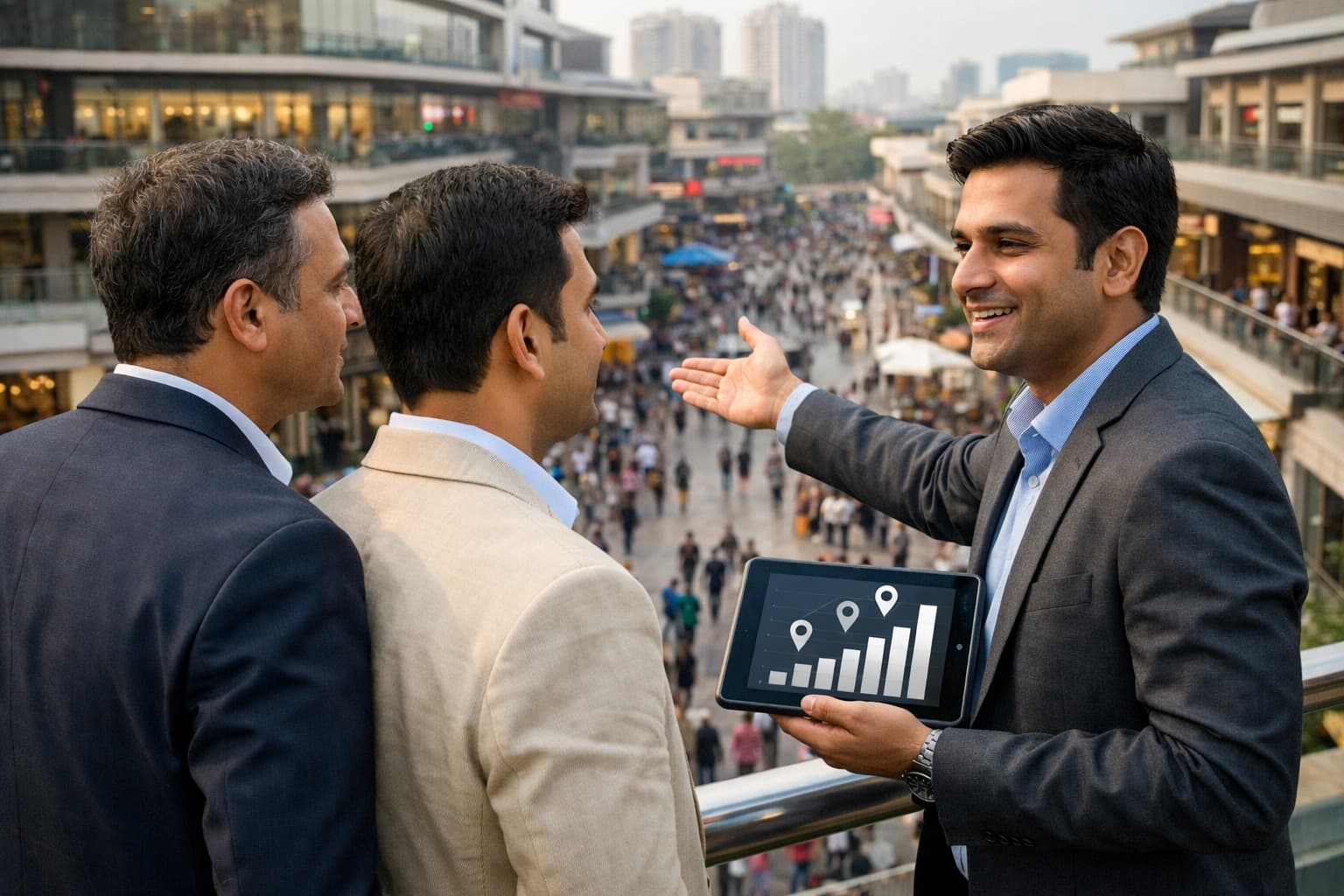
Urban expansion and infrastructure development support retail growth. Metro connectivity, new business districts, and residential clusters create demand for nearby retail hubs. As cities expand outward, organised retail follows population movement. Investors see this alignment between urban growth and retail demand as a long-term opportunity.
High-Street Retail Gains Renewed Attention
Alongside malls, high-street retail is also attracting investment. Well-located streets with strong visibility and mixed commercial activity generate consistent footfall. Investors value high-street assets in dense urban pockets where daily consumption is reliable. This diversification within retail real estate strengthens the sector’s appeal.
Retail as a Stable Income Asset
Retail real estate offers relatively stable rental income compared to cyclical asset classes. Long-term leases, revenue-sharing models, and strong tenant brands improve income visibility. For investors seeking yield rather than speculative appreciation, retail assets provide predictable returns when managed well.
Entry of Institutional and Global Capital
The growing presence of institutional investors reflects confidence in governance and scalability. Global funds prefer assets with professional management, transparent leasing, and compliance standards. India’s retail sector has matured to meet these expectations, encouraging larger capital inflows rather than fragmented investments.
Impact of Mixed-Use Developments
Retail spaces integrated into mixed-use developments benefit from built-in demand. Office workers, residents, and visitors create continuous footfall. Investors prefer such projects because they reduce dependency on external traffic. Mixed-use formats also align with modern urban planning principles.
Developer Strategy and Asset Quality
Developers have adapted to investor expectations by focusing on asset quality rather than rapid expansion. Better design, tenant mix planning, and long-term maintenance improve asset performance. Higher-quality retail assets attract both tenants and investors, reinforcing the investment cycle.
Why This Is Not a Short-Term Trend
The current retail real estate boom is supported by fundamentals rather than temporary factors. Consumption growth, urbanisation, and experience-led retail are long-term trends. Investment inflows reflect strategic positioning rather than opportunistic entry. This reduces the risk of sudden reversals.
What This Means for Cities and Consumers
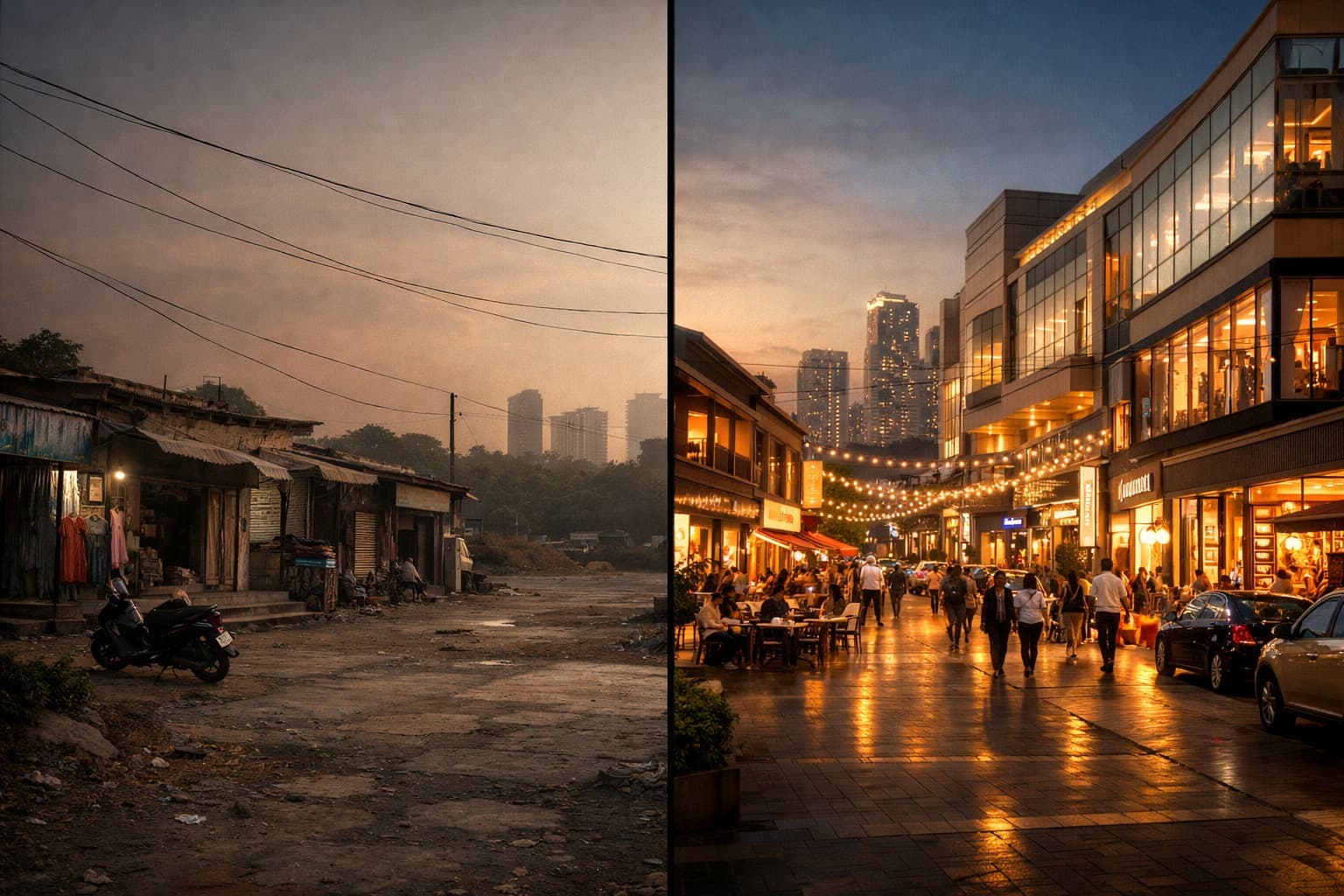
Increased investment improves retail infrastructure quality. Consumers benefit from better-designed spaces, wider brand choices, and improved services. Cities gain organised commercial zones that support employment and local economies. Retail real estate plays a visible role in shaping urban lifestyles.
Implications for Real Estate Investors
For investors, retail real estate offers a balance between income stability and long-term growth. However, success depends on location, tenant quality, and asset management. Not all retail assets perform equally. Disciplined selection is essential.
Risks Investors Still Evaluate
Despite strong interest, investors remain cautious. Changing consumer preferences, oversupply in certain pockets, and economic cycles are considered carefully. Retail assets must demonstrate adaptability and resilience to attract long-term capital.
Long-Term Outlook for Retail Real Estate
India’s retail real estate sector is entering a more mature phase. Investment is becoming selective, focused on quality and scalability. Over time, this improves sector stability and reduces volatility. The inflow of capital reflects confidence in sustainable growth rather than speculative optimism.
Final Perspective
The nearly five-billion-dollar investment interest in India’s retail real estate is a vote of confidence in the country’s consumption economy. Retail spaces that combine experience, accessibility, and professional management are emerging as preferred investment assets. This boom reflects changing lifestyles, stronger governance, and long-term urban growth rather than short-term market excitement.
Summary
India’s retail real estate sector is attracting close to $5 billion in investment due to rising consumption, experience-led retail formats, urban expansion, and improving asset quality. Organised retail growth, stable rental income, and institutional participation are key drivers. Rather than a temporary rebound, this investment surge reflects long-term confidence in India’s consumption-driven economy. Retail real estate is increasingly viewed as a stable, income-generating asset aligned with evolving urban lifestyles.
Video will be embedded from: https://www.youtube.com/watch?v=3kK55DHV0QQ