
HRA Rules Change From April 1, 2026: Renting From Your Father - What You Need To Know
Summary
New HRA rules from April 1, 2026, require employees renting from parents to disclose the relationship on Form 124. Substantiate claims with rent agreements, digital payments, and ensure the parent reports rental income to avoid penalties.

Introduction
Millions of salaried Indians have long used a perfectly legal tax planning arrangement: pay rent to a parent, claim House Rent Allowance exemption, and reduce taxable income meaningfully. The Income Tax department has never prohibited this. But from April 1, 2026, the rules around how you prove and declare this arrangement have changed in ways that every employee needs to understand before filing their return for FY 2025-26. The core change is one word: disclosure. And the paperwork behind it has become considerably more demanding.
What Changed and What Did Not
Let us be clear about this first. HRA claim rent paid to father is still completely legal. The government has not shut this down or restricted it. What has changed is the compliance framework around it. Casual declarations and loose documentation that may have sailed through employer verification in the past will no longer be sufficient. The new rules demand specificity, proof and coordination between the employee and the parent-landlord.
Form 124 Replaces Form 12BB
The most structural change is the replacement of Form 12BB with a new Form 124 income tax document. The old Form 12BB required employees to declare rent paid, the landlord's name and address, and the landlord's PAN if annual rent exceeded Rs 1 lakh. It was a relatively short declaration.
Form 124 asks for all of that plus one additional field that changes everything for family-based rent arrangements: the nature of your relationship with the landlord. If your landlord is your father, you must now say so explicitly, in writing, every year. This is the income tax HRA disclosure 2026 that has triggered widespread discussion among salaried taxpayers.
Why This Particular Change Matters
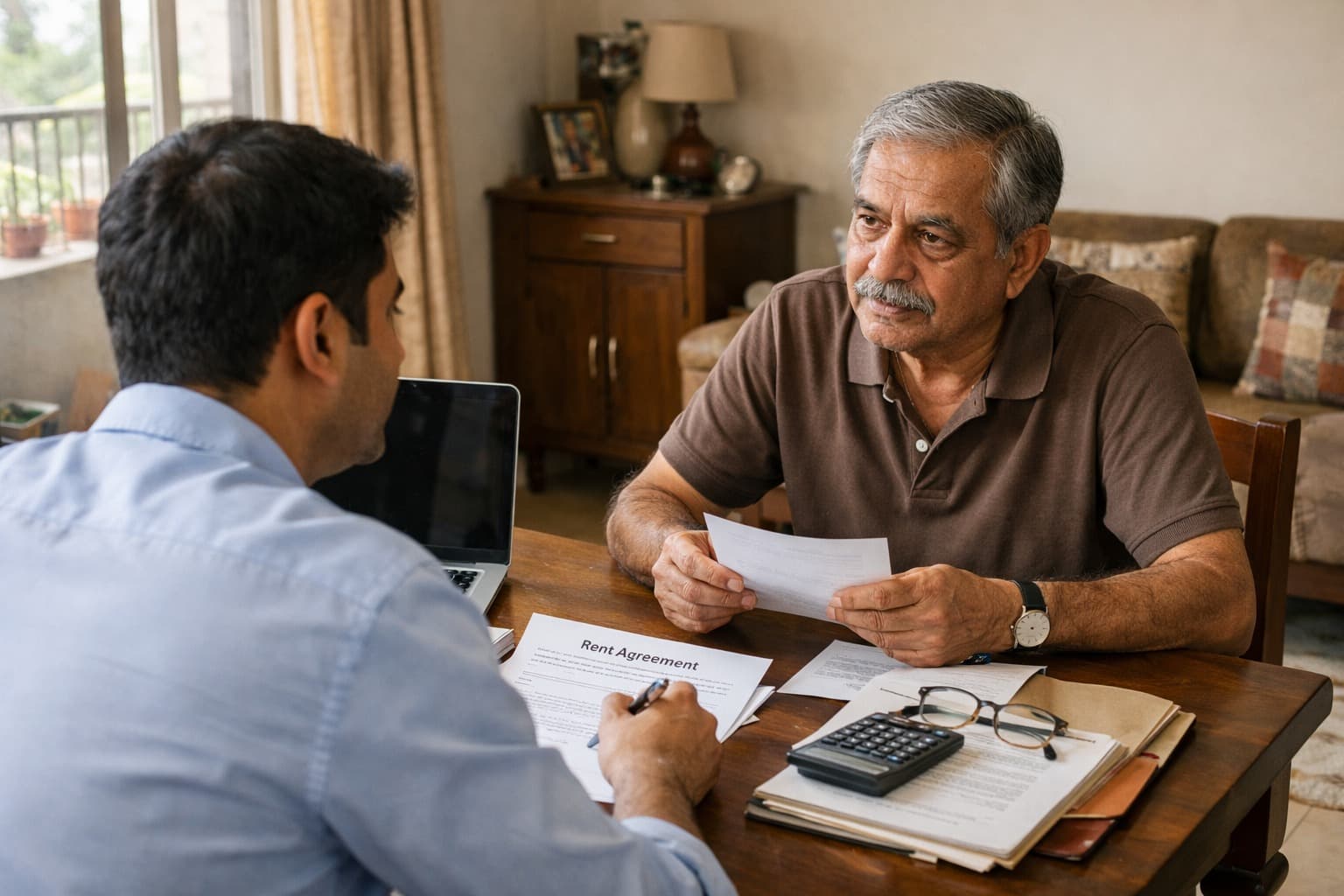
Disclosing that your landlord is a close relative flags the transaction for closer scrutiny. The Income Tax department has historically found that a significant portion of family-based HRA claims involve no actual money changing hands. The tenant claims the exemption. The parent never reports the income. Neither party maintains documentation. The new mandatory relationship disclosure makes this pattern considerably harder to sustain without detection.
For those running genuine arrangements, this is paperwork. For those running fictitious ones, this is a reckoning.
What Your Documentation Must Now Include
Under the new HRA rules from April 1 2026, the evidence trail you maintain needs to cover four things without gaps. First, a formal rent agreement signed between you and your father, specifying the monthly amount, the duration, and the property address. Second, monthly rent receipts bearing your father's signature. Third, bank transfer records for every single payment. Cash payments are not prohibited, but they create a documentation gap that assessors will notice. And fourth, your father's PAN details, provided correctly in your Form 124.
That last point connects to the second half of this arrangement. Your father must report the rent he receives from you as income from house property in his own income tax return. If your return shows you paying Rs 15,000 per month in rent and your father's return shows no such income, the mismatch is now far easier for the department to catch given improved data linkages.
The Numbers: Why This Is Worth Getting Right
HRA rules 2026 matter because the financial stakes are real. HRA exemption is calculated as the lowest of three figures: actual HRA received from your employer, actual rent paid minus 10 percent of basic salary, and 50 percent of basic salary for metro cities or 40 percent for non-metro cities. For a salaried employee in Mumbai or Delhi with a basic salary of Rs 60,000 per month, even a partial HRA exemption can reduce taxable income by Rs 1.5 to Rs 2.5 lakh annually.
Get the claim wrong, and you face two consequences. The exemption is disallowed, pushing that income back into your taxable bracket. And if the department treats it as deliberate misrepresentation, a penalty between 50 and 200 percent of the tax on the under-reported income can follow.
Common Mistakes That Will Now Cost You
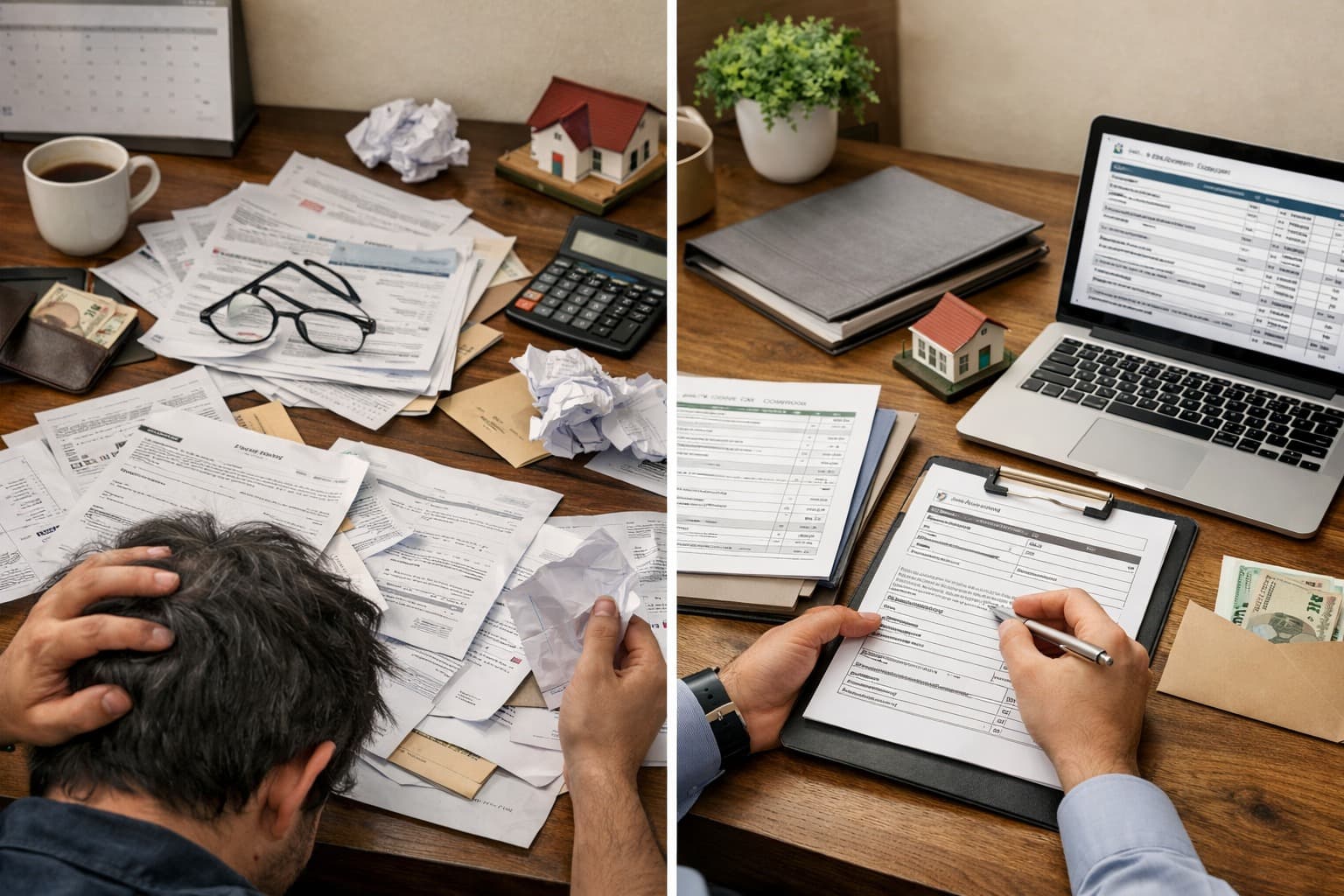
The HRA rejection reasons India list has grown longer with this rule change. Paying rent in cash with no digital trail. Failing to mention that your landlord is your father in Form 124. Maintaining a rent agreement but not actually transferring money. Your father not filing his return or not including rental income in it. Using a PAN that belongs to a different family member. Any one of these can sink an otherwise legitimate claim.
The new rules essentially require that both sides of the family rental arrangement behave like a formal landlord-tenant relationship on paper, in bank records, and in their respective tax filings simultaneously.
A Simple Action Plan Before April 2026 Closes
If you are paying rent to your father and claiming HRA, do three things now. Sign a fresh rent agreement dated April 2026 or verify your existing one is current. Set up a standing instruction for monthly bank transfers if you have not already. Call your father and confirm he understands that this rental income must appear in his return for FY 2025-26. These three steps, taken together, make your claim defensible under the new framework.
Summary
From April 1, 2026, the HRA rules change April 2026 requires employees claiming House Rent Allowance for rent paid to a parent to mandatorily disclose their relationship with the landlord in the new Form 124, which replaces the earlier Form 12BB. The HRA claim rent paid to father remains legal but now demands a proper rent agreement, digital payment proof, monthly rent receipts, correct landlord PAN, and the father's declaration of rental income in his own tax return. Missing any of these under the new income tax HRA disclosure 2026 can lead to claim rejection and penalties ranging from 50 to 200 percent of the tax on under-reported income.
Video will be embedded from: https://www.youtube.com/watch?v=AzP8cA_s0M0