
How to Inspect Property Construction Quality Before Buying
Summary
Learn how to inspect property construction quality before buying to avoid costly repairs and ensure a safe, durable home. This guide covers visual checks, structural strength, materials, and when to seek expert help.

Introduction
Buying a home is a major financial decision, and every buyer wants a house that is safe, durable, and built with care. However, construction quality varies widely across projects. Poor construction can lead to leakage, cracks, structural issues, and expensive repairs later. Understanding how to inspect property construction quality before buying is essential for protecting both your investment and your peace of mind. This guide explains simple and effective ways to check construction standards without needing technical expertise.
Why Construction Quality Matters
The strength and safety of a home depend on the quality of its construction. Good construction ensures long-term durability, lower maintenance costs, and better living comfort. When buyers understand construction quality indicators for homebuyers, they can make informed decisions and avoid properties that may create problems in the future. A strong structure also increases resale value and ensures the property remains safe during natural events like heavy rains or minor tremors.
Initial Visual Checks Every Buyer Should Do
A basic visual inspection can reveal a lot. Look for cracks on walls, uneven flooring, water stains, and dampness. These signs indicate either poor construction or issues in waterproofing. Ways to check construction quality of a new home include checking whether the building looks symmetrical, whether walls feel solid when tapped, and whether windows and doors open smoothly. A well-built structure usually shows neat finishing and precise alignment.
Checking Structural Strength
Structural strength determines how well a building can handle load and stress. Though buyers cannot see the internal frame, they can still use a checklist for inspecting property construction. Ask the builder about:• Type of foundation used• Grade of concrete and steel• Earthquake resistance measures• Quality checks done by engineers
Good developers maintain records and share technical details willingly. Avoid projects where builders are unable or unwilling to explain structural specifications.
Inspecting Wall and Plaster Quality
Walls should feel firm and uniform. Excess hollow sound, flaking plaster, or visible gaps indicate low-quality materials. Properly plastered walls prevent moisture from entering. Buyers must know what to look for when checking construction quality in apartments, such as smooth finishing, correct leveling, and absence of cracks. Also check corners, joints, and ceilings, as these areas reveal workmanship quality more clearly.
Plumbing and Bathroom Quality
Bathrooms and kitchens face maximum water usage. Faulty plumbing can lead to leakage and dampness, which later affect the entire home. Ways in which home buyers can determine the construction quality of a project include checking water pressure, drainage speed, and proper sealing around sanitary fittings. Look for stains, loose tiles, or poor grouting. Ensure that pipelines are concealed properly and not leaking at joints.
Electrical Work and Safety
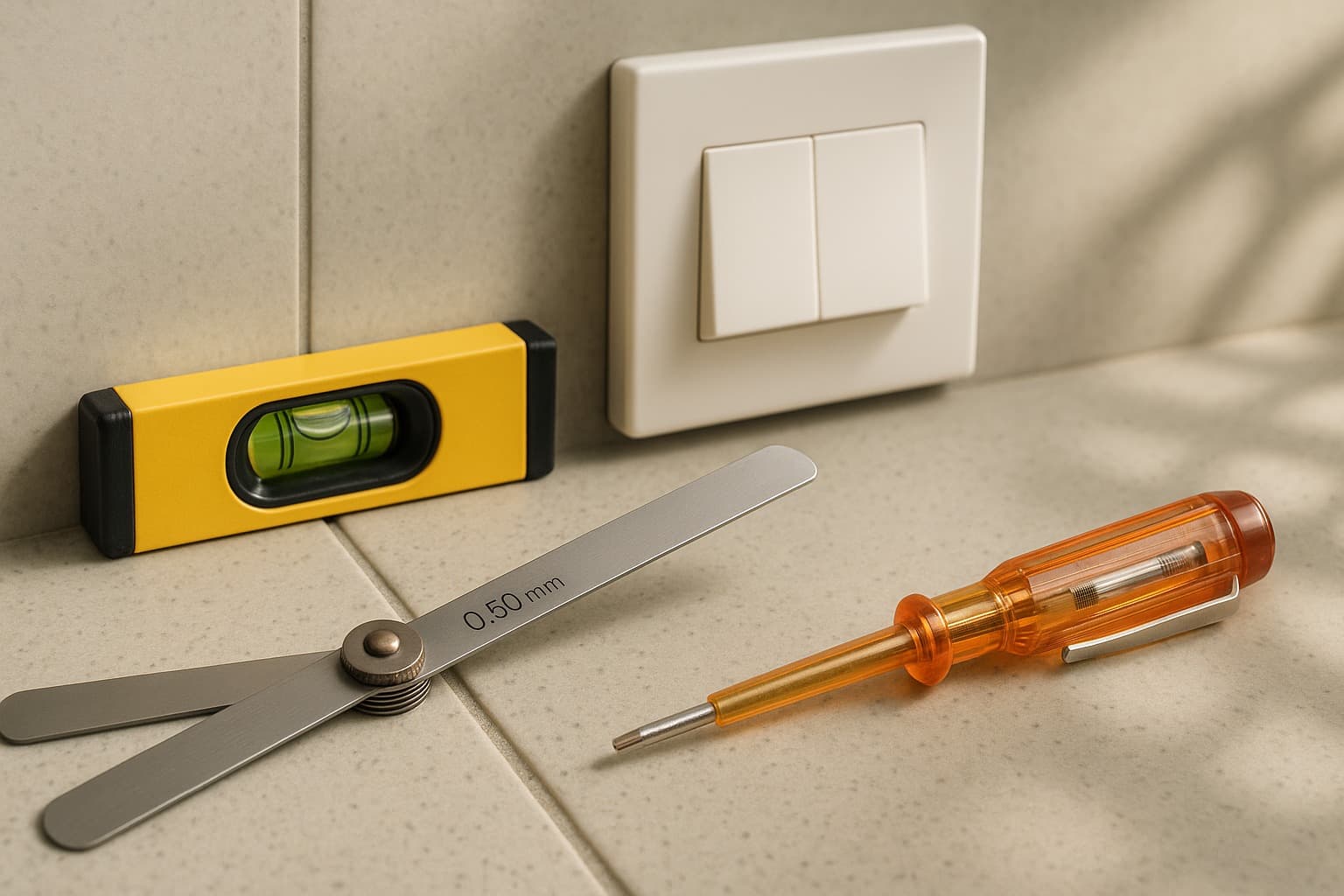
Safe electrical systems are essential for modern homes. Check whether switchboards feel sturdy and if wiring is neatly fitted. Keys signs of good electrical work include:• Proper earthing• High-quality switches• Circuit breakers installed• No loose wires
A homebuyer guide to construction quality India also includes checking power backup systems, meter locations, and cable protection. Good builders follow safety standards and use certified electrical materials.
Doors, Windows, and Railings
Quality of woodwork and fixtures affects both safety and comfort. Doors should close without force, hinges must be rust-free, and windows should glide smoothly. Railings on balconies and staircases must be firmly installed. These elements are part of home construction quality because they reflect overall workmanship. Low-quality fixtures will require replacement within a short time, increasing costs.
Materials Used in Construction
A strong building depends on the material used. Buyers should ask about brands of cement, steel, tiles, and waterproofing materials. The complete checklist for evaluating construction quality in Indian properties includes:• ISI-marked materials• Branded piping• Quality-certified bricks or blocks• Good waterproofing layers
Developers who use trusted brands create more durable structures, and they usually display certificates on-site.
Common Areas and External Quality
Construction quality is not limited to individual flats. The condition of common areas reveals contractor standards. Look at staircases, terraces, parking areas, and boundary walls. Uneven tiling, poor drainage, or damaged plaster may show inadequate construction supervision. Ways to check construction quality of a new home extend to checking external paint, landscaping, and security infrastructure.
Step-by-Step Guide to Inspecting Construction Quality
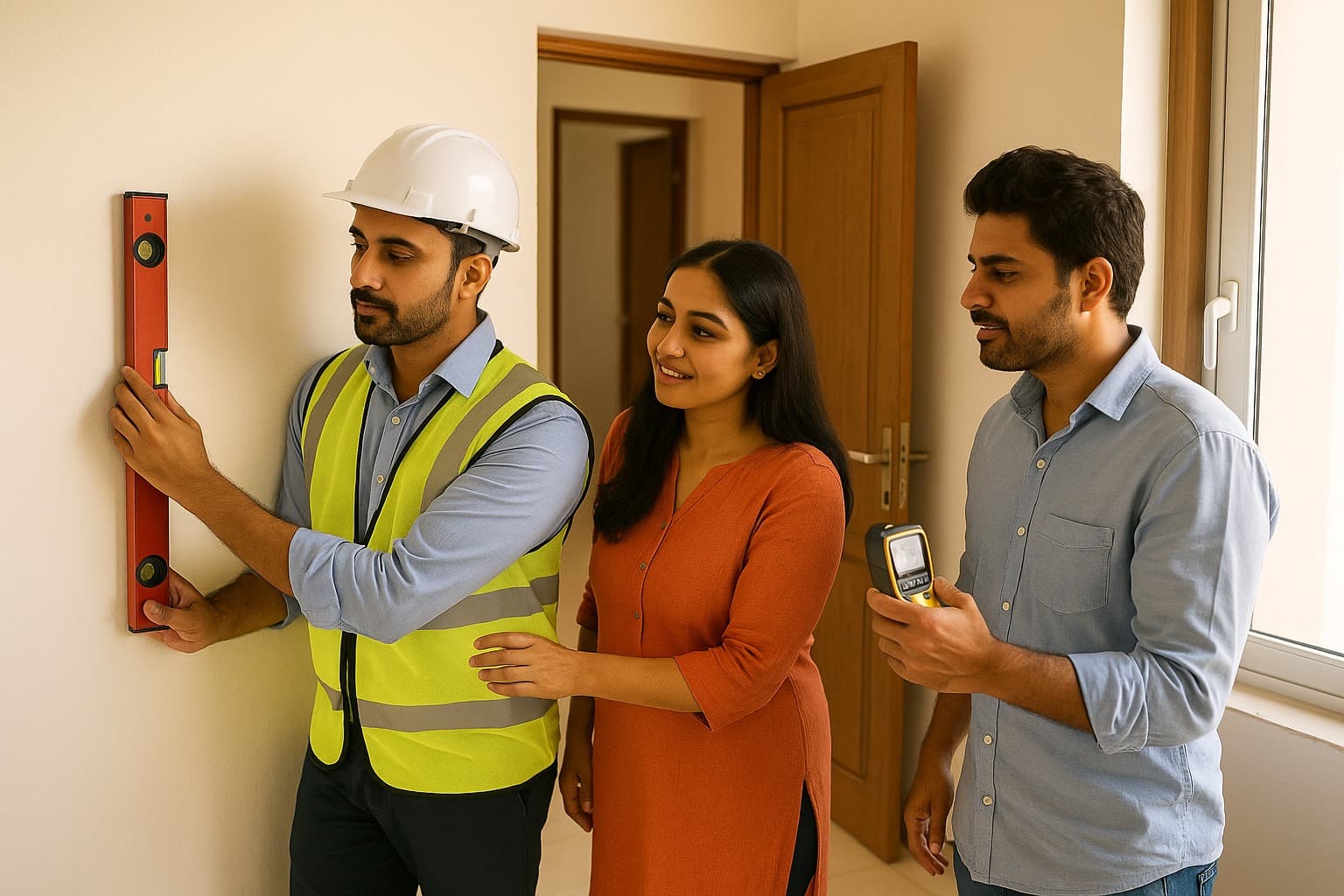
A step-by-step guide to inspecting construction quality before buying a home makes the process easier:
Start with a general visual check Inspect walls, flooring, and ceilings Test plumbing and drainage Check electrical switchboards and wiring Review doors, windows, and finishing Inspect common areas and safety features Ask for technical specifications and certificates Verify documents through a property expert if needed
This approach ensures complete clarity and reduces risk.
When to Take Expert Help
While basic inspections help, certain checks require professional evaluation. Structural engineers, architects, or independent home inspection services offer detailed assessments. Their reports help buyers understand hidden issues. Taking expert help is especially useful in large projects, resale properties, and under-construction homes. This ensures you assess how homebuyers can identify good quality construction in real estate projects accurately.
Summary
Inspecting construction quality is essential for a safe and long-lasting home. Understanding how to inspect property construction quality before buying helps buyers check structural strength, plumbing, electrical work, and materials used. With a clear checklist for inspecting property construction, homebuyers can identify defects early and avoid costly repairs later. Good construction improves durability, comfort, and resale value. By combining visual checks with expert guidance, buyers can confidently choose homes that meet strong quality standards and provide security for years to come.