
How to Inspect a Ready-to-Move Flat Before Buying: A Comprehensive Guide
Summary
Buying a ready-to-move flat requires careful inspection to avoid costly surprises. This guide provides a comprehensive checklist covering structural integrity, electrical systems, plumbing, legal documents, and common areas, ensuring a sound investment.

Introduction
Buying a ready-to-move flat may look simple, but careful inspection is essential. Unlike under-construction homes, there is no time for corrections later. Once payment is completed, responsibility shifts fully to the buyer. A detailed inspection helps identify visible defects, hidden risks, and future repair costs. This guide explains how to inspect a ready home step by step. It helps buyers make informed decisions and avoid emotional or financial stress. A systematic approach ensures long-term comfort, safety, and value for money.
Understanding the Importance of Inspection
A ready flat may appear perfect at first glance, but many issues surface only after living begins. Inspection helps detect construction flaws, safety risks, and finishing gaps. Buyers should treat this process as a technical evaluation, not a casual visit. A proper ready-to-move flat inspection protects buyers from costly repairs. It also strengthens negotiation power. Viewing the flat multiple times at different hours helps understand lighting, ventilation, and noise levels.
Short Links:• Flat Check• Home Safety• Buyer Guide• Property Care• Move-In Tips
Structural Strength and Surface Quality
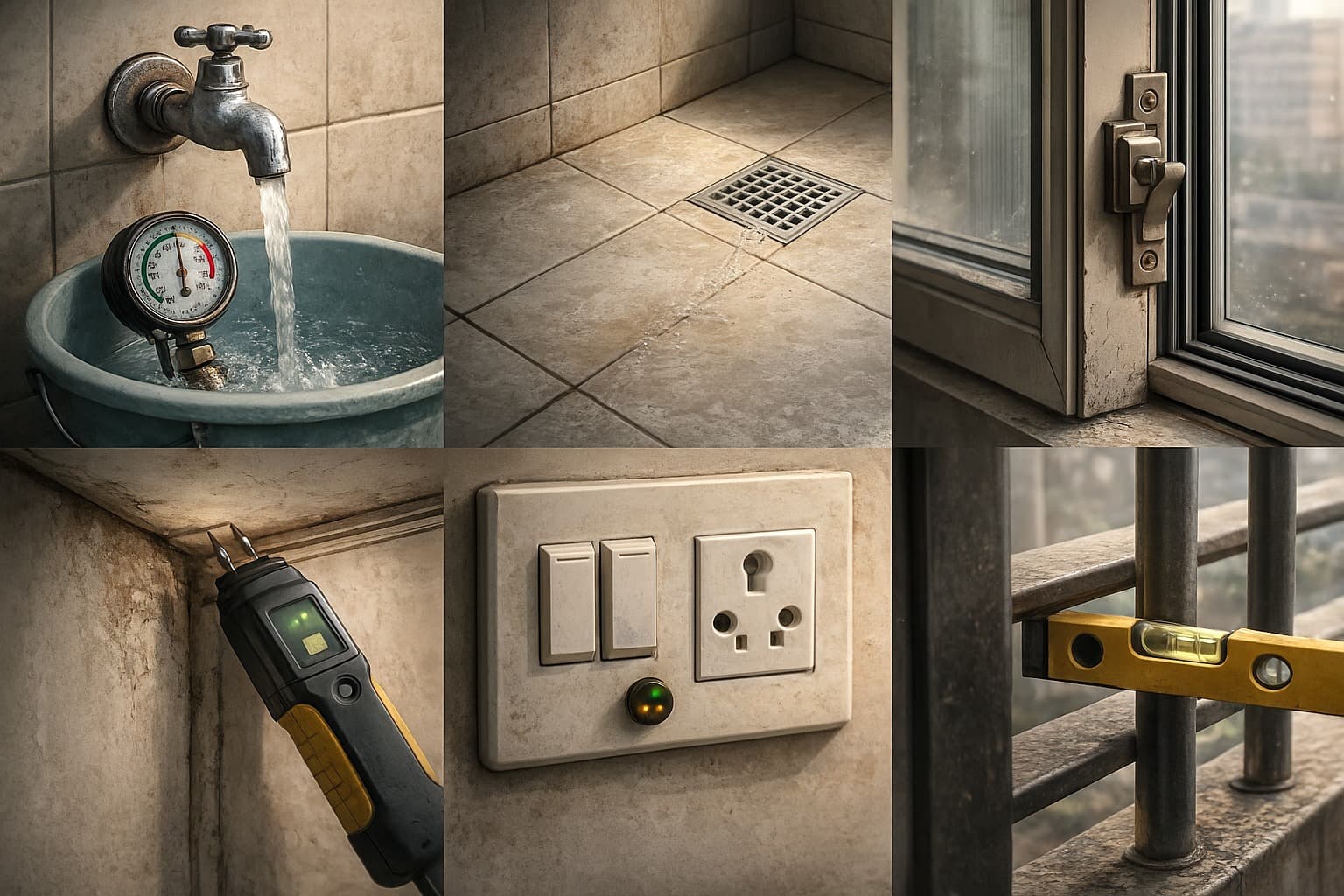
Begin with checking walls, ceilings, and floors. Look for cracks, damp spots, or uneven finishes. Press walls gently to check for hollow sounds. Flooring tiles must be even, firm, and properly aligned. Ceilings should not show water marks or peeling paint. These checks confirm structural integrity and construction quality. Small defects may indicate deeper problems. This step is essential in property inspection and protects long-term durability.
Doors, Windows, and Natural Ventilation
All doors should open smoothly and close firmly. Locks must work without force. Windows should slide or open freely and seal properly when shut. Check for gaps that allow dust or noise. Good airflow and sunlight improve comfort and health. Kitchens and bathrooms must have exhaust or window ventilation. Poor airflow may cause dampness. This check improves home safety checks and everyday living quality.
Medium Links:• Flat Readiness Guide• Property Buyer Help• Smart Home Purchase• Housing Inspection Tips• Safe Living Advice
Electrical System and Power Safety
Switch on all lights, fans, and sockets. Voltage should remain stable. Check switchboards for loose fittings or exposed wiring. Confirm proper earthing and safety breakers. Ensure adequate power points in every room. Electrical defects are expensive to fix later. This inspection step strengthens electrical safety and ensures compliance with standards. Buyers should not ignore buzzing sounds or overheating sockets.
Plumbing, Drainage, and Water Supply
Test water flow in all taps and showers. Flush toilets and observe drainage speed. Look under sinks for leaks. Bathroom floors should slope towards drains to prevent water logging. Ask about water source and storage capacity. Plumbing problems lead to frequent maintenance issues. This step ensures plumbing inspection is done thoroughly. It protects hygiene, comfort, and wall integrity.
Kitchen and Bathroom Finishes
Kitchen platforms must be level and firmly fixed. Cabinets should open smoothly. Check sink sealing and backsplash fitting. Bathrooms must have anti-skid flooring and secure fittings. Inspect geyser points and mirror placement. Finishing quality reflects workmanship standards. Poor finishing may mean rushed construction. This part strengthens the flat inspection checklist and buyer satisfaction.
Long Links:• Complete Ready Flat Inspection Process• Buyer’s Detailed Home Verification Guide• Step-by-Step Property Evaluation Manual• Residential Flat Condition Assessment Guide• Smart Decision Guide for Homebuyers
Legal Verification and Possession Documents
Inspection is incomplete without document verification. Check the sale agreement, occupancy certificate, and approved floor plan. Ensure carpet area matches documents. Confirm society formation and maintenance terms. Ask for warranties on fixtures. Legal clarity ensures possession checklist compliance. It protects buyers from future disputes and unexpected charges.
Common Areas and Building Facilities
Inspect lifts, staircases, parking areas, and security arrangements. Fire safety equipment should be installed and functional. Emergency exits must be accessible. Parking allocation must match documents. Common areas affect daily living and resale value. A good society setup ensures long-term comfort. This step completes pre-purchase inspection and community readiness.
Final Walkthrough and Defect Listing
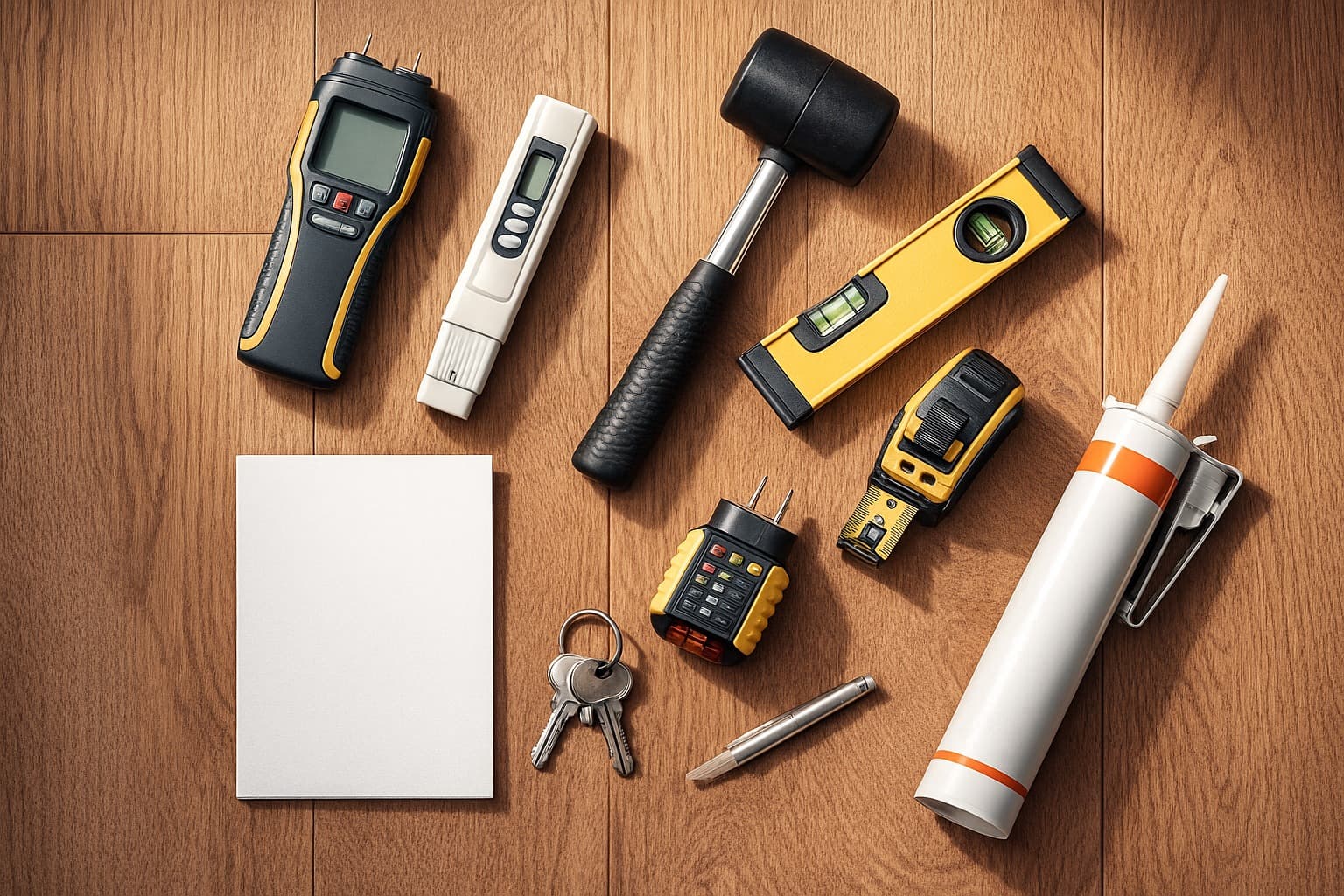
Conduct a final walkthrough before payment. Note all defects clearly. Take photographs and share a written list with the seller. Request rectification timelines in writing. This step ensures accountability and transparency. A proper walkthrough confirms ready possession flat condition and buyer confidence.
Summary
Inspecting a ready-to-move flat is a critical step before buying. It helps identify construction flaws, safety risks, and finishing defects that may otherwise go unnoticed. A structured inspection covering structure, electricals, plumbing, ventilation, documents, and common areas protects buyers from future stress and expenses. Multiple visits, careful observation, and written defect records ensure transparency. A well-inspected home offers peace of mind, long-term comfort, and true value for money.