
How to Handle Late Rent and Rent Defaults: A Landlord's Guide
Summary
This blog post provides comprehensive insights and practical guidance on How to Handle Late Rent and Rent Defaults: A Landlord's Guide. It covers key concepts and offers valuable tips for readers.

Introduction
Dealing with late rent or a rent default is one of the most common challenges landlords face. Whether it is due to financial trouble, unexpected emergencies, or simply poor discipline, delayed payments can disrupt cash flow and affect the trust between a landlord and tenant. Today, it is important for property owners to handle tenant issues calmly, legally, and with a structured plan. A balanced approach helps in smooth rent recovery while protecting rights under property law. This blog explains the right way to respond, communicate, and prevent repeated defaults in the future.
Why Late Rent Happens and Why a System Helps
Many landlords assume that a delay happens only when a tenant cannot pay, but the reality is wider. People may forget deadlines, face medical expenses, or experience salary delays. Sometimes tenants misjudge their monthly commitments.This is why landlords should follow a consistent process. Understanding how to handle late rent payments legally ensures that every step is firm yet fair. When a system exists, both parties know what to expect, and unnecessary conflict reduces. A clear and documented procedure also strengthens the tenant rent default procedure in India, allowing landlords to act confidently without crossing legal boundaries.
Setting Grace Periods and Clear Penalties
Before any issue arises, landlords should decide on grace periods and penalties for late rent. A short grace window of two to five days is common because it acknowledges genuine delays without encouraging careless behaviour.Penalties must be reasonable and clearly written in the rent agreement. A small percentage or fixed charge signals seriousness without appearing harsh.This clarity is essential for preventing future confusion. When rules are written, a tenant cannot claim ignorance, and landlords have a legal base if the matter ever goes to dispute resolution or rent court.
Communicating Effectively When Rent Is Delayed

When a payment is late, communication should begin immediately but politely. Many misunderstandings are resolved simply through timely dialogue.Good communication tips for rent defaulters include sending a friendly reminder, following up with a phone call, and documenting every message.A calm tone helps tenants feel comfortable sharing their situation truthfully. If the reason is temporary, landlords can offer a short extension with written confirmation. If the issue seems long-term, the landlord should shift to a more structured recovery plan.This practical approach supports both parties and sets the stage for smoother interactions.
Step-by-Step Legal and Practical Response
Handling missed payments becomes easier with a roadmap. A simple step-by-step guide to handle late rent or tenant default begins with sending reminders, followed by a formal notice if there is no response.Under Indian tenancy laws, landlords cannot evict immediately without following due process. A written notice specifying the amount due and the deadline for payment is essential.Keeping all receipts, chat records, bank statements, and notices creates strong evidence. Such documentation supports legal and practical methods to recover unpaid rent if the matter escalates.If still unresolved, landlords can approach the Rent Controller or file a civil claim for overdue rent.
Available Rent Recovery Options
When reminders and notices fail, landlords can explore legal options depending on state-specific laws. Common rent recovery options for landlords include issuing a demand notice, approaching local rent authorities, or filing a recovery suit.In states governed by older Rent Control Acts, eviction or recovery may require proving wilful default. In states with modern tenancy laws, the process is simpler and more landlord-friendly.Even if legal action is taken, landlords must comply with property law to avoid creating loopholes that a tenant could use in defence.Rent recovery is stronger when landlords follow the correct procedure rather than acting in frustration.
Balancing Firmness and Relationships During Delays
One of the greatest challenges is maintaining trust while handling defaults. A professional approach can preserve the relationship.Knowing how to manage tenant relationships during payment delays means finding the right balance between empathy and discipline.Landlords should listen to the tenant’s concerns but also protect their financial interests. Offering structured instalments, temporary extensions, or revised deadlines can help both sides.However, repeated promises without action should not be tolerated. If a tenant continues defaulting, it becomes a sign to begin formal action.
Preventing Recurring Rent Defaults with Smart Screening
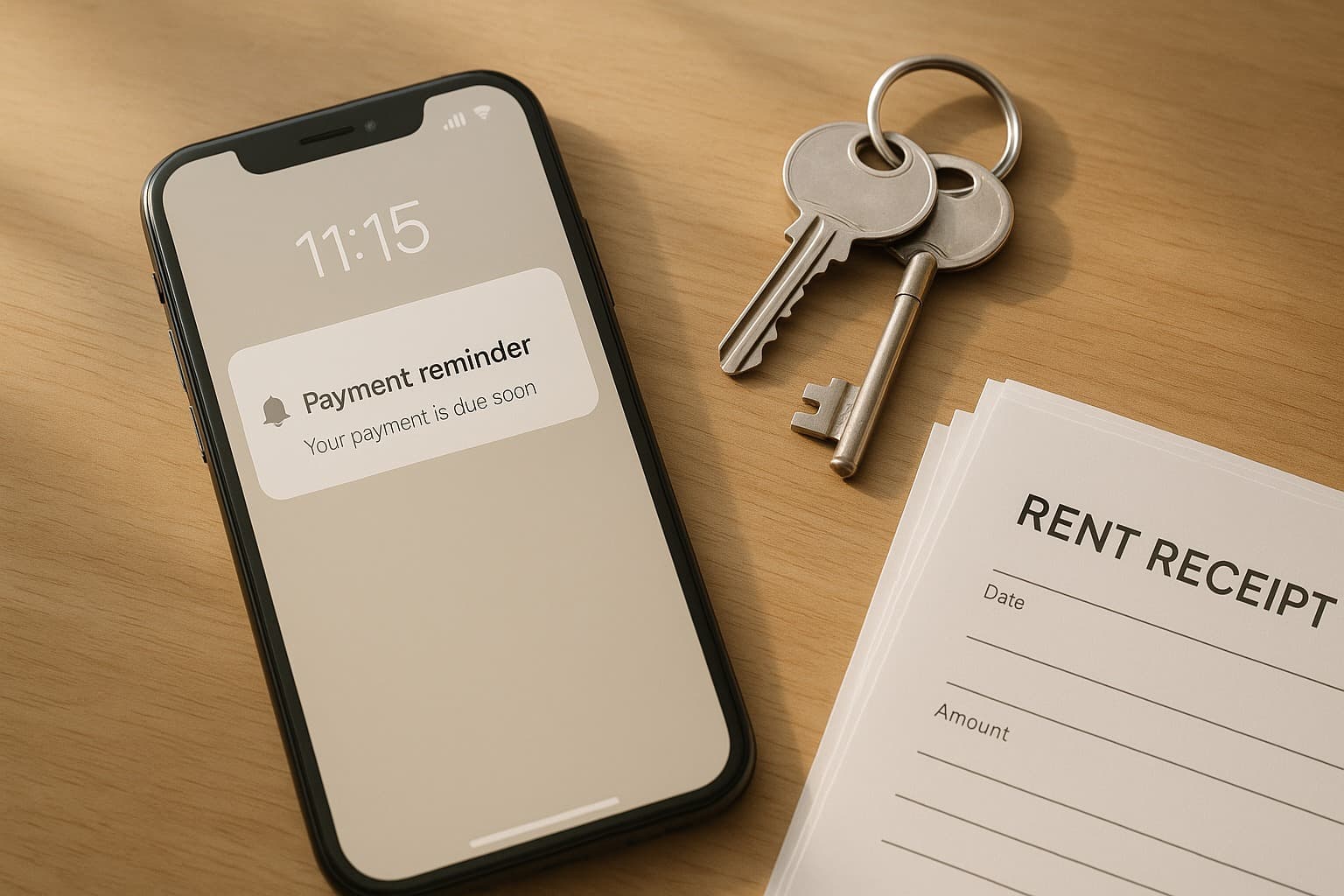
The best way to avoid future delays is by choosing the right tenant from the beginning. Strong screening prevents long-term stress.Good verification includes checking employment stability, income proof, rental history, and references. Smart screening supports preventing recurring rent defaults with smart screening, ensuring that only reliable tenants occupy the property.Clear agreements, automated reminders, and digital payment systems also reduce mistakes.Educating tenants about expectations at the start strongly reduces conflicts later.
Creating Strong Rent Policies for Smooth Tenancy
A clear rent policy gives structure to the entire rental relationship. Useful rent payment policy tips for landlords include issuing rent receipts, maintaining updated agreements, using written communication, and setting clear due dates.A strong rent policy also defines consequences for a rent default, timelines for reminders, and conditions for eviction if required.With these systems in place, landlords can handle tenant issues confidently while offering tenants a stable, predictable environment.This structured approach benefits both parties and makes the overall rental experience easier to manage.
Summary
Managing late rent or a rent default becomes easier when landlords use a clear, legal, and balanced system. A defined process with reminders, notices, grace periods, and structured communication ensures smooth rent recovery. Understanding the tenant rent default procedure in India and following proper documentation helps landlords protect their rights under property law. With smart screening, firm policies, and respectful communication, landlords can reduce delays and maintain healthy tenant relationships. A proactive approach prevents repeated issues and keeps the rental process organised and stress-free.