
How to Decode a Floor Plan Smartly and Identify Hidden Issues
Summary
Unlock hidden potential in floor plans! Learn to decode symbols, assess layouts, and identify potential issues before buying. Make informed decisions and avoid costly surprises with our expert guide.

Understanding a floor plan is one of the most important skills for a homebuyer. It is not just a set of lines and symbols on paper—it is a blueprint of your future living space. Every line, every measurement, and every symbol conveys important information about your home’s functionality, comfort, and practicality. Many buyers make mistakes by overlooking hidden details in floor plans. This guide will help you decode a floor plan smartly, spot potential problems, and make informed decisions when purchasing a home.
1. Start with the Scale and Measurements
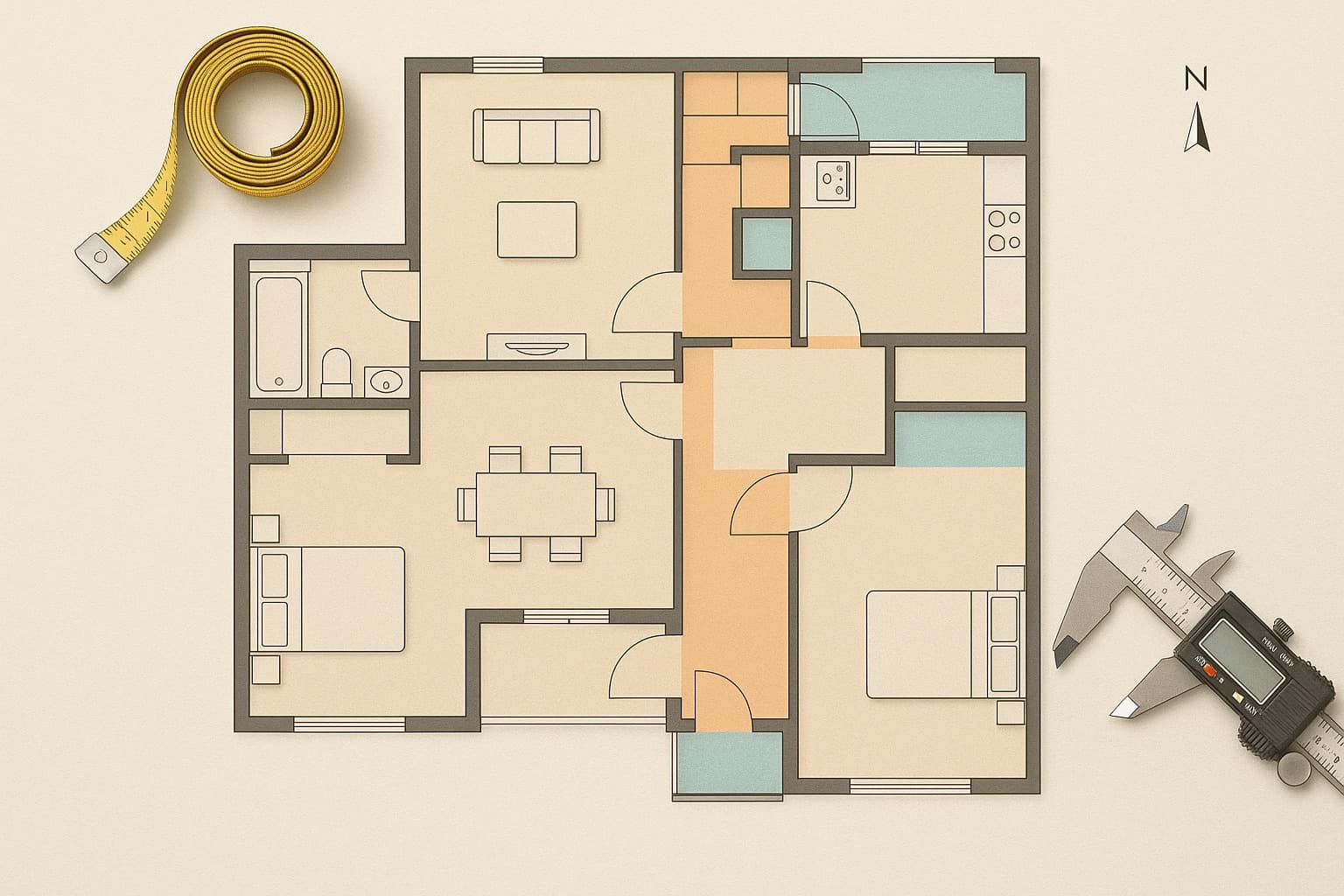
The first step in reading any floor plan is understanding its scale. A scale represents the ratio of the drawing to the actual space. For instance, a scale of 1:50 means one unit on the plan equals 50 units in reality. Some plans also provide graphical scale bars that allow you to measure distances directly with a ruler. Once the scale is clear, carefully check the dimensions of each room. Pay attention to both interior and exterior measurements, as interior dimensions indicate usable space, while exterior dimensions reflect the total building size. Accurate understanding of measurements prevents surprises after construction.
2. Identify the Orientation
Orientation is crucial for light, ventilation, and energy efficiency. Most floor plans indicate direction with a compass rose or an “N” arrow. Knowing which way your rooms face helps you plan sunlight exposure, especially for living areas and bedrooms. South-facing rooms get ample sunlight, whereas north-facing spaces tend to be cooler. Orientation also affects your garden, balcony, and window placement. Ignoring this detail can result in rooms that feel dark or poorly ventilated despite having adequate square footage.
3. Distinguish Walls and Partitions
Not all walls are the same. Exterior walls are thick, providing structural stability and insulation, while interior walls are thinner and primarily separate rooms. Some plans include special symbols for fire-rated walls or walls made from specific materials. Pay attention to wall thickness in measurements because it directly affects usable space. Misreading walls can lead to incorrect assumptions about room size and furniture placement.
4. Examine Room Layouts
Each labeled room on a floor plan is more than a name—it indicates function and usability. Check the size of rooms in relation to your furniture and daily activities. Look at how rooms connect: Are bedrooms too close to noisy areas like the living room? Is the kitchen conveniently placed near dining spaces? Understanding layout flow helps you visualize living patterns and spot potential design flaws that may cause inconvenience later.
5. Study Doors and Windows
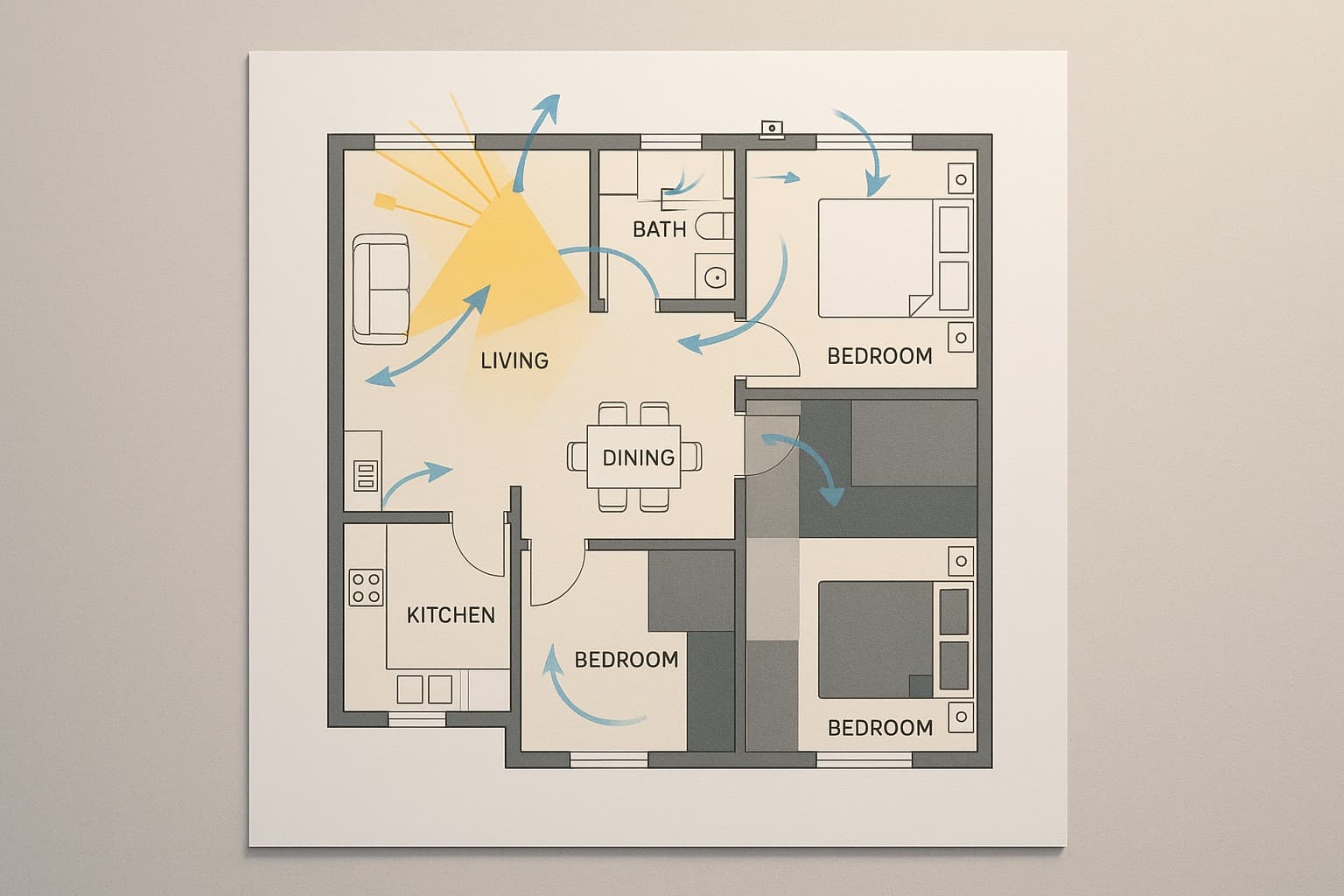
Doors and windows define movement and light. Doors are shown with arcs indicating the direction they open. This detail helps assess traffic flow and whether furniture placement will be obstructed. Windows, usually breaks in walls, show how natural light enters rooms. Count windows in every room, consider their size, and note their operation style. Poorly positioned windows can lead to dark interiors and limited ventilation, even in homes with large rooms.
6. Decode Symbols and Abbreviations
Floor plans often use symbols for appliances, fixtures, stairs, and other elements. These symbols can seem confusing at first, but they reveal essential details. Standardized symbols represent items like sinks, bathtubs, electrical outlets, and HVAC vents. A legend on the plan explains these symbols. Paying attention to them ensures you understand what is included in the design, prevents overlooking critical installations, and helps you plan for furniture or renovations effectively.
7. Check Finishes and Textures
Some floor plans indicate finishes through abbreviations or hatch patterns, such as “CPT” for carpet, “VIN” for vinyl, or “TILE” for ceramic tiles. Knowing these details gives insights into the quality, durability, and aesthetics of rooms. Material information also helps estimate renovation costs if you plan upgrades. Floors, walls, and ceilings contribute to the comfort and visual appeal of your home, making finishes an important aspect of floor plan analysis.
8. Visualize Furniture and Flow
A floor plan without furniture is just a skeletal structure. Imagine placing beds, sofas, tables, and storage units in each room. Consider traffic flow: can people move comfortably between rooms without obstruction? Identify focal points, such as windows or fireplaces, which can influence furniture placement. This exercise also helps detect hidden issues like tight spaces, awkward corners, or underutilized areas. Furniture visualization ensures your future home will be functional and comfortable.
9. Review Electrical and HVAC Plans
Some builders provide additional plans for electrical and HVAC systems. Electrical plans show outlets, switches, lighting, and smoke detectors. HVAC plans display ducts, air conditioning units, and ventilation paths. Reviewing these systems is critical because they affect comfort, energy efficiency, and safety. Hidden issues, such as insufficient outlets or poor air circulation, can be costly to fix post-construction. Understanding these plans lets you plan modifications before buying.
10. Spot Hidden Issues
Even well-drawn floor plans may hide potential problems. Check for narrow hallways, awkward room shapes, low ceilings, or small storage areas. Assess whether bathrooms and kitchens have enough space for movement. Look for design flaws that might limit flexibility in using rooms or adding furniture. By examining layouts critically, you can identify issues that are not obvious at first glance. Awareness of these red flags saves money and prevents disappointment after moving in.
11. Create a Buyer Checklist
To decode floor plans smartly, develop a checklist. Include items like scale verification, room dimensions, orientation, wall thickness, door and window placements, symbol understanding, finishes, furniture planning, and utility systems. This structured approach ensures no detail is overlooked. A checklist helps you compare multiple properties objectively and make a well-informed purchase decision. By following it, you reduce the risk of encountering hidden issues after buying a home.
12. Practical Tips for Homebuyers
Always cross-verify measurements with a physical inspection if possible. Take a tape measure during site visits to compare with the plan. Consult professionals if certain symbols or abbreviations are unclear. Use digital tools or apps to simulate furniture layout and room flow. Pay attention to details that affect lifestyle, like natural lighting, storage, and ventilation. Smart buyers treat floor plans as a roadmap to a comfortable and functional home, rather than just paper drawings.
Summary
Decoding a floor plan is essential for every smart homebuyer. By understanding scale, orientation, walls, room layouts, doors, windows, symbols, finishes, and utility systems, buyers can visualize the true potential of a property. Spotting hidden issues such as awkward spaces or poor traffic flow ensures informed decisions. Using a structured checklist, simulating furniture placement, and reviewing electrical and HVAC plans further enhances accuracy. Careful analysis of floor plans prevents surprises, saves money, and guarantees that your new home meets both functional and lifestyle needs.
Video will be embedded from: https://www.youtube.com/watch?v=OFJwaSG20Jg