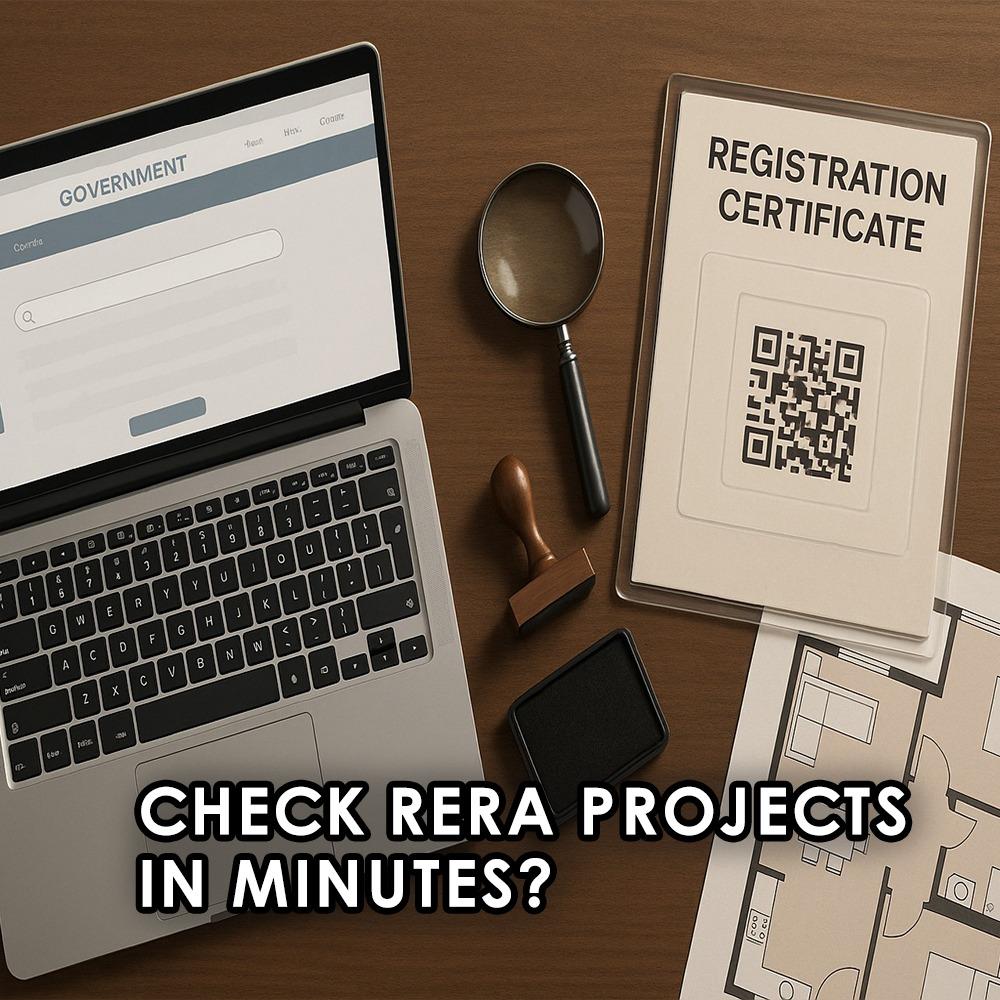
Purchasing a home is one of the most significant investments in a person’s life. However, the Indian real estate market has seen its share of delays, fraudulent projects, and unverified builders. This is where RERA registration becomes crucial. The Real Estate (Regulation and Development) Act, or RERA, ensures transparency, accountability, and protection for homebuyers. Before booking a property, it is essential to verify whether a project is RERA registered. This guide explains how to check RERA registration online, why it matters, and the step-by-step process to verify any project.
1. Understanding RERA Registration
A RERA registered project means that the developer has submitted all necessary legal documents, approvals, and project details to the state RERA authority. This registration ensures that buyers can track project timelines, verify builder credibility, and hold developers accountable for delays or deviations from approved plans. A RERA number, issued for each registered project, acts as proof of compliance. Checking this number before booking protects buyers from investing in unverified or non-compliant properties.
2. Why Checking RERA Matters
Many homebuyers skip this step and face issues later, including stalled projects, fraudulent builders, or misleading promises. Verifying a project on the RERA portal ensures:
The project is legally approved and registered
Construction start and end dates are clearly stated
Any complaints or past delays are visible
The builder’s track record is transparent
By confirming RERA registration, buyers make informed decisions and reduce financial and legal risks.
3. Step 1: Visit the State RERA Portal
RERA registration is managed at the state level, and each state has its own RERA portal. To start verification, visit the portal for the state where the property is located. For example:
Maharashtra: maharera.mahaonline.gov.in
Karnataka: rera.karnataka.gov.in
Delhi: rera.delhi.gov.in
Tamil Nadu: www.tnrera.in
State portals are updated regularly with information about registered projects, builders, approvals, and project completion status.
4. Step 2: Locate the Project Search Section
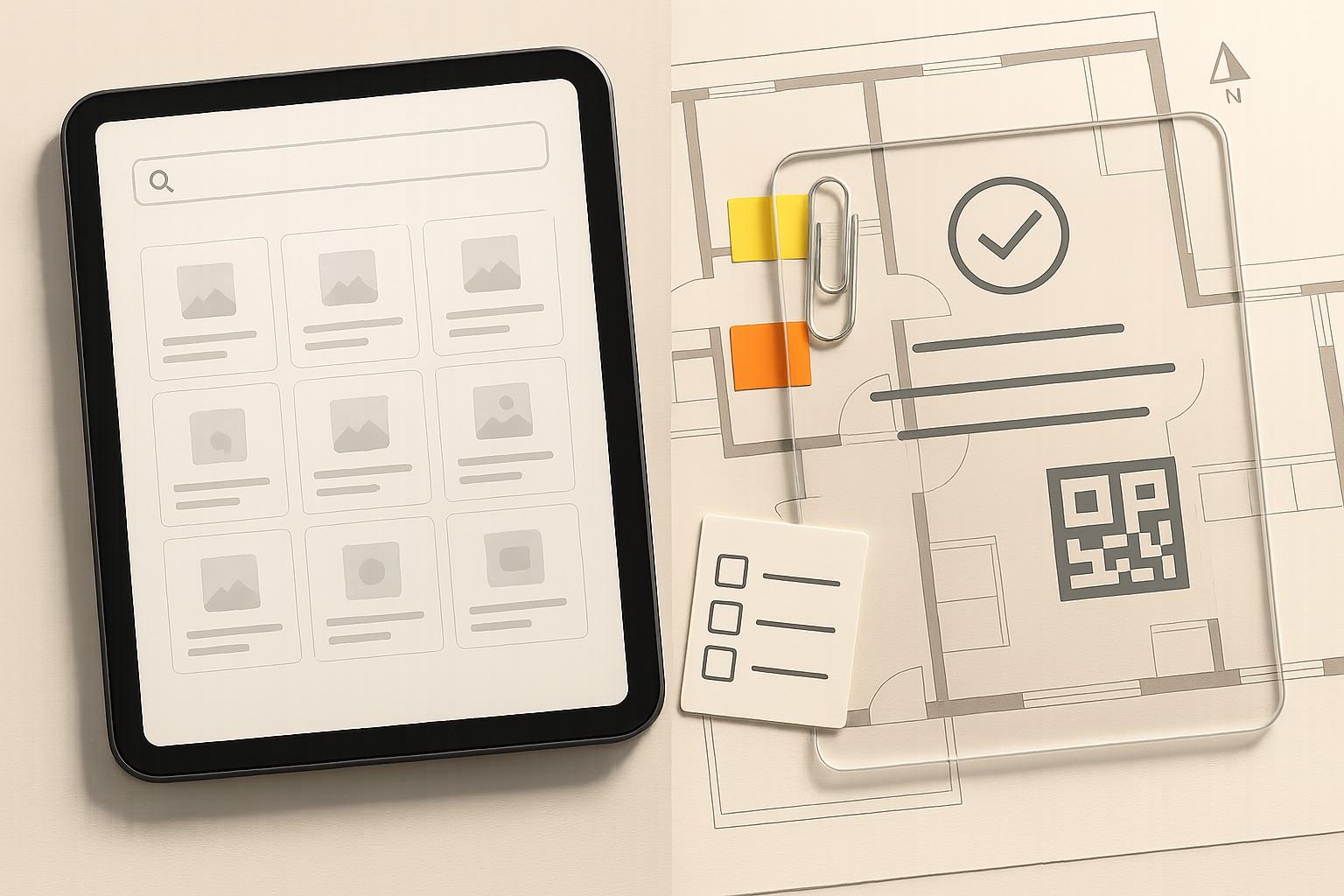
Most RERA portals have a “Registered Projects” or “Project Search” section. Here, you can search for projects either by name, builder, or the RERA registration number if you have it. This search tool is designed to give buyers easy access to project details without any technical difficulty.
5. Step 3: Enter Project Details
To verify a project, enter the following information in the search fields:
Project name as advertised
Builder’s name
RERA registration number (optional but more accurate)
After entering the details, click search. The portal will display all relevant project information, including layouts, approvals, possession date, amenities, and legal documentation.
6. Step 4: Review Project Information
Once the project appears in the search results, carefully check the details:
Confirm the builder’s name matches the advertisement
Verify the project start and possession dates
Check the approved layout, total units, and amenities
Look for any notices or complaints against the builder
This step ensures the project is fully compliant with RERA rules and provides a clear picture of the property before making any payment.
7. Step 5: Verify the RERA Number
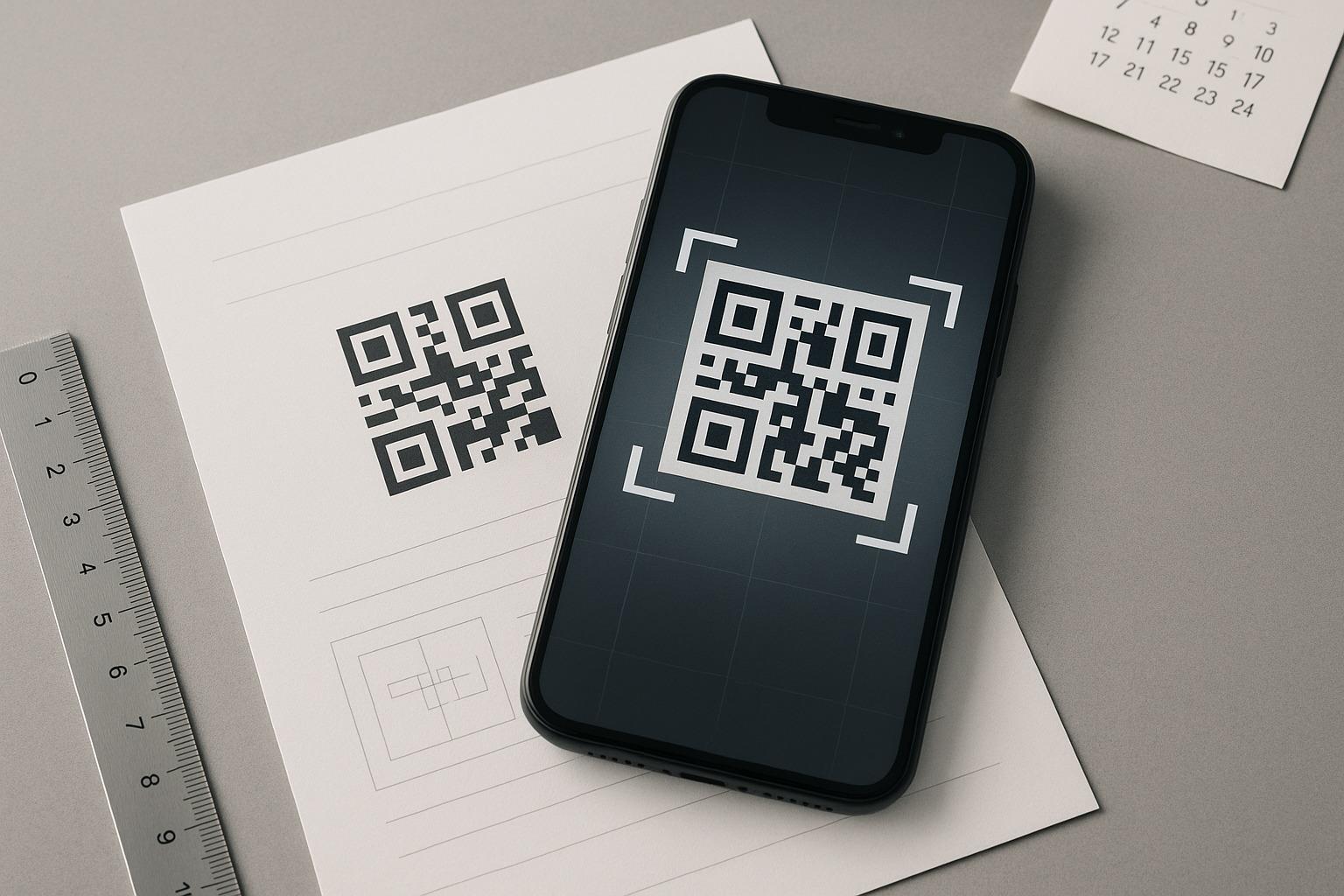
Every registered project receives a unique RERA registration number. This number can be used to track project updates and confirm authenticity. Cross-check this number with the builder’s brochure or website. If the number does not appear on the state portal, it is a red flag, and buyers should avoid making payments. A genuine RERA number guarantees that the project follows legal guidelines.
8. Step 6: Check for Complaints or Past Delays
RERA portals also provide details about complaints filed by previous buyers. Review this information to understand the builder’s reliability and project completion record. Projects with multiple unresolved complaints or delays may pose risks. This simple step helps buyers choose credible developers and avoid potential fraud or delays.
9. Step 7: Take Screenshots and Keep Records
Always take screenshots or save a PDF of the RERA registration details for your records. Keep these alongside your booking agreement and receipts. This documentation can be crucial in case of disputes or if you need to escalate issues to the RERA authority. Proper record-keeping enhances buyer security and ensures legal recourse if needed.
10. Step 8: Red Flags to Watch
Even with RERA registration, buyers should be cautious:
Claims like “Registration is under process” or “Not required for small projects” should be verified carefully
Ensure the project appears on the official RERA portal
Avoid projects without a valid RERA number or incomplete project details
Being vigilant prevents potential losses and ensures a safer property investment.
11. Step 9: Quick Tips for Buyers
Always ask the builder for the RERA registration number before paying the token amount
Compare project details on the portal with the brochure or advertisements
Use the state portal to check past projects of the builder for timely completion
Ensure that all amenities and layouts promised are reflected in the RERA portal
Following these tips can save buyers time, money, and stress.
Summary
Checking if a project is RERA registered is essential for safe property investment. By visiting the state RERA portal, searching for the project by name, builder, or RERA number, and reviewing details, buyers can verify authenticity, track construction timelines, and assess builder reliability. RERA registration ensures accountability, transparency, and legal compliance, reducing risks of fraud or delays. Always cross-check details, save documentation, and be cautious of unregistered projects. A simple verification step online safeguards investments and promotes confidence in India’s real estate market.