
Home Repairs: What to Fix (and Skip) Before Selling Your Property
Summary
Maximize your property's selling potential! Learn which home repairs boost resale value, cost-effective improvements to prioritize, and which renovations to skip, ensuring a faster, more profitable sale.

What Repairs to Do (vs Leave) Before Sale
When planning to sell your property, understanding which home repairs are worth doing and which ones can be skipped makes a big difference. Many sellers struggle with how much time and money to invest before listing their property. Some repairs can add strong resale value, while others might not be worth the expense. The key lies in finding the right balance — fixing what truly matters while avoiding over-improvement.
By creating a thoughtful real estate checklist, you can decide what to fix before sale and prepare your property to attract genuine buyers. This smart approach ensures your home looks its best, feels move-in ready, and saves you from unnecessary spending that doesn’t add to your profit.
1. Importance of Repairs Before Listing
Every buyer wants a property that feels well-kept and move-in ready. Visible flaws, even small ones, can make buyers question the overall condition of a home. Carrying out key home repairs before listing helps you create a strong first impression. Cracks, water stains, or broken fittings can make an otherwise good property look neglected.
Buyers often judge a home’s care level based on these details, so repairing them early can set you apart from others in the market. Timely resale preparation ensures your home appears safe, well-maintained, and ready for occupancy — factors that help achieve a better selling price and quicker offers.
2. What Home Repairs Increase Resale Value
Some fixes and upgrades consistently deliver excellent returns. The home repairs that increase resale value usually include addressing plumbing leaks, upgrading electrical panels, repairing roofs, and repainting interiors. Simple improvements such as re-grouting bathroom tiles, polishing floors, and servicing air-conditioners can dramatically improve how buyers perceive your home.
Upgrading kitchens and bathrooms, even modestly, can be especially effective. Repainting in light, neutral colours and maintaining a clean, inviting exterior also enhances appeal. Focus on updates that boost safety, comfort, and appearance — these are the areas that make your property more desirable and valuable during property resale.
3. Cost-Effective Improvements Before Selling
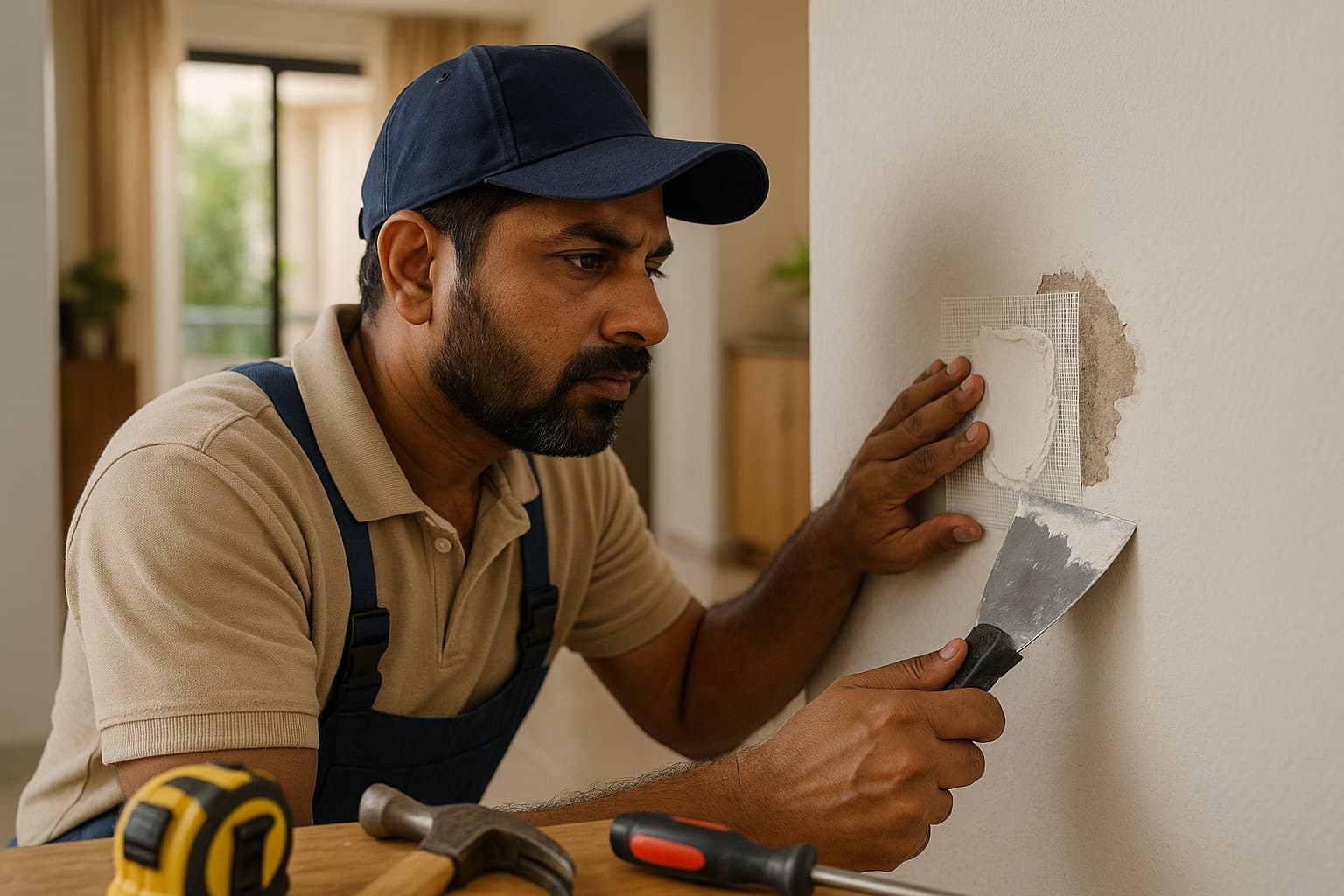
Not all improvements need a large budget. The smartest sellers invest in cost-effective improvements before selling, which deliver maximum impact with minimal expense. Start by tightening loose handles, repairing squeaky doors, cleaning bathroom fittings, and replacing old or dim light fixtures.
You can also improve curb appeal through simple landscaping, cleaning pathways, or adding fresh plants near the entrance. A tidy and well-lit home always attracts more interest. These small touches signal value to potential buyers without straining your budget — a win-win approach that helps your home stand out in the real estate sale.
4. Minor vs Major Repairs: What to Skip
Knowing what to repair and what to skip is one of the biggest challenges for sellers. The decision between minor vs major repairs: what to skip depends on your budget, the property’s condition, and the type of buyers you’re targeting.
Major overhauls such as full kitchen remodels, flooring replacements, or luxury bathroom makeovers might not pay off in resale value. It’s usually smarter to focus on minor but visible issues — like repairing wall cracks, repainting faded walls, or fixing loose door hinges. Large renovations can be left to the new owners, who may prefer to personalize the home themselves. Concentrate on essential maintenance that keeps your property functional and attractive, not extravagant.
5. Home Improvement Checklist to Boost Property Value
Before listing your property, having a home improvement checklist to boost property value helps you stay organized. Start by inspecting all areas of your home — plumbing, wiring, structure, and fittings. Repaint dull walls using neutral colours to make spaces feel open and bright. Ensure every switch, lock, and handle works smoothly.
Replace broken glass panes, clean window tracks, and repair any water seepage. Don’t neglect outdoor spaces; a neat garden or balcony can enhance visual appeal. Following a structured checklist also gives buyers confidence that your home has been cared for with attention and responsibility — a key factor in winning trust.
6. Budget-Friendly Fixes to Attract Buyers Quickly
A clean, fresh home naturally attracts more serious buyers. Focus on budget-friendly fixes to attract buyers quickly that improve the look and feel of your space without big spending. Refresh walls with a new coat of paint, replace outdated bulbs with brighter LEDs, and polish wooden or metal fittings.

Bathrooms and kitchens deserve special attention — fix leaks, deep-clean tiles, and ensure all fixtures shine. Decluttering rooms and rearranging furniture to create space can make a big difference. Adding fresh curtains or simple décor items like cushions can make your home feel modern and cozy. These quick upgrades appeal emotionally to buyers, helping them imagine themselves living in your property.
7. ROI-Driven Renovation Ideas
Every seller aims for a good return on investment. The best ROI-driven renovation ideas are those that add comfort and aesthetic appeal without draining your resources. Start with practical updates such as repairing broken tiles, servicing essential appliances, or upgrading old lighting to modern LED fixtures.
If time allows, repaint exterior walls or add energy-efficient fittings like low-flow taps and ceiling fans. These improvements enhance livability and reduce long-term maintenance costs — two things buyers value highly. Always think in terms of return: every rupee spent should improve the property’s usability, safety, or visual appeal. This practical approach helps you sell faster and smarter.
8. How to Decide Between Repair or Discounting Price
It’s not always necessary to repair everything before selling. Sometimes, offering a small discount works better. To know how to decide between repair or discounting price, evaluate the cost of fixing an issue versus its impact on buyer perception.
If a repair is affordable and straightforward, it’s usually better to handle it yourself — buyers love move-in-ready homes. But if it’s a costly fix, such as roof replacement or major plumbing work, offering a transparent discount might be wiser. Buyers appreciate honesty and flexibility, and this approach often leads to faster deals. Being upfront about a property’s condition builds trust and simplifies negotiation.
9. Which Renovations Are Unnecessary Before Selling
When preparing for sale, it’s equally important to know which renovations are unnecessary before selling. Avoid spending on luxury or highly customized upgrades such as designer wardrobes, modular kitchens, or imported flooring. While these features may look appealing, they rarely recover their full cost and might not match the buyer’s taste.
Instead, focus on functionality, cleanliness, and neutral design. Buyers prefer a home that feels fresh, practical, and ready for move-in rather than one with over-personalized details. Prioritize essential maintenance over extravagant makeovers — this ensures your investment translates into value that buyers recognize.
Summary
Getting your property ready for sale doesn’t mean redoing everything — it’s about making strategic, thoughtful choices. Focus on essential home repairs that increase resale value and skip those that don’t offer a strong return. Use a home improvement checklist to boost property value and concentrate on budget-friendly fixes to attract buyers quickly. Choose practical, ROI-driven renovation ideas, and learn how to decide between repair or discounting price based on the situation. By maintaining your property smartly and presenting it with care, you’ll attract genuine buyers, build credibility, and achieve a faster, more profitable real estate sale.