
Godrej and Lodha's Rs 1 Lakh Crore Land Bet: Decoding Indian Housing in 2026
Summary
Godrej and Lodha's massive land acquisition (Rs 1 Lakh Crore) signals strong confidence in Indian housing demand through 2026. Godrej focuses on diverse geographies, while Lodha targets premium metro locations, both backed by robust sales.

Introduction
Two developers. Twenty-five-plus land parcels. A combined revenue potential crossing Rs 1 lakh crore. When Godrej Properties and Lodha Developers move this aggressively on land acquisition within a single financial year, it is not opportunism. It is conviction built on sales data, buyer behaviour, and a reading of demand that both companies are willing to back with capital at scale. The Godrej Lodha FY26 land buying story is one of the clearest signals Indian residential real estate has produced in years about where the market is heading and which developers are best positioned to capture it.
Godrej Properties: 20 Parcels Worth Rs 42,000 Crore
Godrej Properties land acquisition in FY26 has been running at a pace that has surprised even bullish analysts tracking the company. Nearly 20 land parcels acquired across tier 1 and tier 2 geographies, carrying a combined estimated revenue potential of Rs 42,000 crore. In just the final quarter of FY26, the company closed at least six deals alone worth Rs 17,450 crore in development value.
The geographic spread is deliberate. A 75-acre parcel near the Samruddhi Expressway in Nagpur targeting plotted residential demand. A 30-acre South Bengaluru site earmarked for township development with Rs 3,500 crore revenue potential. A 20-acre parcel near Whitefield in Bengaluru worth Rs 1,350 crore. The 44-acre Coimbatore plotted project worth Rs 450 crore. Each acquisition reflects a specific reading of where residential demand is consolidating across different city tiers.
Lodha's 11 Parcels and Rs 58,800 Crore Pipeline
Lodha land acquisition FY26 tells a slightly different but equally aggressive story. The company acquired 11 parcels in the first nine months of the fiscal year, concentrated in MMR, Delhi NCR, Pune, and Bengaluru. These 11 sites carry a combined saleable area of 20.6 million square feet and projected sales value of Rs 58,800 crore.
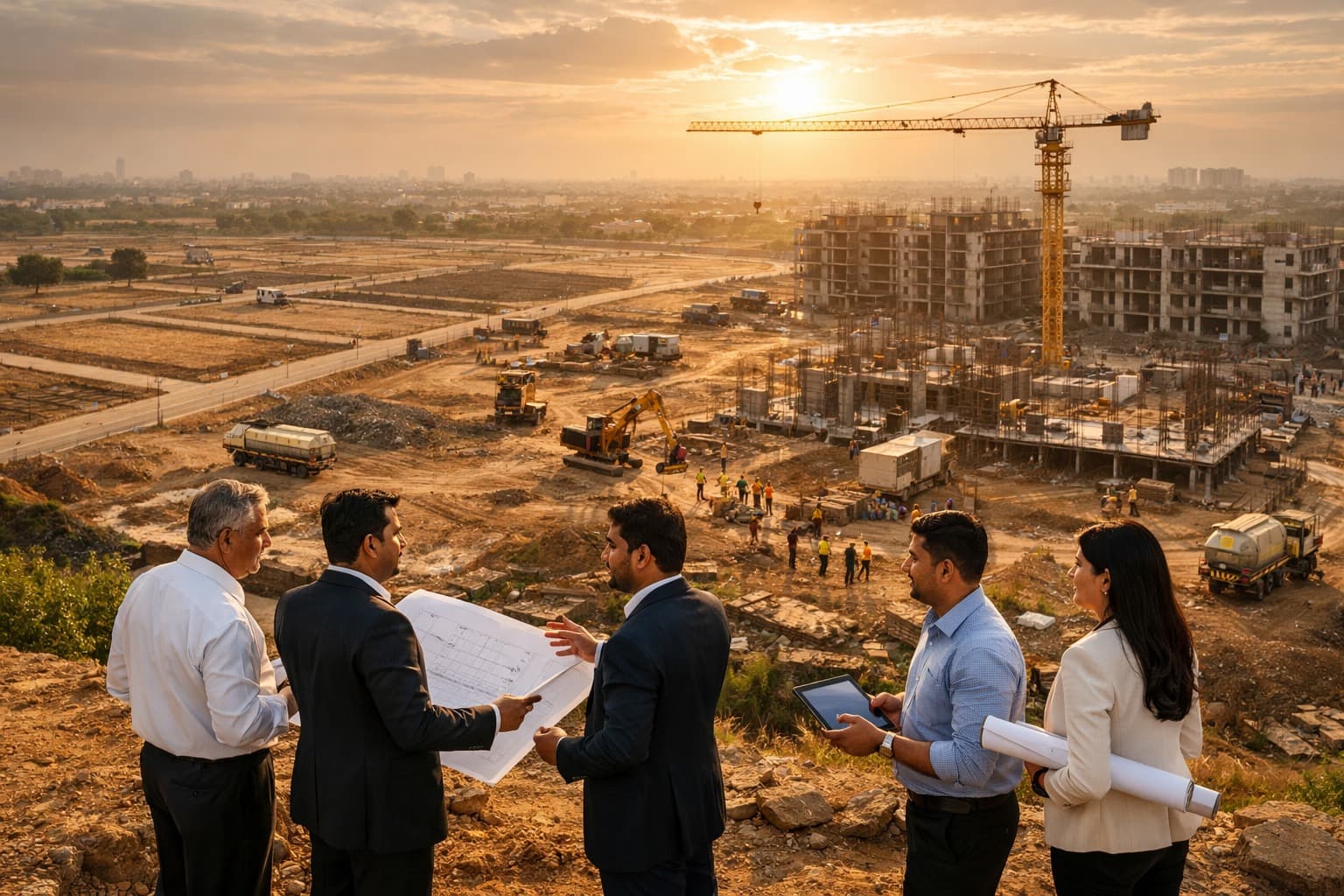
That average of over Rs 5,300 crore per parcel tells you something about the ticket size Lodha is targeting. This is not a strategy built on buying many small sites across peripheral locations. It is a focused accumulation of large, premium-potential land in cities where Lodha's brand and execution capability can justify high-end residential pricing.
The Sales Booking Numbers Running Behind
Both developers are not just acquiring land. They are delivering on existing inventory at a pace that supports the land banking logic. Godrej Properties clocked sales bookings of Rs 24,008 crore in the first nine months of FY26 and is targeting Rs 32,500 crore for the full year. The company has been India's top-ranked listed developer by pre-sales for two consecutive fiscals, with FY25 bookings touching Rs 29,444 crore.
Lodha Developers posted Rs 14,640 crore in sales during April to December FY26 and is targeting Rs 21,000 crore for the full year. Both targets are ambitious but both companies entered Q4 with the momentum to make them credible. The broader market context supports this: the top five listed developers saw combined sales bookings rise 20% in the April to December period, confirming that the demand cycle is not narrowing.
Why Premium and Luxury Are Driving the Land Hunt
Post-pandemic housing demand shifted toward larger homes, better specifications, and brands that buyers trusted to deliver. That shift has been consistent, durable, and is now well into its fourth year. Both Godrej and Lodha have been primary beneficiaries because they occupy the upper-middle to premium segment in every market they operate.
The Indian real estate land buying strategy at this scale only makes sense if you believe premium demand will sustain through the three to five year development cycle that follows land acquisition. Both companies clearly do. And the sales data they are posting backs that conviction. Buyers are not returning to affordable mass-market housing in the volumes that segment once produced. The market's centre of gravity has shifted upward and both developers are buying land at the address and quality level that the 2026 to 2030 buyer will want.
Tier 2 Cities Entering the Acquisition Map
One of the more significant signals in Godrej's land acquisition pattern is the deliberate move into tier 2 geographies. Nagpur and Coimbatore are not afterthoughts. They are cities where Godrej sees organised plotted demand from buyers who have been underserved by national-scale developers.
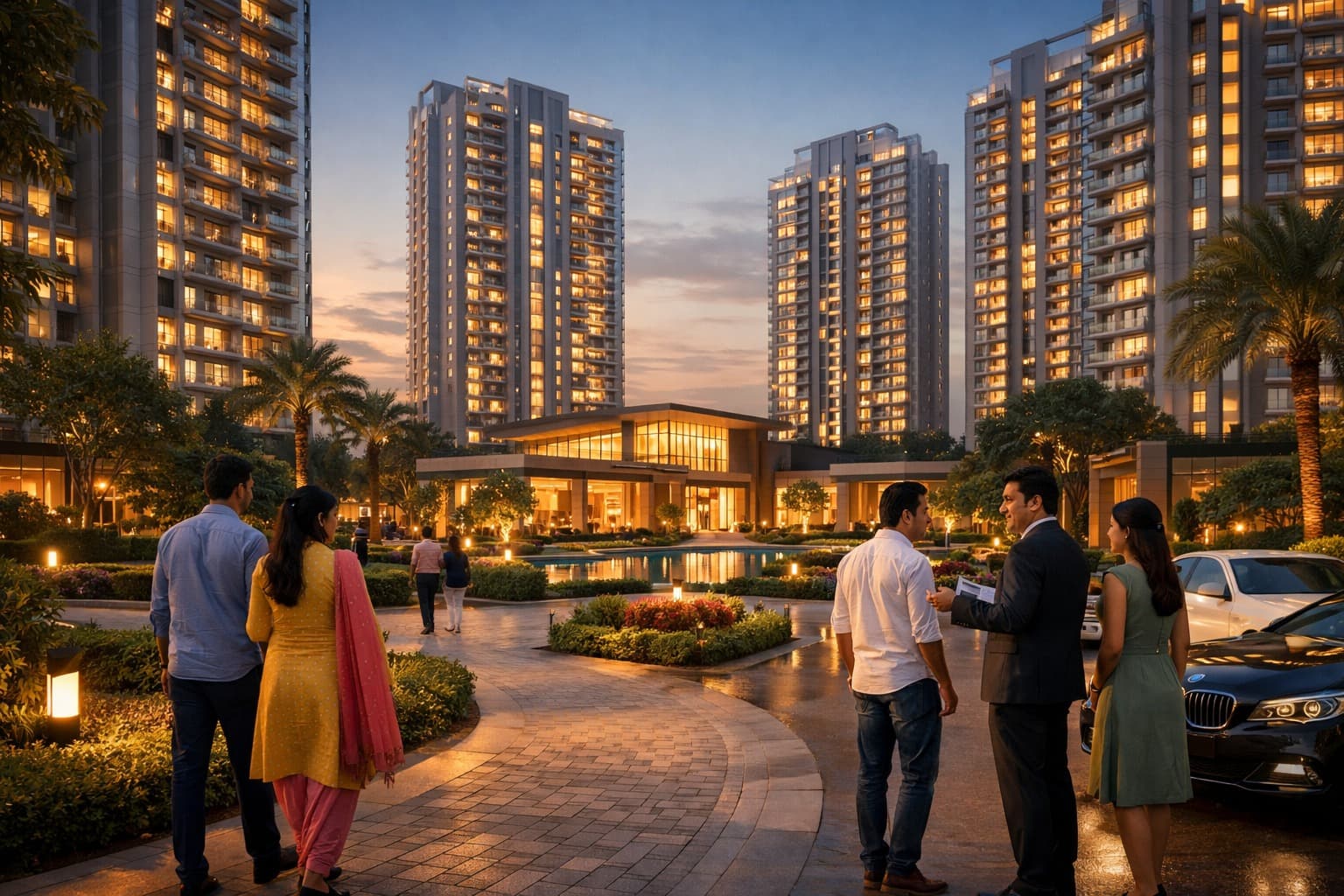
Plotted development in tier 2 cities has been one of the fastest-absorbing residential product categories in India for the past three years. Buyers in these cities have the income, the aspiration, and the preference for land ownership that makes plotted projects sell faster than comparable apartment supply. Godrej entering Nagpur and Coimbatore signals that the tier 2 land story has matured enough for a developer of its standing to deploy capital there with confidence.
What This Means for Buyers and Investors
When India's two most active listed residential developers collectively spend a full financial year acquiring land at this pace, it tells the market something simple and important: they expect demand to remain strong enough to absorb everything they are building. Land acquisitions of this scale are not taken lightly. The capital deployed in purchase prices, the opportunity cost of carrying undeveloped land, and the execution commitment required to convert these parcels into launched projects all represent serious financial bets.
Summary
Godrej Properties and Lodha acquiring over 25 land parcels in FY26 with a combined revenue potential exceeding Rs 1 lakh crore is a definitive statement of confidence in India's residential demand cycle. Godrej's Rs 42,000 crore pipeline spans tier 1 and tier 2 cities. Lodha's Rs 58,800 crore pipeline concentrates on premium MMR and metro demand. With both developers posting strong sales bookings in parallel, the land buying is backed by demonstrated market absorption rather than speculative optimism. For buyers and investors reading the market, few signals are more reliable than where India's best capitalised developers choose to put their money.
Video will be embedded from: https://www.youtube.com/watch?v=RkcS5Vrp1ec