
Gentrification and Its Effect on Property Values: How Neighborhoods Transform Over Time
Summary
Gentrification transforms neighborhoods through redevelopment, attracting new residents and boosting property values. While beneficial for investors, it can displace long-time residents. Balancing development with inclusivity is crucial for responsible urban growth.

Introduction
Many urban neighborhoods around the world are going through rapid change. Gentrification is one of the key forces behind this transformation. It happens when older localities receive new investments, better infrastructure, and improved lifestyle facilities. Slowly, these changes attract higher-income residents, and property values start rising. Gentrification and its effect on property prices and communities can be both positive and challenging. For real estate markets, the arrival of new buyers increases demand and boosts local property appreciation. However, long-time residents may find it difficult to manage the rising living costs. Understanding these real estate trends helps buyers, sellers, and policymakers plan more balanced development. In this article, we explore how redevelopment projects drive property appreciation, what signs reveal upcoming neighborhood change, and how urban renewal affects real estate prices in different types of housing markets.
What is Gentrification in Real Estate?
Gentrification refers to the process where older or underdeveloped areas experience improvement through redevelopment, renovation, and new business activity. As the quality of life increases, new businesses and modern housing enter the locality. Gentrification and its impact on property values in India is becoming more visible in metro cities, where land availability is limited. When a neighborhood becomes more desirable, property values rise, attracting investors and homebuyers who want long-term gains.
Urban Redevelopment and Property Price Growth
Urban redevelopment is one of the main triggers of gentrification. Governments and private developers renovate roads, improve public spaces, and replace old buildings with modern structures. These upgrades help neighborhoods become more attractive for new residents. As a result, how urban renewal affects real estate prices becomes clear through higher valuation and quicker sales. The arrival of retail outlets, metro stations, and commercial hubs increases convenience and lifestyle appeal, pushing property values upward.
Changing Demographics and Housing Trends
As gentrification progresses, the profile of the neighborhood changes. Younger professionals, higher-earning families, and investors show more interest in these improved areas. Changing demographics and housing trends lead to increased demand for modern apartments, co-living spaces, and premium rental homes. With rising competition, older tenants might get priced out because rents increase faster than incomes. This social shift shows both the growth and the challenges of gentrification.
Economic Effects of Gentrification on Housing
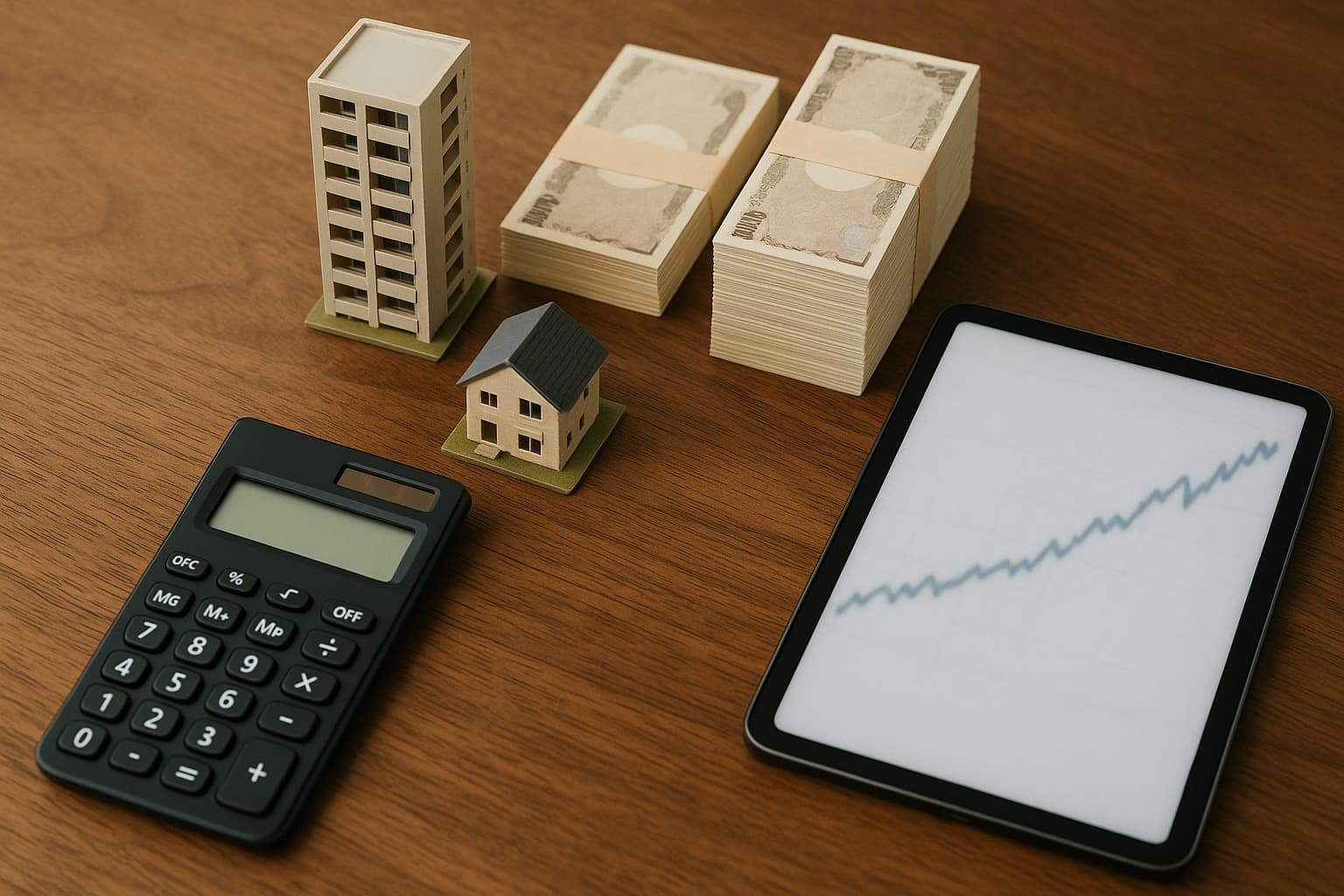
Gentrification boosts local business growth, real estate investments, and job creation. Property owners benefit through rising asset values. Real estate growth in redeveloped neighborhoods becomes stronger due to improved infrastructure and market visibility. However, increased prices may reduce affordability for lower-income households. Economic effects of gentrification on local housing must be reviewed carefully to ensure that development success does not create extreme inequality.
Community Transformation and Lifestyle Changes
Neighborhood transformation and real estate value growth often come with a major lifestyle shift. New cafes, parks, gyms, and branded retail outlets start appearing. This enhances social engagement and overall satisfaction for residents. Local culture evolves as the area becomes more modern and aspirational. While the environment improves, older community bonds may break as native residents relocate to cheaper locations. Balancing affordability and development in urban housing becomes essential to preserve social diversity.
Signs of Gentrification in Metro Housing Markets
There are clear signs of gentrification in metro real estate markets. These include: Sudden increase in property renovation activities Entry of reputed developers and luxury housing projects Rapid rent escalation in previously affordable areas New dining, entertainment, and shopping facilities Strong demand for homes from young professionals When these changes appear together, it signals that property appreciation is likely to continue.
Investor Opportunities in Redeveloping Neighborhoods
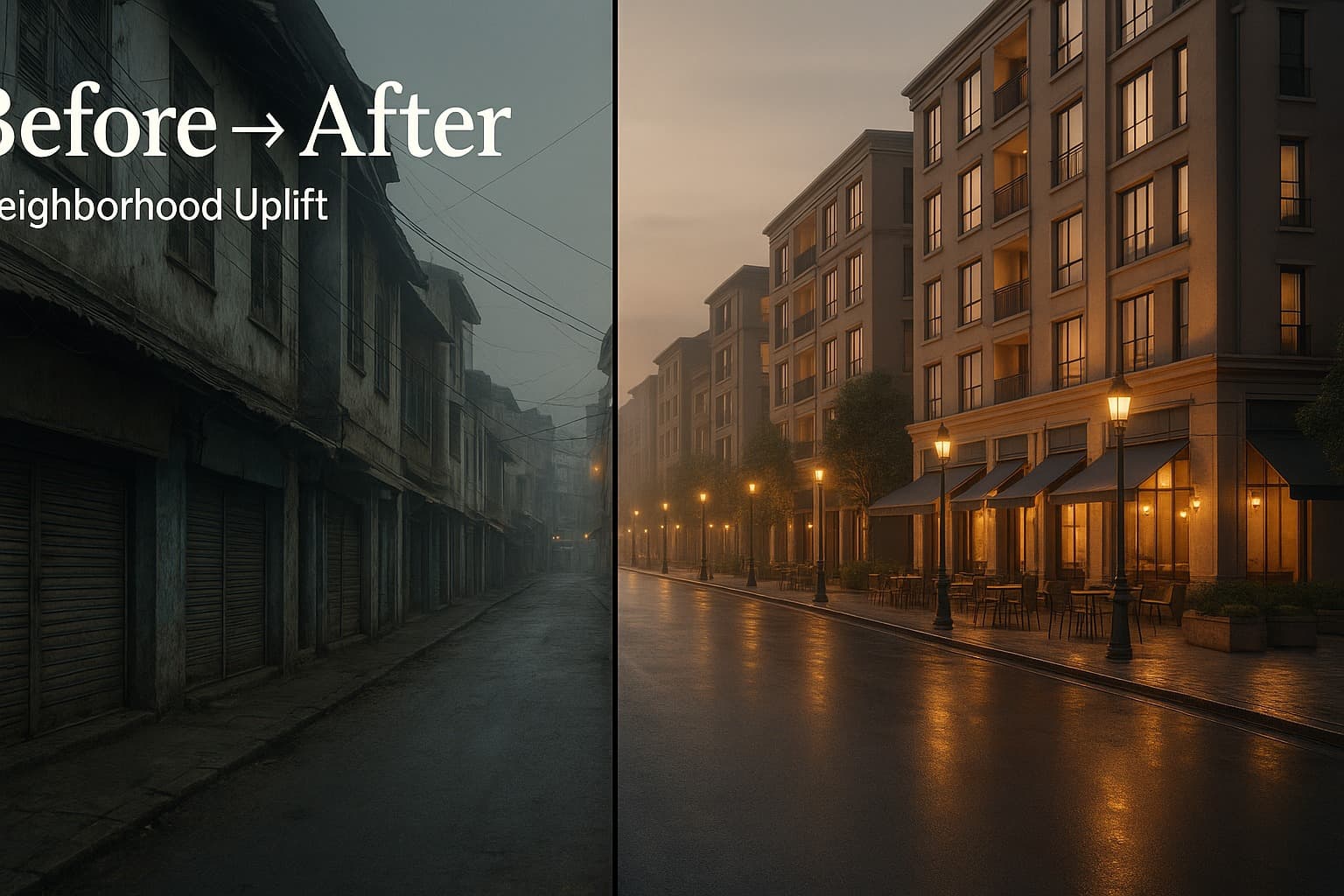
Investors closely track emerging neighborhoods because early entry can lead to high returns. Buying property in the initial phase of gentrification often yields maximum appreciation when the area becomes fully developed. However, investors must study long-term plans and infrastructure commitments to avoid speculative risks. Gentrification supports real estate value growth but requires careful evaluation of social impact and regulatory approvals.
Balancing Development with Inclusivity
While rising property values benefit many, the biggest drawback of gentrification is displacement of long-time residents who cannot afford higher expenses. The challenge is to ensure development while protecting affordability. Policymakers and developers can work together to provide rental support, mixed-income housing, and community participation in decision-making. Smart and sustainable development requires a sensitive approach that helps both new and existing residents grow together.
Future Outlook: Responsible Gentrification
Cities will continue to redevelop older regions because land scarcity pushes growth into older neighborhoods. Future projects may increasingly focus on adding sustainability, smart technology, and environmentally responsible solutions. Gentrification and its effect on property values will remain an important factor for homebuyers and investors. Ensuring equal access to improved amenities, transport, and housing options will help maintain balanced community development. Responsible urban planning can ensure that modernization supports economic upliftment without losing cultural identity.
Summary
Gentrification transforms older neighborhoods through redevelopment and rising property demand. As infrastructure and lifestyle improve, real estate prices increase and attract new residents. Property owners and investors benefit from value appreciation, while rental demand also rises. However, affordability challenges may push lower-income families away, creating social imbalance. Signs of gentrification include better facilities, stronger demand, and new commercial activity. To ensure fair growth, city planners must balance modern development with inclusive housing options so residents can enjoy progress together.