
Furnished vs. Unfurnished Rentals: A Landlord's Guide to Maximizing ROI in India
Summary
Confused about furnished vs. unfurnished rentals in India? This guide helps landlords maximize ROI by analyzing tenant preferences, rental yields, and maintenance costs in different Indian cities. Choose the right option based on your financial goals.

Introduction
Landlords across India often reach a point where they must decide whether to offer a furnished rental or keep their home as an unfurnished flat. As the rental market grows and tenant expectations evolve, this choice becomes increasingly important. Factors like property rent, neighbourhood demand, furnishing cost, and long-term occupancy trends all influence the final decision. With rising competition in the rental space, understanding what tenants want and what brings better rental ROI is essential.
This blog simplifies the entire debate in a clear, friendly manner and explains how different rental setups perform in India. You will find real market behaviour, practical landlord experiences, and simple explanations to help you decide which rental format suits your goals best.
Understanding the Two Rental Categories Clearly
Before comparing returns and profits, it is necessary to understand how the two rental options actually differ. A furnished rental generally includes basic and essential furniture such as beds, wardrobes, sofas, dining tables, and appliances like a fridge, washing machine, microwave, and sometimes even décor items. These homes are ready for immediate move-in and attract tenants who want convenience.
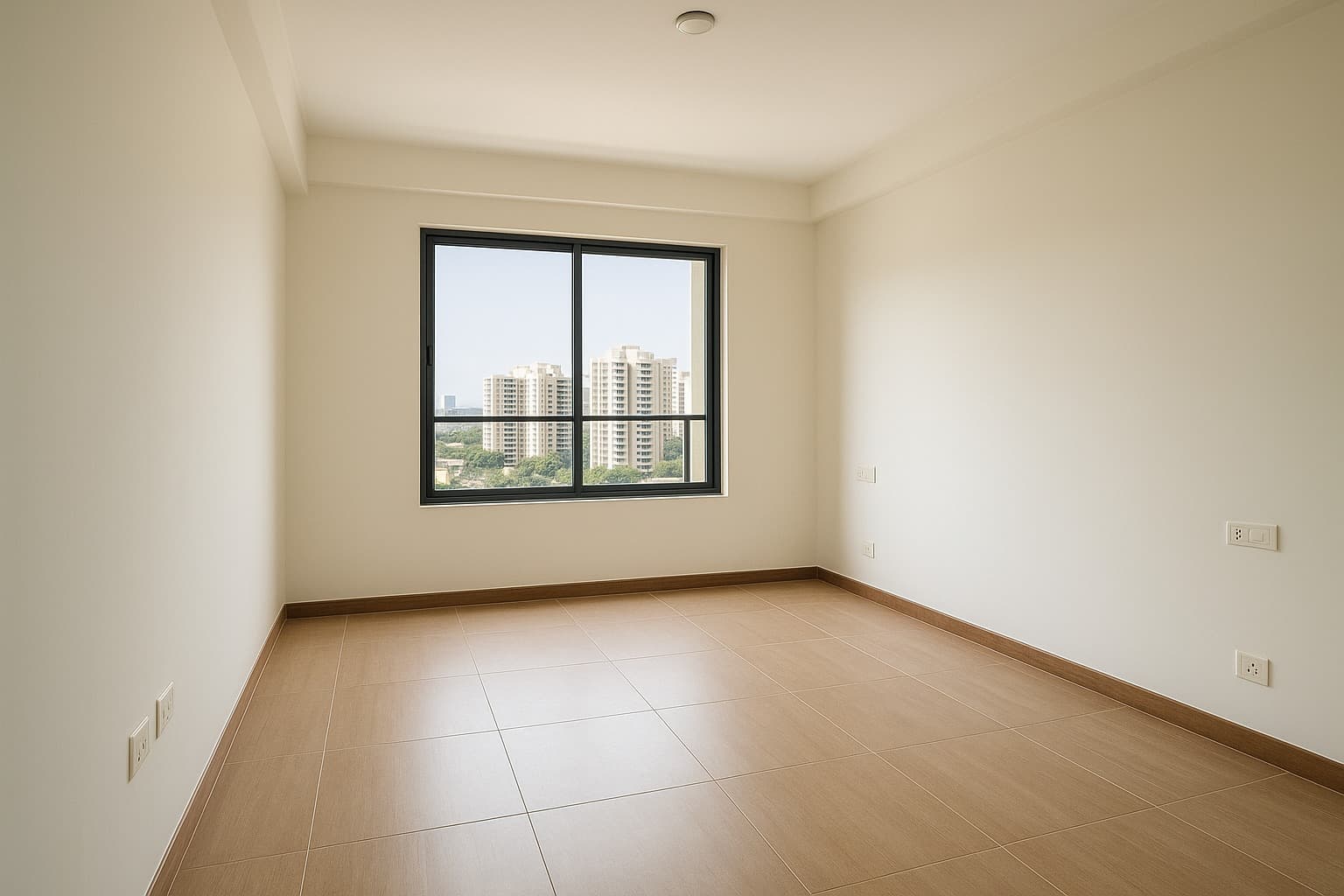
An unfurnished flat, by contrast, usually includes only basic fixtures—fans, lights, essential plumbing fittings, and sometimes wardrobes. This affects the upfront cost for the landlord and the kind of tenants the property appeals to.
This difference makes the furnished vs unfurnished rental property comparison important for every landlord who plans their property as an income-generating asset.
Pros and Cons of Furnishing Your Rental Property
Providing a fully furnished home comes with clear benefits, especially in cities that attract a large number of working professionals, students, and short-term tenants. Fully furnished rentals reduce the burden of shifting furniture, which makes them more attractive.
Key advantages include:• Higher rental income potential• Faster occupancy since tenants prefer ready homes• Better appeal for corporate clients or shared-living tenants
Challenges include:• Higher initial investment on furniture and appliances• Regular repairs and replacements• Greater wear and tear due to frequent tenant turnover
These points are commonly highlighted in the pros and cons of furnishing your rental property, where landlords must balance higher rent with higher maintenance.
Why Many Owners Still Prefer Unfurnished Flats
Even though furnished homes seem profitable, many landlords prefer renting out an unfurnished flat. These flats are easier to maintain and attract long-term tenants like families who already own their furniture.
Benefits include:• Almost no maintenance responsibilities• Lower upfront expenses• Longer tenant stays, reducing vacancy cycles

However, rent for unfurnished flats is usually lower than for furnished ones. This makes the cost and maintenance difference between both types an important consideration before choosing a rental model.
Which Rental Type Gets Better Rent in India?
A commonly asked question is: Which rental type gets better rent in India?
In cities with high migration—Bangalore, Hyderabad, Pune, Gurgaon, and Mumbai—furnished rentals earn significantly better rent because tenants value convenience, flexibility, and immediate usability. These homes also attract students and corporate tenants who do not want the expense of buying furniture.
Meanwhile, in family-driven markets like Jaipur, Lucknow, Coimbatore, or Kolkata, unfurnished homes perform better because families prefer long-term stays and prefer setting up the house themselves.
This variation across cities affects both property rent and the expected rental ROI.
How to Decide Whether to Furnish Your Rental Property
If you’re unsure which rental style is right for your property, think about a few key factors before deciding. Start by considering who your tenants are likely to be—students and working professionals usually prefer fully furnished homes because they want convenience, while families often choose unfurnished spaces so they can set up the home according to their needs. Next, observe the rental trend in your locality; areas near IT parks, colleges, and commercial hubs typically attract tenants who expect furnished units. You should also assess whether you’re willing to handle ongoing repairs and upkeep, since furnished homes require more attention and maintenance. Finally, review your budget for furnishing, as good-quality furniture and appliances demand proper investment and occasional replacement.
These practical points form the basis of how to decide whether to furnish your rental property, especially helpful for new landlords.
Furnished vs Unfurnished Rentals: Which Is More Profitable for Landlords?
Profitability is not just about how much rent you charge. It also includes ongoing expenses and the stability of your tenant-base. This makes the furnished vs unfurnished rentals: which is more profitable for landlords question very important.
Furnished rentals:• Earn 20%–40% higher rent• Have faster tenant turnover• Require furniture upkeep
Unfurnished rentals:• Earn lower but steady rent• Attract long-term families• Have minimal maintenance expenses
If your goal is consistent and predictable income, unfurnished rentals may be better. If you prefer higher rent and do not mind managing maintenance, furnished rentals perform well.
Rental Yield Insights for Today’s Investors
Today’s investors do not look only at monthly rent—they evaluate rental yield. According to market data, the Real estate guide on rental yield for furnished homes shows that furnished properties can offer better yields when managed well.
The pros, cons, and ROI comparison of furnished flats indicates that profitability depends on selecting strong, durable furniture and maintaining the unit regularly. However, investors who want long-term stability with fewer surprises often find unfurnished homes more predictable.
Why Tenant Appeal Matters in Your Decision
Your rental income depends heavily on who your tenants are and what they want. In urban areas, tenant appeal and rental trends in furnished homes show that move-in ready homes are preferred by mobile tenants. These renters care more about convenience than personalising the space.
Families, meanwhile, value space, stability, and the freedom to arrange their home as they like. Understanding tenant demand in your neighbourhood ensures steady occupancy and strong returns.
Summary
Choosing between a furnished rental and an unfurnished flat depends on your tenant type, budget, and long-term rental strategy. Furnished homes bring higher property rent but also come with higher maintenance and more frequent turnover. Unfurnished homes attract stable tenants and offer lower effort with predictable rental ROI. A detailed furnished vs unfurnished rental property comparison shows both formats can be profitable. By considering tenant preference for furnished rentals, your costs, and local trends, landlords can select the option that best suits their financial goals.