
Fadnavis Sets a Global Benchmark: Dharavi to Be Rebuilt on Singapore and Hong Kong Lines
Summary
Fadnavis's Dharavi redevelopment sets a global benchmark, inspired by Singapore/Hong Kong models. It targets 10,000 homes by March 2028, prioritizing human development, local jobs, culture, and environmental preservation.

A Landmark Review With Global Ambitions
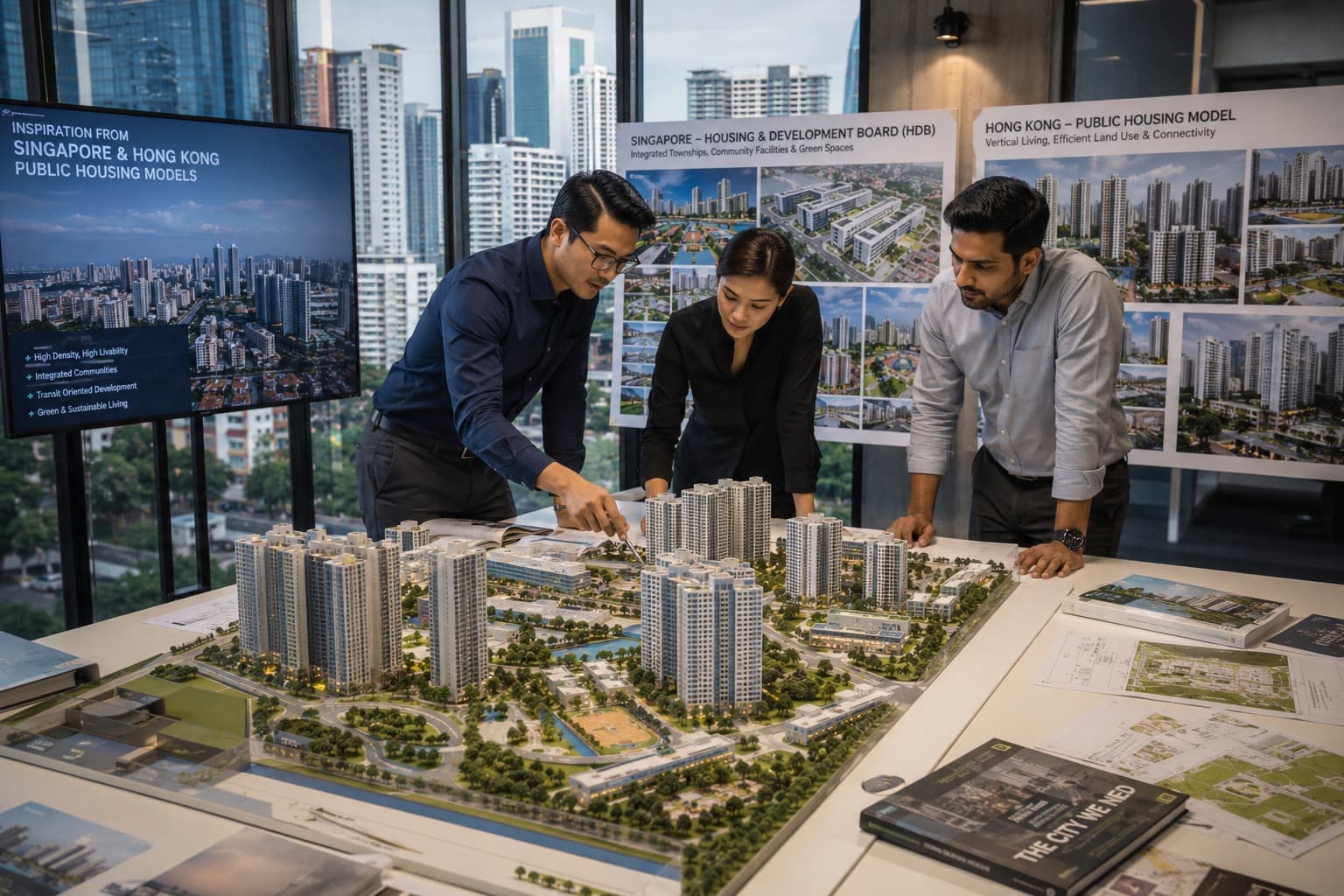
Mumbai's most talked-about urban transformation got a sharper direction on June 8, 2026. Dharavi redevelopment project Fadnavis chaired a high-level review meeting at Sahyadri Guest House in Mumbai, walking away with one clear directive for everyone in the room: build this the way Singapore and Hong Kong built theirs.
Dharavi redevelopment to follow Singapore and Hong Kong housing model is not just a headline. It is a signal about the kind of city Mumbai's government wants to see when this project is done. Not just taller buildings where cramped lanes used to be. A genuinely planned, liveable, globally competitive urban district in the heart of the country's financial capital.
What Fadnavis Actually Said
The Chief Minister was direct about one thing: Dharavi redevelopment is not a construction programme. It is a human development programme. The buildings are the outcome, not the purpose. He stressed that residents, their employment, and Dharavi's distinctive character must remain central to every decision taken during this process.
That may sound like standard political language, but the specific instructions that followed at the meeting suggest something more substantive. Fadnavis reportedly directed officials to safeguard jobs and businesses across the entire industrial ecosystem that has made Dharavi housing and commerce a world unto itself.
10,000 Homes by March 2028
Numbers matter here. The first phase deadline has been locked at March 2028, with a target of at least 10,000 homes handed over to eligible residents within that window. Dharavi 2028 is not a distant aspiration anymore. It is a tracked commitment with a specific number attached to it.
To make sure approvals do not become the bottleneck they so often are in large Indian infrastructure projects, Fadnavis ordered the creation of a special single-window clearance cell. Paperwork delays have historically killed timelines on Indian urban renewal. This time, there is at least a structural mechanism being built to prevent that.
Protecting the Soul of Dharavi
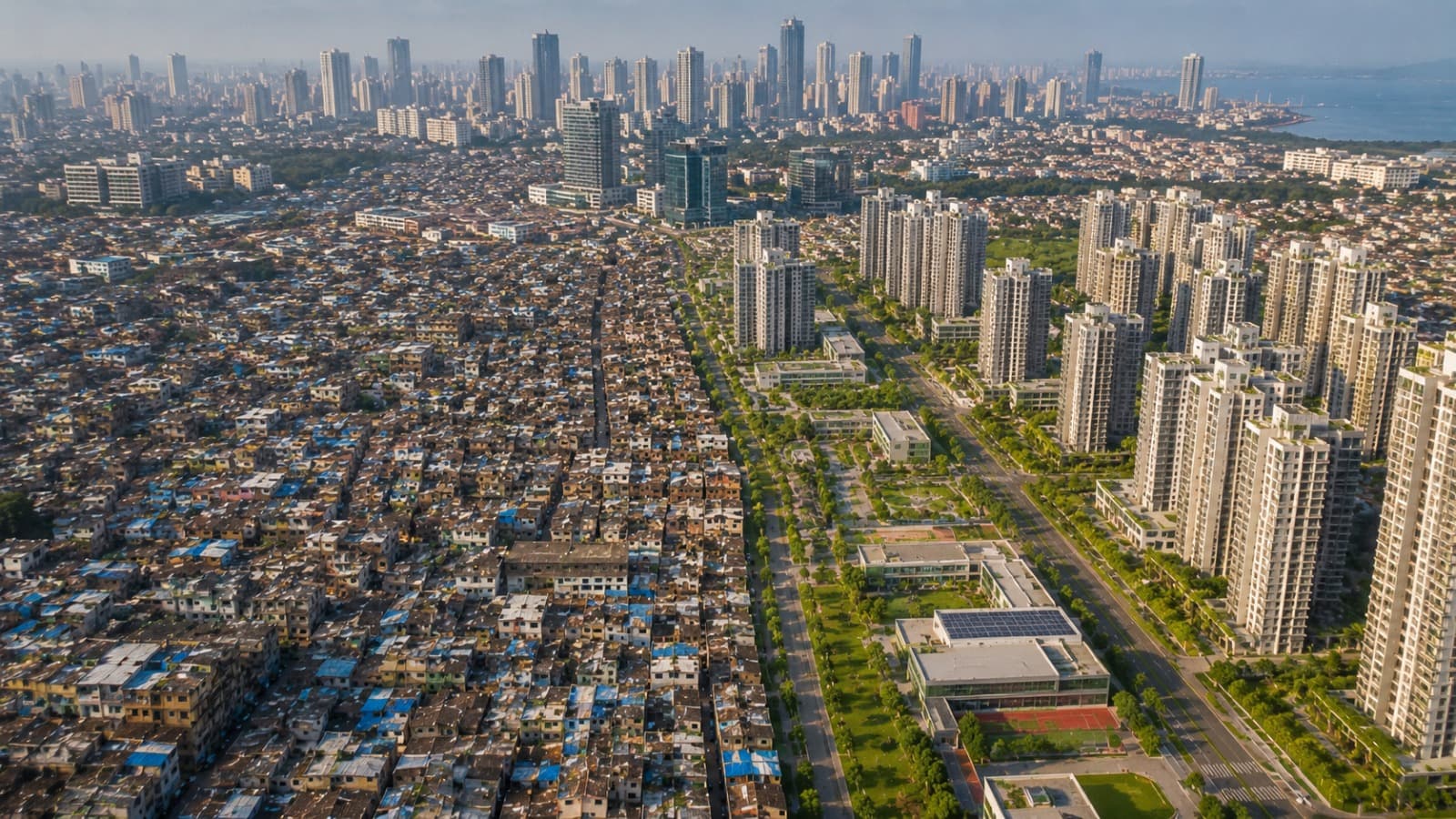
Here is what makes this Mumbai urban renewal project genuinely complicated: Dharavi is not just a slum. It is one of the most productive informal economies anywhere in Asia, with thriving industries in leather, textiles, food, recycling, and pottery generating enormous annual turnover from a patch of land under three square kilometres.
Officials at the meeting confirmed that dedicated MSME schemes are being designed for Dharavi's key sectors. Cloud kitchen facilities are being planned for food businesses. And the Kumbharwada pottery hub preservation Dharavi issue got personal attention from the Chief Minister himself. He described Kumbharwada as both a cultural landmark and a tourism asset, directing officials to consult local stakeholders before any decisions are taken about its future.
An ecological thread runs through the plan too. A Nature Park concept has been included, with directions for tree transplantation and fresh plantation drives to maintain green cover within the redeveloped zone.
The Adani Partnership and What It Means
The project is being executed through a joint venture between the Maharashtra government and Adani Realty under the entity Navbharat Mega Developers. The scale is staggering: Dharavi project spans roughly 600 acres in central Mumbai and is considered one of the largest urban renewal undertakings in the world.
Fadnavis closed the review with a statement worth remembering. With proper departmental coordination, he said, this project can give Mumbai a new global identity.
Summary
Dharavi redevelopment to follow Singapore and Hong Kong housing model marks a turning point in how India thinks about slum transformation. Chief Minister Fadnavis has set a target of 10,000 homes by March 2028 in the first phase of this Mumbai urban renewal project, with dedicated MSME support, Kumbharwada pottery hub preservation, and ecological planning built into the blueprint. Dharavi redevelopment by Adani and the Maharashtra government now carries the weight of an international standard, and the clock is ticking.