
Dharavi Redevelopment: Land Handover and Its Impact on Mumbai’s Housing Landscape
Summary
The Dharavi redevelopment gains momentum with the handover of 118 acres in Malad for resident rehabilitation. This project, led by the Adani Group and SRA, aims to improve living conditions and transform Mumbai's housing landscape.

Introduction
The latest Dharavi redevelopment update has brought a major shift in Mumbai’s largest urban renewal project. In February 2026, the Maharashtra government handed over 118 acres of land in Malad-Malvani to the Slum Rehabilitation Authority for rehabilitating Dharavi residents. This move marks an important step in solving long-standing housing issues in Asia’s largest slum cluster. For residents, investors, and urban planners, this development highlights how the Mumbai slum redevelopment vision is slowly taking shape, though not without challenges.
Background of the Dharavi Redevelopment Project
Dharavi has long been at the centre of Mumbai’s redevelopment discussions. With nearly 10 lakh residents and thousands of informal businesses, transforming the area has always been complex.
The project gained momentum in 2022 when the Adani Group won the bid to redevelop Dharavi. Since then, planning, surveys, and land identification have been underway. The current Dharavi housing project aims to provide better living conditions while preserving livelihoods.
Details of the Malad Land Handover
The recently transferred land is located at Mukteshwar in the Malvani area of Malad. Spread across 118 acres, the plot has been handed over to the SRA for rehabilitation purposes.
This Malad rehabilitation land will primarily be used to house residents who cannot be accommodated within Dharavi itself. These include people living on upper floors and those who settled between 2011 and 2022.
Out of 140 acres originally identified, 22 acres remain under litigation, which may delay further development.
Role of SRA and Adani Group
The project is being implemented by Navbharat Mega Developers Pvt Ltd, a joint venture between the Maharashtra government and the Adani Group.
While the ownership of land remains with the SRA, development rights lie with the Adani Group’s SPV. This Adani Dharavi redevelopment project structure ensures government oversight alongside private sector efficiency.
The developer has paid ₹135 crore as premium for development rights, while the land’s estimated value is around ₹540 crore.
Purpose of the Malad Rehabilitation Site
Not all Dharavi residents can be rehabilitated within the original locality. Space constraints make in-situ rehabilitation limited.
Therefore, the Malad site will house ineligible residents under the Dharavi resettlement scheme Mumbai. Some families will be relocated to rental housing complexes under hire-purchase arrangements.
This approach allows Dharavi to be decongested while ensuring shelter for displaced residents.
Housing Specifications and Entitlements
Under Maharashtra’s Slum Rehabilitation Act, every eligible resident will receive one housing unit.
Each unit will measure 350 sq ft, which is larger than the standard 300 sq ft in earlier projects. This upgrade reflects an attempt to improve living standards.
Regardless of how many tenements a person owned, only one unit will be allotted, promoting fairness in distribution.
Scale of Rehabilitation Across MMR
The Malad land is part of a larger land bank strategy. The state has identified nearly 540 acres across the Mumbai Metropolitan Region for rehabilitation.
These include parcels in Kurla, Kanjur, Bhandup, Mulund, and parts of Deonar. Together, these sites will help construct 1.25 to 1.5 lakh homes.
This forms the backbone of the Maharashtra government Dharavi project, aiming to relocate and rehabilitate nearly 10 lakh people.
Sale Component and Commercial Development
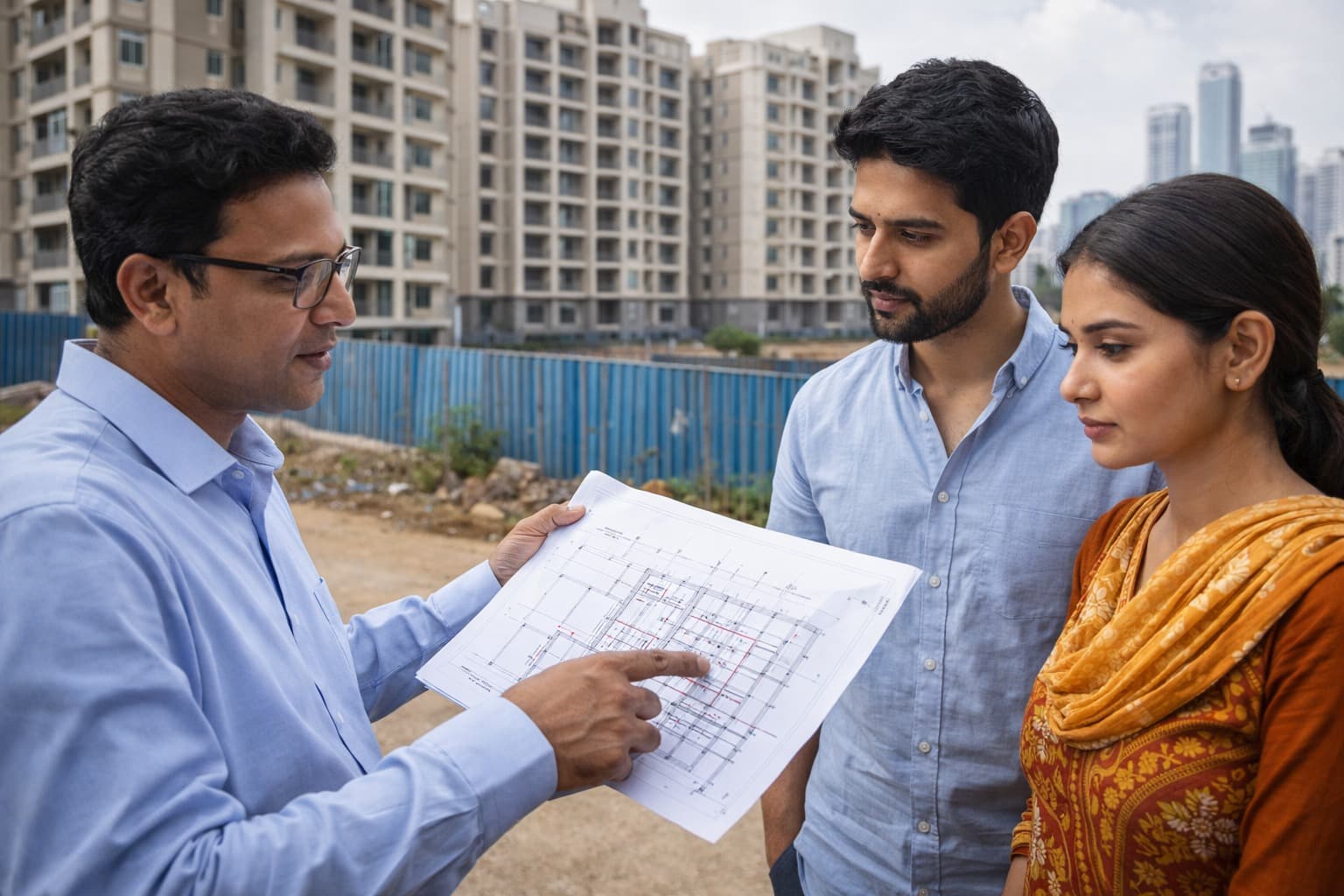
Apart from rehabilitation, part of the Malad plot will be used for open market housing.
The Adani Group is expected to construct apartments under the sale component. Revenue from these sales will help fund the rehabilitation work.
This mixed-use approach balances social housing with commercial viability.
Social and Economic Implications
Relocation always brings emotional and economic challenges. Many Dharavi residents run small businesses within their homes.
Moving them to Malad may disrupt livelihoods, at least initially. Longer commutes, new markets, and social adjustment will be required.
However, better housing, sanitation, and legal ownership can improve long-term quality of life.
Urban Planning Perspective
From an urban planning view, this project represents a shift from piecemeal redevelopment to large-scale transformation.
The Dharavi redevelopment Malad land handover reflects the government’s attempt to create planned housing clusters instead of informal settlements.
If executed well, this model could be replicated in other high-density slum areas.
Legal and Administrative Challenges
One major concern remains land litigation. The pending 22 acres could slow down construction timelines.
Clearances, environmental approvals, and infrastructure provisioning will also take time. Coordination between multiple agencies is crucial.
Past slum redevelopment projects in Mumbai have suffered delays due to such issues.
Timelines and Implementation Plan
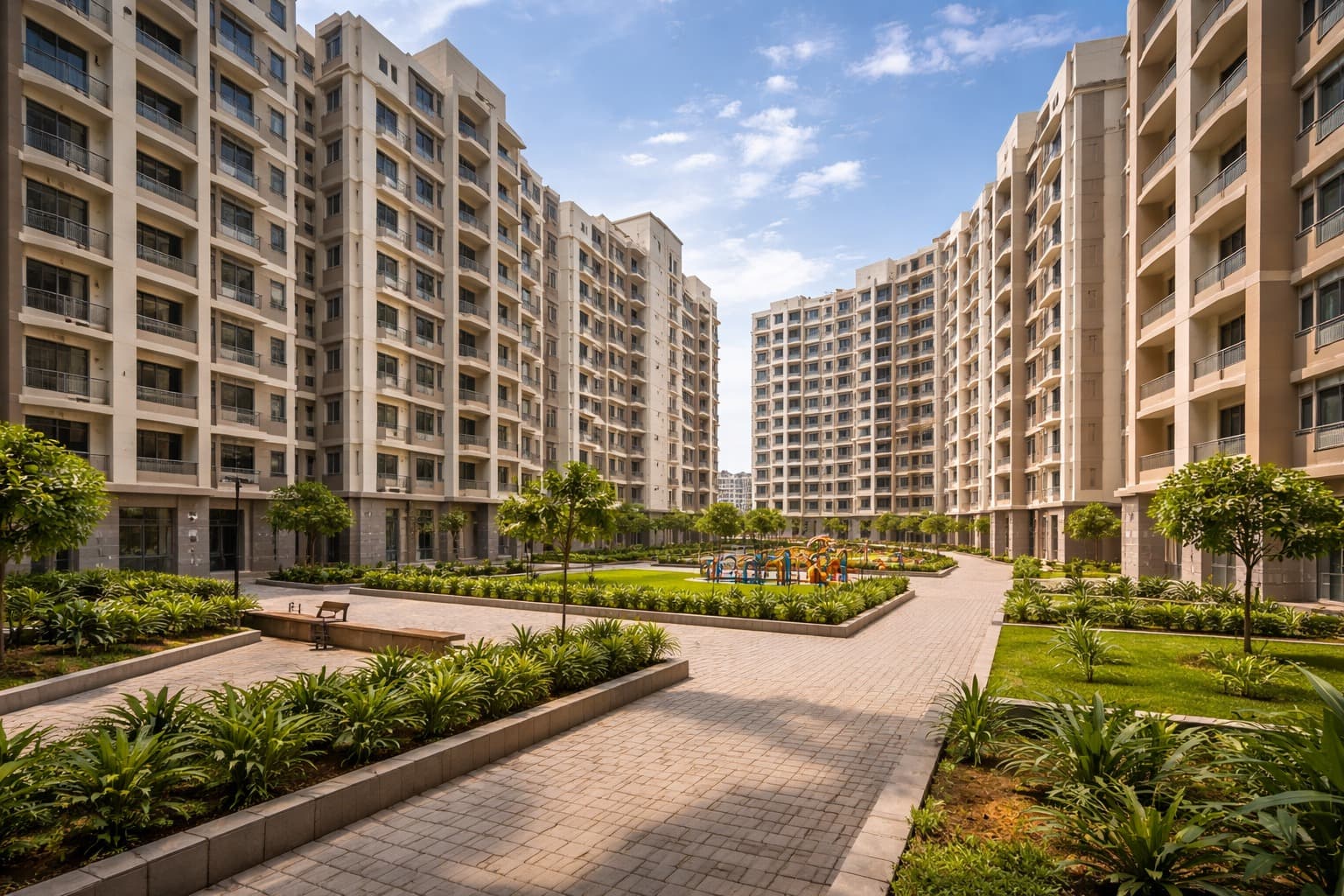
NMDPL has been given seven years to construct rehabilitation homes. The overall redevelopment is planned over 17 years.
This long horizon shows the project’s complexity. The Mumbai Dharavi slum redevelopment resettlement process update 2026 suggests that while progress is visible, patience will be required.
Regular monitoring will be essential to avoid cost overruns and delays.
Impact on Surrounding Real Estate Markets
The Malad-Malvani region is likely to see increased development activity. New housing clusters will require roads, schools, hospitals, and markets.
Property values in nearby areas may rise due to improved infrastructure. At the same time, pressure on civic amenities could increase.
Developers and planners must manage this growth carefully.
Public Response and Community Participation
Residents’ acceptance will determine the project’s success. Transparent communication, grievance redressal, and fair allotment are necessary.
Community engagement can reduce resistance and build trust. Without it, large-scale rehabilitation risks social unrest.
Future Outlook
The handover of land is a positive signal. It shows administrative readiness and political commitment.
If construction begins on schedule, confidence in the complete guide to Dharavi redevelopment rehabilitation housing project will grow.
However, sustained effort, funding discipline, and social sensitivity are needed for long-term success.
Conclusion
The transfer of 118 acres in Malad for Dharavi rehabilitation is a major milestone in Mumbai’s urban renewal journey. It strengthens the foundation of India’s largest slum redevelopment project and reflects coordinated efforts between the government and private developers. While challenges related to relocation, execution, and timelines remain, the initiative offers hope for better housing and dignified living conditions. Its success will depend on transparent implementation and continuous community engagement.
Summary
The Maharashtra government’s handover of 118 acres in Malad-Malvani for Dharavi rehabilitation marks a significant step in Mumbai’s largest redevelopment project. The land will house residents ineligible for in-situ rehabilitation, supporting the construction of over one lakh homes across MMR. Led by the Adani Group and SRA, the project aims to upgrade living standards through 350 sq ft housing units. Despite legal and logistical challenges, the initiative reflects long-term commitment toward structured urban renewal and improved housing for Dharavi residents.
Video will be embedded from: https://www.youtube.com/watch?v=jZNX9oYI6SY