
Delhi's Government Housing Revolution: A Decades-Long Makeover
Summary
Delhi's government housing undergoes a massive makeover with 2,722 new flats inaugurated and 6,632 more planned. This NBCC-led redevelopment, funded by commercial spaces, replaces old units with modern homes and commercial hubs, transforming Central Delhi.

Delhi's Government Housing Gets Its Biggest Makeover in Decades
Introduction
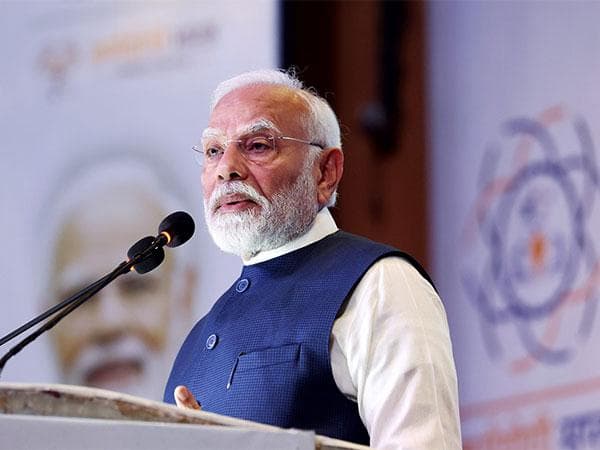
On International Women's Day, March 8, 2026, Prime Minister Narendra Modi handed over keys to 2,722 brand new GPRA flats in Delhi to women central government employees at an event joined by Delhi Chief Minister Rekha Gupta and Union Housing Minister Manohar Lal Khattar. The same day, he laid the foundation stone for an additional 6,632 units in the next phase. This is not a routine housing announcement. It is the most significant transformation of Central Delhi's residential fabric in living memory, and its implications stretch well beyond government service quarters.
What GPRA Actually Is and Why It Matters
General Pool Residential Accommodation is the housing system through which the central government provides flats to its employees posted in Delhi. For decades, a large portion of this stock consisted of aging, low-rise Type II and Type III quarters spread across leafy Central Delhi colonies. Many of these buildings were structurally tired, poorly maintained, and consuming land in one of India's most valuable urban zones at a fraction of its potential density.
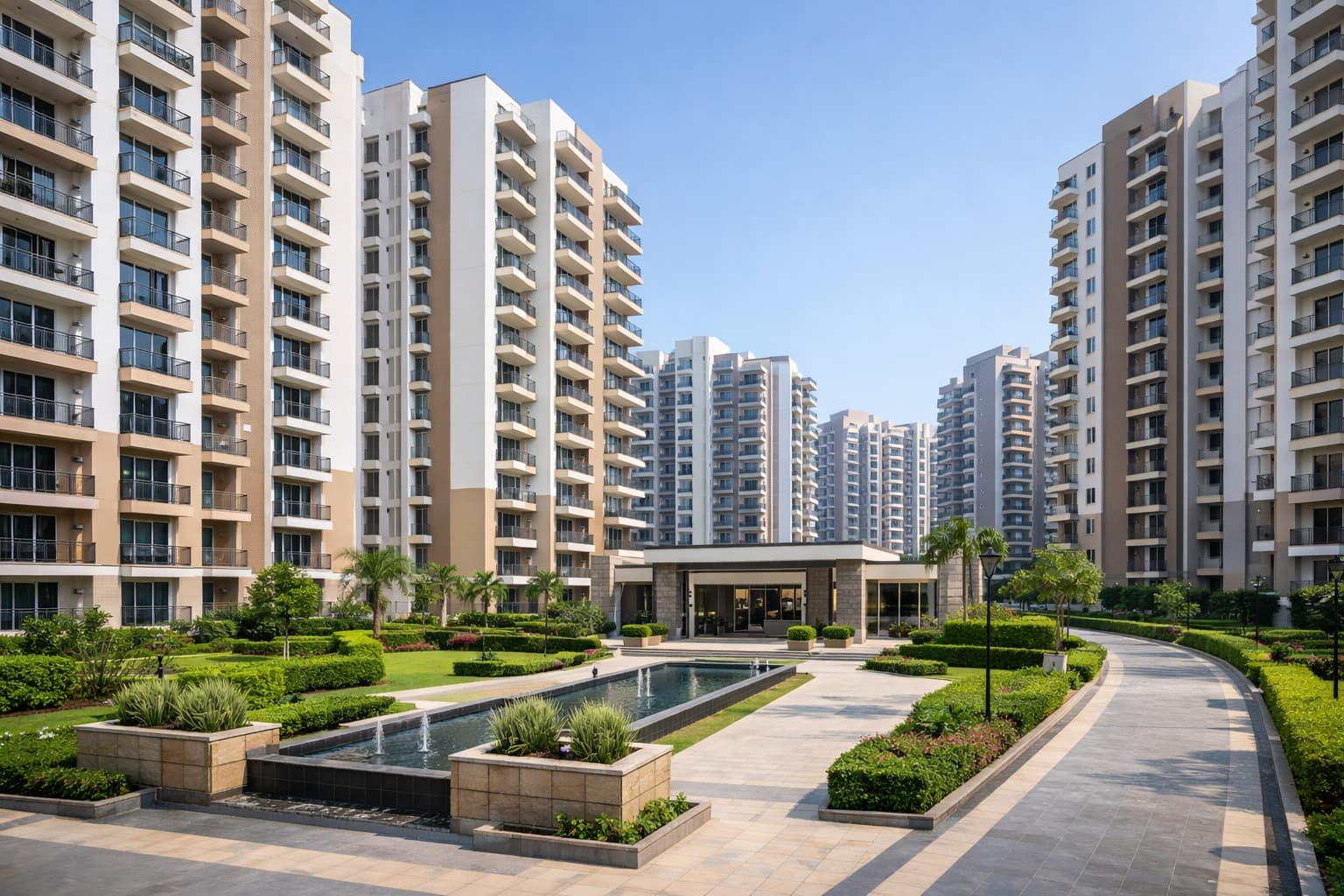
The redevelopment being executed by NBCC, the National Buildings Construction Corporation, replaces this aging inventory with modern high-rise towers carrying contemporary amenities, energy-efficient design, and a far more rational use of available land.
The Full Scale of What Is Being Built
The numbers behind this project are striking. The overall plan targets replacing 12,970 old dwelling units with a total of 24,917 modern homes across the affected colonies. The first phase, covering Kasturba Nagar and Sarojini Nagar, has delivered 2,722 units now handed over. The next phase targets Netaji Nagar and Sriniwaspuri, with 6,632 more units moving into construction.
Nearly doubling the housing stock on the same land footprint is what makes this a genuinely landmark urban exercise rather than a simple renovation programme.
The Self-Funding Model That Makes This Possible
What separates this redevelopment from typical government housing projects is its financing structure. Rather than drawing entirely from the central budget, NBCC's Delhi redevelopment self-funding model generates revenue by commercialising portions of the redeveloped land. Premium office spaces and commercial hubs built within the project zones, including the World Trade Centre at Nauroji Nagar and a commercial development at Sarojini Nagar called Downtown, are sold to recover construction costs.
This approach was first tested successfully at East Kidwai Nagar and is now being scaled across the broader Central Delhi colonies. The logic is clean: government housing gets upgraded without burdening the exchequer, and commercial value is unlocked from underutilised centrally located land.
Bharat Business Park: The Commercial Piece
Alongside the residential overhaul, a major commercial asset is taking shape. Bharat Business Park Delhi will deliver approximately 217,000 square metres of premium office space designed around sustainability and energy efficiency principles. The commercial valuation of this component alone stands at roughly Rs 2,270 crore.
Once operational and open for leasing in the fourth quarter of 2026, this park is expected to compete directly with established commercial hubs in Delhi's premium office market, including Aerocity and select Connaught Place addresses. For businesses looking at Central Delhi office space, this development adds a credible new supply option in an otherwise constrained zone.
What This Means for Central Delhi's Real Estate Character
The Sarojini Nagar and Kasturba Nagar GPRA redevelopment will permanently alter the neighbourhood character of these colonies. Central Delhi's bungalow-belt identity, defined by wide setbacks, mature trees, and low-rise density, is giving way to vertical residential towers and mixed-use commercial development. That is a trade-off that urban planners and local residents will debate for years.
The environmental cost of this density shift, particularly the displacement of old-growth tree cover in these historically green zones, remains a legitimate concern that local activists have raised consistently. The sustainability credentials built into the new towers address energy efficiency. They do not fully replace what large mature trees contribute to an urban microclimate.
The Women Beneficiary Angle
Choosing International Women's Day for the handover was clearly intentional. The PM directly interacted with women construction workers and engineers from NBCC who built the project, and the first 2,722 allotments were prioritised for women government employees. The event extended to Burari later in the day, where Ayushman Bharat cards and PM Svanidhi credit cards were distributed specifically to women beneficiaries.
This framing positions the GPRA handover within the broader Nari Shakti development narrative, connecting a real estate event to a wider social policy story in a way the government clearly wanted visible.
What Comes Next and When
The allotment process for the first 2,722 units is expected to be completed before March 2026 ends. The tendering process for the 6,632-unit next phase is being handled by CPWD. And the Bharat Business Park commercial leasing is targeted for the final quarter of 2026, which would mark the functional completion of the Nauroji-Sarojini commercial corridor.
For central government employees watching allotment queues, the advice is to review updated GPRA 2026 guidelines carefully, as priority criteria may have evolved to formally integrate household category preferences.
Summary
PM Modi inaugurating 2,722 GPRA flats in Delhi on March 8, 2026 and laying the foundation for 6,632 more marks a turning point for Delhi government housing. The NBCC self-funding redevelopment model replacing 12,970 old units with 24,917 modern homes across Kasturba Nagar, Sarojini Nagar, Netaji Nagar and Sriniwaspuri is the city's most ambitious residential upgrade in decades. Combined with Bharat Business Park Delhi adding 217,000 square metres of premium commercial space, this project reshapes Central Delhi's real estate landscape comprehensively and irreversibly.
Video will be embedded from: https://www.youtube.com/watch?v=v5uzCV-9-9M