
DDA Schemes 2026: Who Should Actually Apply and What Needs Your Attention First
Summary
DDA Schemes 2026 offer diverse options for various income groups, from affordable EWS units to premium high-rises. This guide helps you navigate eligibility, application processes, and critical checks like possession and location to ensure you apply for the right scheme.

What Is Available Right Now
The Delhi Development Authority is not running a single scheme in 2026. It is running several simultaneously, each shaped for a different income group, each using a distinct allotment method, and each carrying its own conditions and locations. Understanding which one aligns with your situation is the first thing to sort out, well before the application process, well before the documents.
Two schemes are drawing the most attention right now. The Nagrik Awaas Yojana targets buyers in the lower-income bracket with genuinely accessible pricing. The Towering Heights Karkardooma Phase 2 sits at the premium end, designed for upper-income buyers who want a government-backed high-rise in a well-connected East Delhi location.
What the Nagrik Awaas Yojana Is Actually Offering
This scheme works on a First-Come-First-Served basis through the DDA Awaas portal online. Flats are available for direct booking in real time. You log in, browse available inventory, select a unit, and complete payment. What is listed today may be taken by someone else by tomorrow morning.
Starting prices run from around ₹9 lakh for the most affordable EWS units. LIG flats vary depending on floor and location. EWS eligibility covers households with annual income up to ₹3 lakh. LIG covers those earning between ₹3 lakh and ₹6 lakh annually. Both categories may qualify for PMAY interest subsidies, which can bring the actual cost of ownership meaningfully below the listed headline price.
The FCFS model removes the long waiting period of the older lottery system. If you qualify, you apply, select, and book. Speed matters more than luck here.
What Towering Heights Karkardooma Is Offering
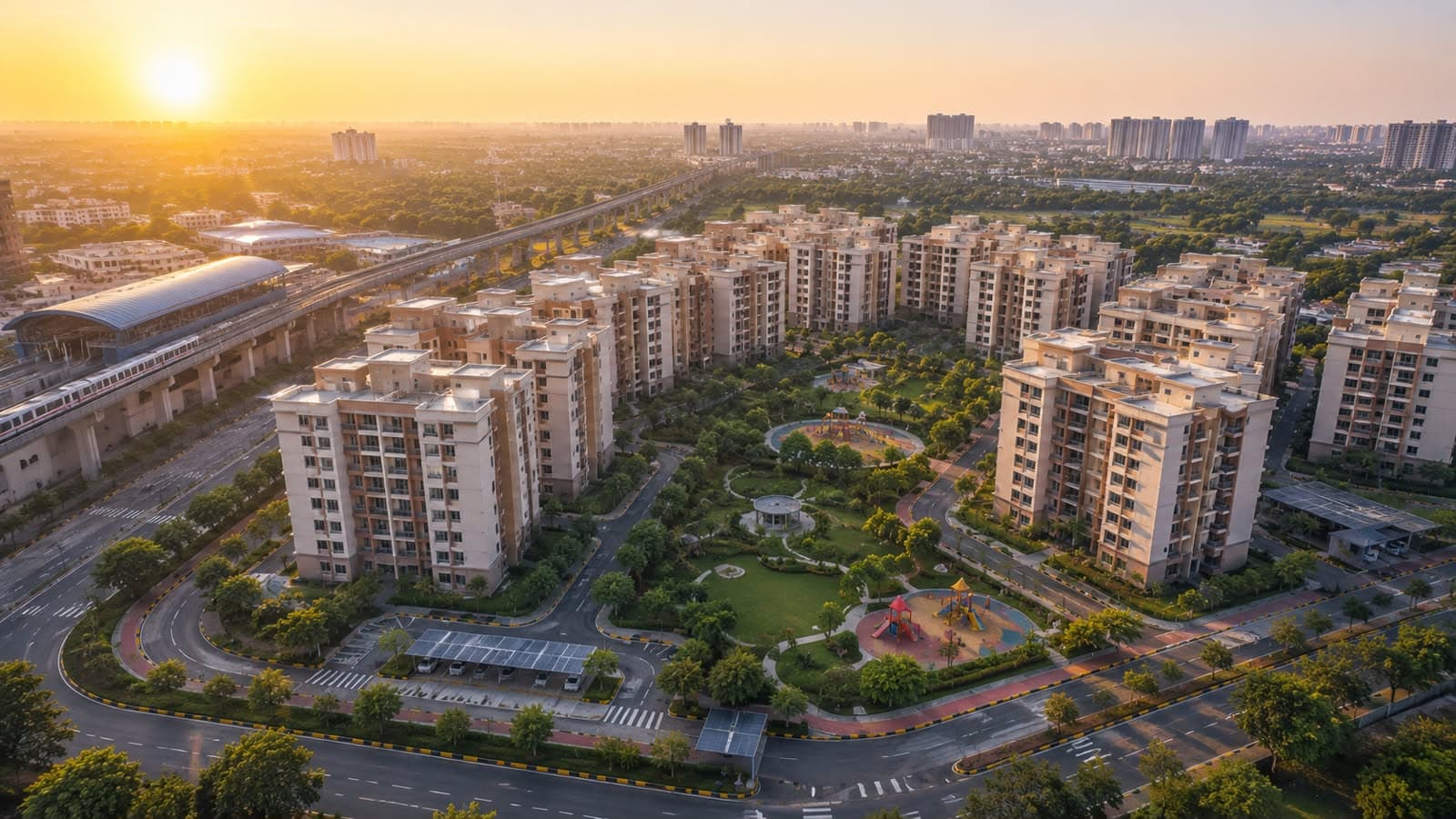
For buyers in a higher income bracket, this project carries some of the more impressive credentials a DDA scheme has offered in recent years. Phase 2 puts 741 units of 2 BHK apartments up for booking. Prices range from ₹1.79 crore to ₹2.42 crore. The building rises to 48 storeys and sits within a 30-acre mixed-use development in East Delhi's Karkardooma hub.
Karkardooma carries direct metro access and sits within a commercial and residential redevelopment zone. For the price bracket, this represents a real value advantage against comparable private construction in the same area, which has been quoting well above these rates for new launches.
The booking amount is ₹4 lakh per flat at the time of application. DDA has confirmed the payment completion deadline has been extended to July 30, 2026, with no further extension beyond that date.
Who Qualifies and Who Should Not Apply
The eligibility rules are consistent across all DDA schemes regardless of category. The applicant must be an Indian citizen, at least 18 years old, and must not own any residential property or plot in Delhi. This ownership check extends to the spouse and any dependent children living in the household.
Only one application is allowed per household in any given scheme. If two family members submit separate applications under the same scheme, both are cancelled without exception. This rule is enforced actively.
For MIG and HIG category flats there is no income ceiling. The ownership rule and the one-application restriction still apply fully even at the premium end.
What to Check Before You Commit
The first thing to verify is possession readiness. DDA listings mix ready-to-occupy units with flats still under construction. Ask whether the Occupancy Certificate has been issued. Without it, the flat cannot legally be occupied and most banks will not disburse a home loan against it.
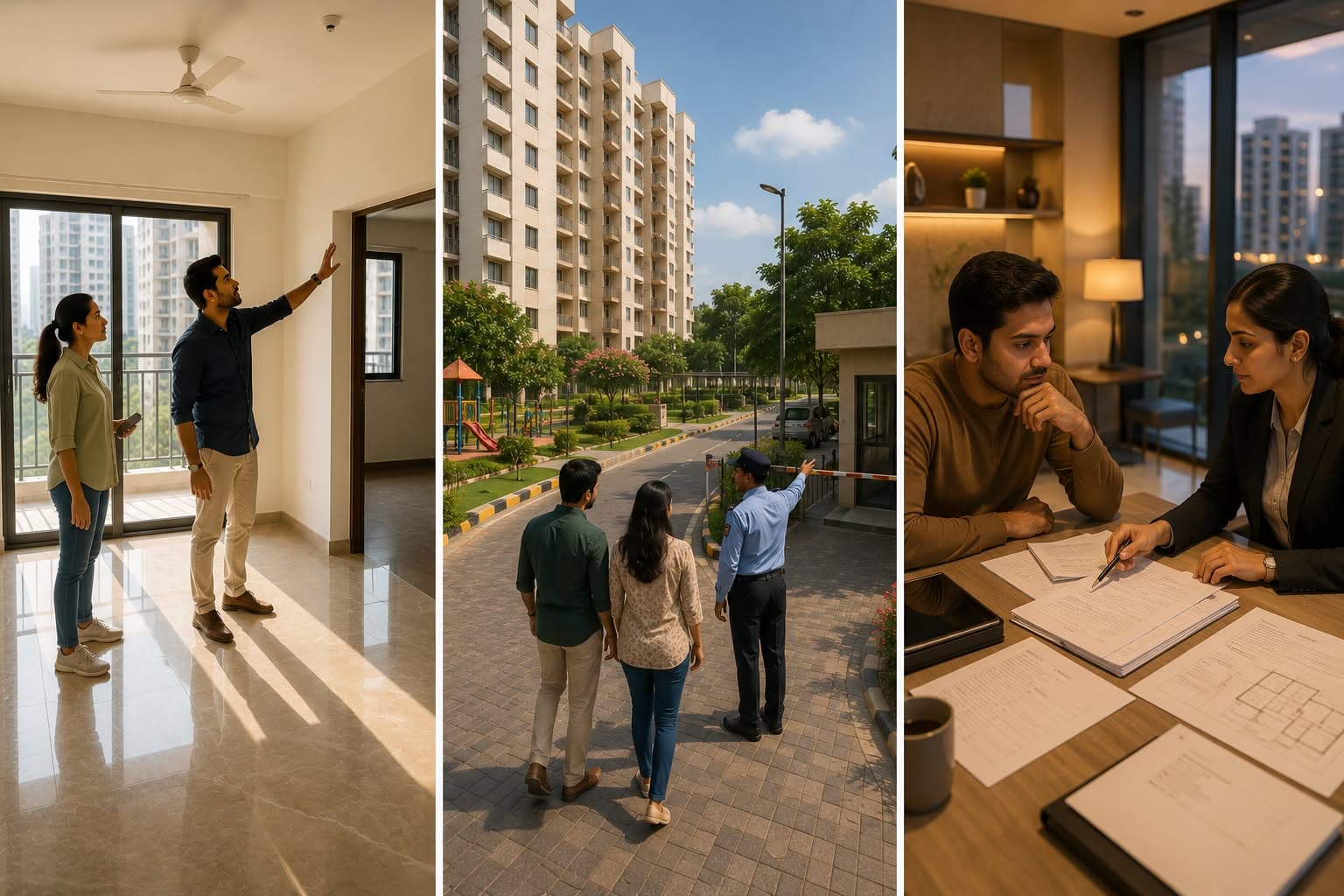
Location deserves an honest look. Narela-based units appear frequently across DDA schemes and offer real affordability, but the surrounding infrastructure is still developing. Schools, hospitals, and daily markets are not yet at the density that more established Delhi areas provide. Assess the daily commute honestly before applying.
Check metro proximity specifically. DDA flats near existing metro stations or on confirmed upcoming metro corridors consistently hold and grow their value better than those dependent on road access alone.
The Documents to Have Ready
The application process runs entirely through the DDA Awaas portal. Before starting, have your Aadhaar card, PAN card, income certificate or recent ITR, three months of salary slips, and a bank account in your name accessible and ready. For EWS applicants, income documentation must be formal. A self-declaration will not clear the verification stage alone.
The Honest Takeaway
DDA flats in 2026 span a wider range than the authority has previously offered, from ₹9 lakh entry units to ₹2.42 crore premium apartments. The right choice depends entirely on income group, location tolerance, and possession timeline. Apply to the scheme your profile genuinely fits rather than the one that merely sounds appealing. A government-backed property in Delhi remains one of the most secure assets a mid-income buyer can hold in this market, but only when the right scheme is chosen with care.
Video will be embedded from: https://www.youtube.com/watch?v=SIPW3prRS8c