
Complete Flat Inspection Checklist for Homebuyers: A Detailed Guide
Summary
A comprehensive flat inspection checklist ensures homebuyers avoid costly repairs and safety hazards. This guide covers structural quality, electrical safety, plumbing, legal compliance, and more for a stress-free move.

Introduction
Buying a home is one of the most important decisions in life. Before taking possession, a detailed flat inspection is necessary. A proper inspection helps buyers avoid future repairs, safety risks, and financial losses. Many buyers focus only on location and price but overlook physical checks. This guide explains a complete flat inspection checklist in a clear and simple way. It helps first-time buyers and experienced buyers understand what to check before possession and how to protect their investment.
Structural Quality and Construction Check
The first step in a home inspection checklist is checking structural quality. Walls should be straight with no visible cracks, bulges, or damp patches. Hairline cracks are common, but deep cracks may indicate poor construction. Check ceilings for water stains or leakage marks. Flooring should be even and firmly fixed. Tap the floor lightly to detect hollow sounds. Doors and windows must align properly and open smoothly. This step ensures the flat possession checklist starts with strong construction standards.
Electrical Safety and Power Supply
Electrical safety is a critical part of any flat inspection checklist. Switch on all lights and fans to check voltage stability. Test every switchboard carefully. Ensure proper earthing and circuit breakers are installed. Open the main electrical panel and confirm that all switches are clearly labeled. Check for exposed wires or loose fittings. Power sockets should be firm and spark-free. Proper electrical work improves safety and avoids future repair expenses. Electrical readiness is a key part of property inspection.
Plumbing, Water Flow, and Drainage
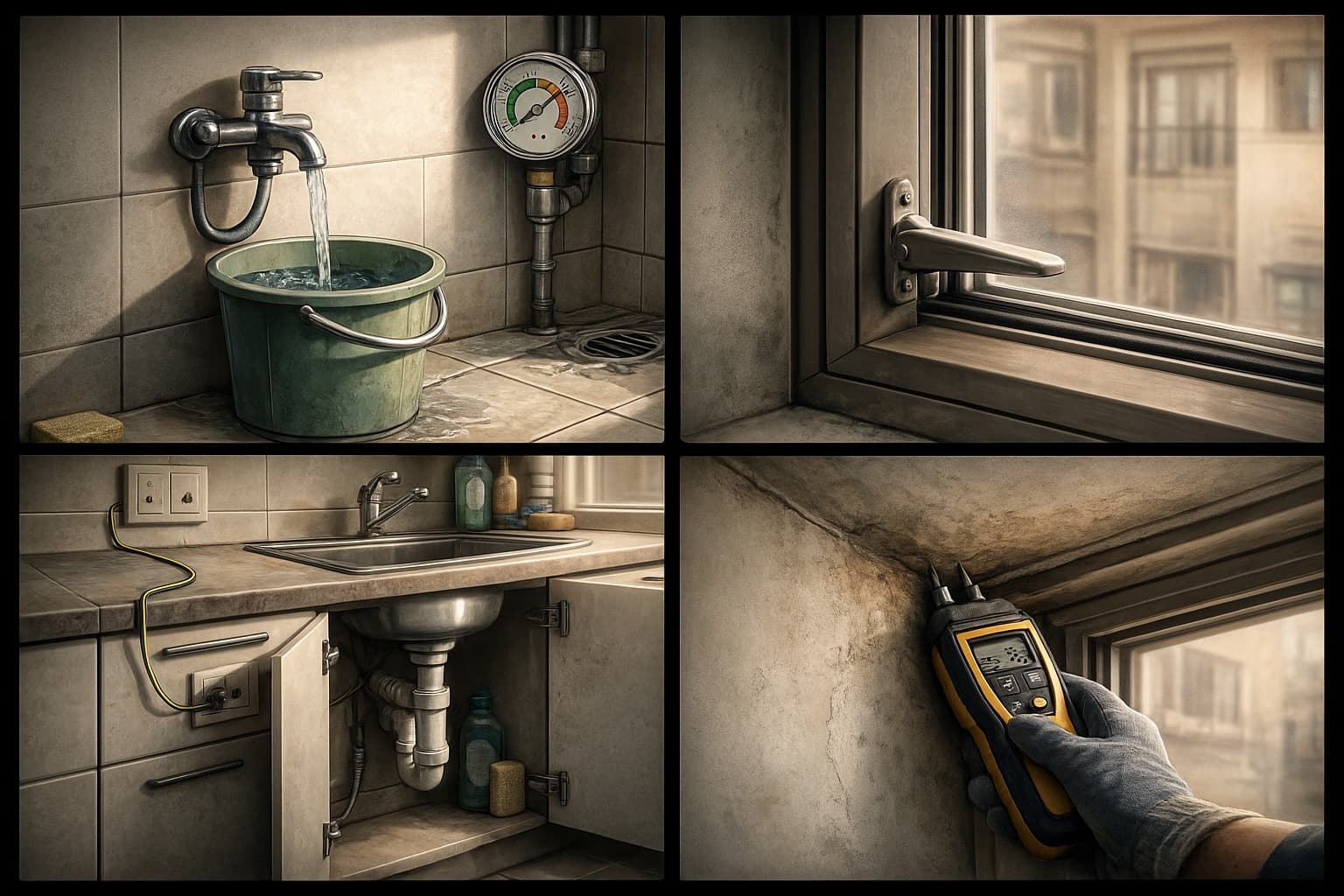
Plumbing issues can cause serious long-term damage. Turn on all taps and showers to test water pressure. Check for leakage under sinks and washbasins. Flush toilets to ensure smooth drainage. Inspect bathroom tiles for signs of seepage or moisture. Water outlets should be positioned correctly. Confirm the availability of regular water supply and storage facilities. Proper plumbing ensures hygiene, comfort, and durability. This stage of pre possession inspection protects buyers from future maintenance problems.
Doors, Windows, and Ventilation
Doors and windows play an important role in safety and comfort. All locks should function smoothly without resistance. Hinges must be firm and noise-free. Glass panes should not have cracks or scratches. Check grills, stoppers, and safety locks. Good ventilation ensures fresh air and natural light. Kitchens and bathrooms must have exhaust provisions. Poor ventilation can lead to dampness and mold. This step strengthens the home inspection checklist and improves daily living quality.
Kitchen and Bathroom Finishing
The kitchen should have proper platform fitting and aligned cabinets. Check sink sealing and ensure correct water flow. Bathrooms must have anti-skid tiles for safety. Verify geyser points, mirrors, and accessories. All fittings should be securely installed. Water should drain easily without stagnation. The finishing quality reflects the builder’s workmanship. This part of the flat inspection checklist helps identify both functional and cosmetic defects before possession.
Legal Documents and Compliance
Physical inspection must be supported by legal verification. Check the possession letter, occupancy certificate, and approved floor plan. Confirm that the carpet area matches the agreement. Review warranties for electrical and plumbing fittings. Ensure clarity on society formation and maintenance charges. This legal review strengthens property inspection and reduces the risk of disputes. Proper documentation ensures buyer rights and builder accountability.
Common Areas and Safety Measures
Inspect lifts, staircases, parking spaces, and entry points. Fire safety equipment should be installed and accessible. Emergency exits must be clearly marked. Check security arrangements such as guards and surveillance systems. Parking allocation should match written documents. The quality of common areas affects long-term comfort and resale value. This step completes the flat possession checklist and ensures safe community living.
Final Walkthrough and Snag List
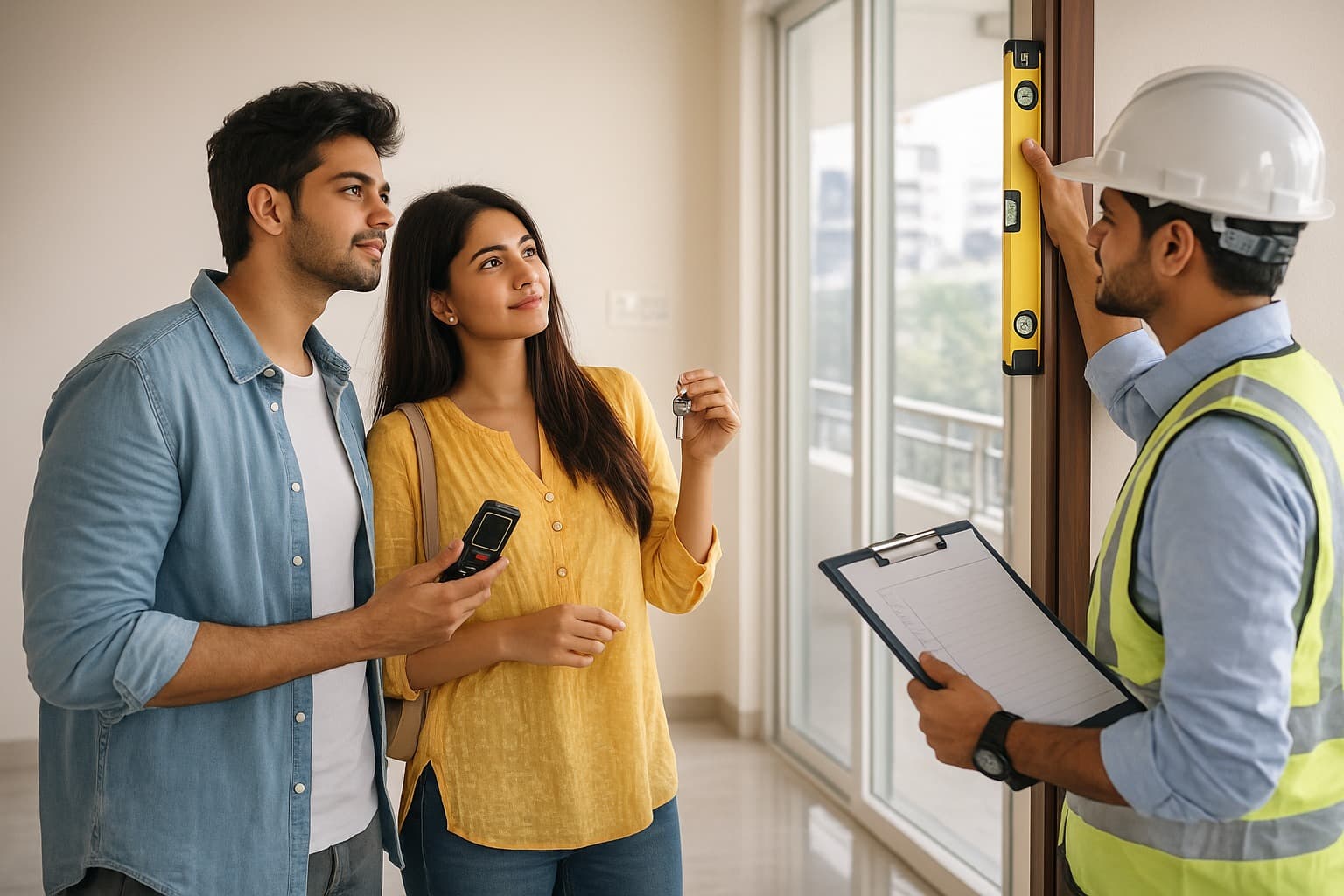
A final walkthrough with the builder is essential. Note down all defects in a written snag list. Take photographs for records and clarity. Get written confirmation for rectification timelines. This final stage of pre possession inspection ensures transparency and accountability. A proper walkthrough gives buyers confidence and peace of mind before moving into their new home.
Summary
A complete flat inspection is essential before taking possession of a new home. It protects buyers from hidden defects, safety hazards, and unexpected expenses. From construction quality to electrical safety, plumbing, ventilation, legal documents, and common areas, every detail matters. A systematic inspection ensures quality living standards and long-term value. By carefully checking and documenting issues before possession, homebuyers can safeguard their investment and enjoy a safe, comfortable, and stress-free home.