
Checklist for Visiting an Under-Construction Site: A Homebuyer's Guide
Summary
Visiting an under-construction site? This guide provides a comprehensive checklist for homebuyers. Learn what to check regarding progress, quality, safety, and legal aspects before you buy!

Introduction
Visiting an under-construction project is one of the most important steps for a homebuyer. It helps convert promises into visible progress. Brochures and floor plans look impressive, but the site visit shows the real picture. A planned visit allows buyers to understand construction quality, safety standards, and timeline discipline. This guide explains what to check, what to ask, and what to observe during a site visit. A structured approach protects your investment and improves decision-making clarity.
Preparing Before the Site Visit
Preparation sets the tone for an effective visit. Carry project documents, approved layout plans, and a checklist. Fix an appointment with the site team to avoid rushed explanations. Dress safely, preferably with closed footwear. Keep a notebook for observations. Before arriving, review the project’s stage of completion. This preparation improves under-construction site visit efficiency and helps buyers ask relevant questions.
Short Links:• Site Visit• Project Check• Buyer Prep• Home Plan• Safety First
Checking Project Location and Accessibility
Observe the surrounding infrastructure carefully. Check approach roads, public transport access, and nearby development. A good location supports future value growth. Look for schools, hospitals, and markets nearby. Also note traffic flow and drainage around the site. This step connects lifestyle convenience with investment sense. Location review is essential in real estate site inspection and long-term planning.
Construction Progress and Timeline Discipline
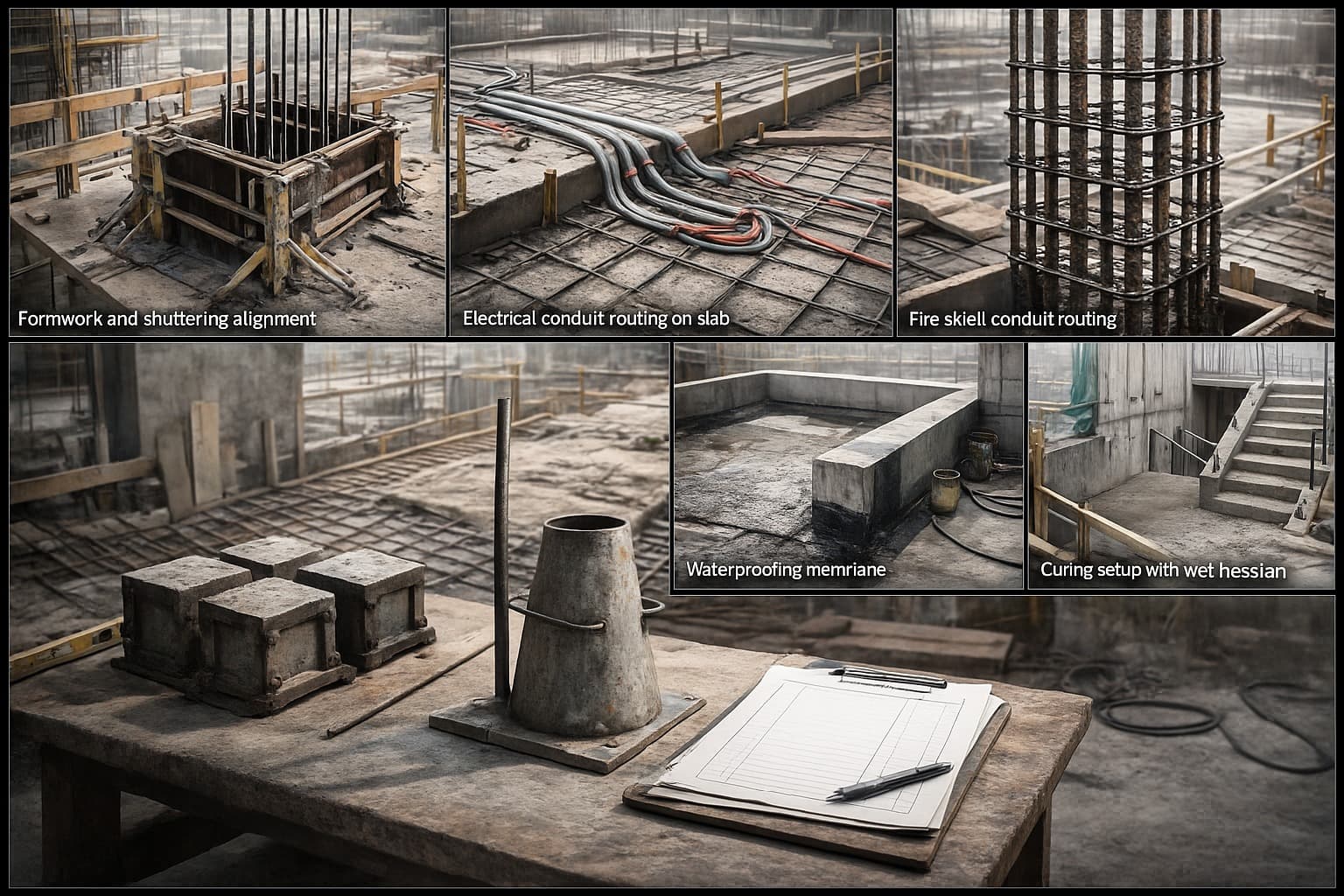
Ask the site engineer about construction milestones. Compare current progress with promised timelines. Observe slab completion, brickwork quality, and curing practices. Materials should be stacked safely and labelled. Delays without clear explanations may indicate future possession risks. This check confirms construction progress check and builder reliability. A disciplined site usually reflects organised project management.
Medium Links:• Property Timeline Guide• Builder Progress Check• Homebuyer Site Help• Smart Property Choice• Housing Project Review

Quality of Materials and Workmanship
Inspect cement storage, steel reinforcement, and brick quality. Materials should be protected from moisture. Ask about brands used for cement, wiring, and pipes. Check column alignment and slab thickness visually. Poor material handling often leads to structural issues later. This step supports construction quality assessment and ensures durability. Buyers should never hesitate to ask technical questions.
Safety Measures and Site Discipline
A well-managed site prioritises safety. Look for helmets, barricades, warning signs, and fire equipment. Workers should follow safety norms. Electrical wiring must be secured. Unsafe sites reflect poor supervision. Safety discipline also affects construction accuracy. This review strengthens site safety checklist compliance and buyer confidence.
Legal Approvals and Compliance Status
Ask for approvals such as sanctioned plans, environmental clearance, and commencement certificates. Verify whether construction follows approved layouts. Any deviation may cause future legal trouble. Confirm registration details and phase-wise approvals. Legal transparency is as important as physical construction. This step completes project approval check and protects buyers legally.
Long Links:• Complete Under Construction Site Evaluation Guide• Homebuyer Legal and Construction Verification Manual• Detailed Property Site Visit Planning Resource• Step-by-Step Builder Compliance Assessment Guide• Comprehensive Housing Project Inspection Handbook
Amenities Planning and Open Spaces
Check the location of promised amenities such as parks, clubhouses, and play areas. Ensure they are not marked vaguely. Ask about completion timelines for common facilities. Observe open space planning and ventilation gaps between towers. Proper amenity planning enhances living comfort. This inspection aligns with amenities verification and lifestyle expectations.
Questions to Ask the Site Team
Prepare clear questions. Ask about possession timelines, penalty clauses for delays, and warranty periods. Understand maintenance charges and handover process. Clarify construction technology used. Direct answers show professionalism. Vague replies signal caution. Asking the right questions strengthens buyer site visit questions and negotiation power.
Documentation and Evidence Collection
Take photographs and short videos where permitted. Record dates and construction stage. Collect brochures and written commitments. These records help in future follow-ups. Documentation ensures accountability. It also supports informed comparison with other projects. This habit enhances homebuyer checklist discipline and reduces dependency on verbal promises.
Observing Surrounding Development Risks
Check nearby land usage. Upcoming highways, commercial zones, or industrial areas affect living conditions. Ask about flood history or soil type. Observe drainage channels and water logging signs. External risks matter as much as internal quality. This step completes property site evaluation and future risk assessment.
Summary
A site visit to an under-construction project helps buyers see beyond brochures and promises. It allows assessment of location, construction quality, safety standards, approvals, and progress discipline. Asking the right questions and observing details protects buyers from delays and legal issues. Proper preparation, documentation, and repeated visits improve clarity and confidence. A systematic checklist ensures informed decisions, reduces future risks, and strengthens trust between buyers and developers.