
Buying a High-Rise Flat? Understand Flat-to-Floor Ratio Before You Invest!
Summary
Understand the flat-to-floor ratio before investing in a high-rise! This ratio impacts privacy, comfort, and value. Learn what's ideal for Indian residential projects.

Introduction: Why Flat-to-Floor Ratio Matters in Modern Living
Buying a home in today’s skyline of high-rise apartments is an exciting step — but there’s more to it than just floor number or view. One crucial concept every buyer must understand is the flat-to-floor ratio. This ratio determines how many flats are built on each floor of a building, directly influencing privacy, comfort, and space. Understanding this number can help you make a smart decision and ensure your investment in a high-rise apartment truly matches your lifestyle expectations.
What Is Flat-to-Floor Ratio?
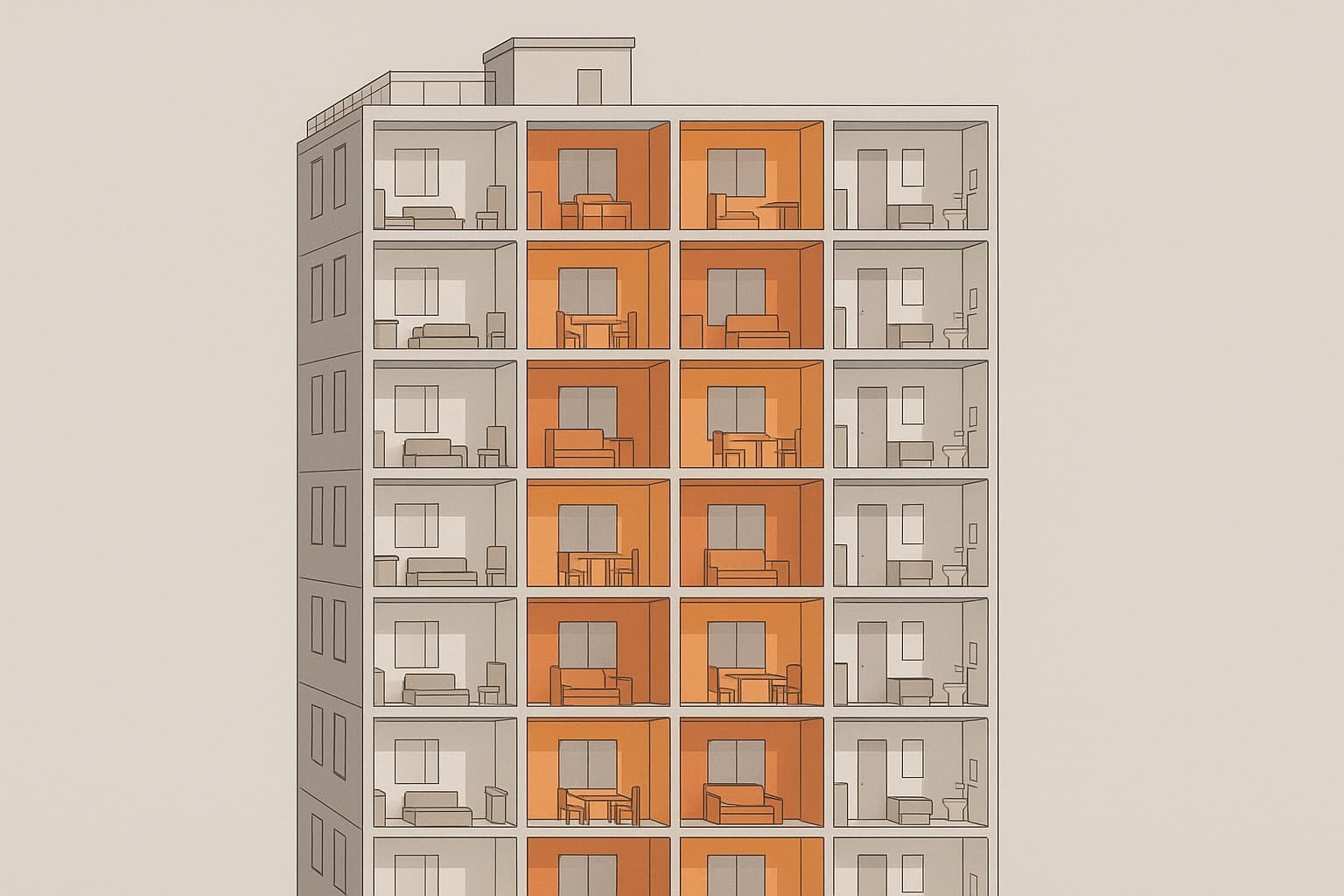
The flat-to-floor ratio simply refers to the number of flats or housing units constructed on a single floor in an apartment building. For example, if a floor has four flats, the ratio is 1:4. This number might seem minor, but it plays a huge role in determining apartment density, ventilation, and comfort. A balanced flat-to-floor ratio ensures less crowding, smoother elevator usage, and more privacy — essential elements for comfortable living in high-rise apartments across Indian cities.
Why Flat-to-Floor Ratio Is Important When Buying a High-Rise Apartment
Every homebuyer dreams of peaceful surroundings, good airflow, and minimal noise. The importance of flat-to-floor ratio in apartments lies in how these factors are influenced by the number of flats per floor. A lower ratio (fewer flats per floor) means fewer neighbors, better privacy, and less traffic in common areas. On the other hand, a higher ratio (more flats per floor) can lead to crowding and longer waiting times for lifts. That’s why understanding this factor is crucial in any real buyer’s guide to high-rise living.
How Flat-to-Floor Ratio Affects Privacy and Comfort
One of the biggest concerns for residents in high-rise apartments is maintaining personal comfort. The flat-to-floor ratio directly affects how peaceful or congested your living space feels. A lower ratio — say 2 or 3 flats per floor — means quieter hallways, fewer disturbances, and better cross-ventilation. However, a floor with 8–10 flats may feel crowded, with shared walls and noise from multiple homes. Therefore, understanding how flat-to-floor ratio affects privacy and comfort in buildings can save you from regrets after moving in.
Factors Affecting Apartment Density
Several elements influence the apartment density in any project. Developers must balance space utilization, land cost, and architectural design. Projects located in prime urban areas tend to have a higher flat-to-floor ratio to maximize returns, while premium residential towers in spacious suburbs offer fewer units per floor for a luxurious feel. The building’s shape, number of lifts, and fire safety norms also play key roles. Hence, before investing, it’s wise to ask your developer about the ratio and factors affecting apartment density in your chosen project.
Ideal Flat-to-Floor Ratio in Indian Residential Projects
There’s no universal rule, but in most Indian residential projects, an ideal flat-to-floor ratio ranges between 2 to 4 flats per floor. This balance ensures enough privacy without wasting space. Luxury projects may have even lower ratios — sometimes just one apartment per floor, offering complete exclusivity. On the other hand, affordable housing towers may have higher ratios due to land constraints. When evaluating options, buyers should always consider how the flat-to-floor ratio in high-rise buildings aligns with their lifestyle and expectations.
Key Things to Check in High-Rise Apartments Before Buying
Beyond the flat-to-floor ratio, several other details matter when buying a high-rise apartment. Check the number of lifts and staircases per tower, as too few can cause congestion. Evaluate parking facilities, fire safety provisions, and natural light in the corridors. It’s also wise to look at how many flats share one lobby, as that affects daily convenience. The real estate guide suggests prioritizing towers that offer good balance between density and design — essential for comfortable, long-term living.

How to Use the Flat-to-Floor Ratio When Comparing Projects
When comparing different projects, the flat-to-floor ratio can help you assess both quality and value. For instance, two towers may offer the same carpet area, but the one with fewer flats per floor will likely feel more premium. A lower ratio generally means higher construction cost per flat, but it also delivers better comfort. In other words, this ratio helps identify whether you are paying for real space and privacy or just for height. This makes it a crucial metric in any buyer guide for high-rise living.
Real Estate Terms Every Homebuyer Should Know
The flat-to-floor ratio is just one of several real estate terms every homebuyer should know. Others include the Floor Space Index (FSI), carpet area, and loading percentage. Together, these determine how space is used within the project and how much actual area you get. A well-informed buyer can evaluate projects more effectively and negotiate better. Understanding such terms ensures that your decision to invest in a high-rise apartment is guided by knowledge, not just appearance or promotional material.
Summary
The flat-to-floor ratio is one of the most important yet overlooked aspects of buying a high-rise apartment. It determines apartment density, privacy, and comfort. A balanced flat-to-floor ratio in high-rise buildings ensures a peaceful environment, better ventilation, and less congestion. Buyers should always check this ratio, along with other factors like lifts and open spaces, before investing. Understanding why flat-to-floor ratio is important when buying a high-rise apartment helps make a smarter, more comfortable, and value-driven real estate decision.