
BJP's Nariman Point Office Expansion: A Real Estate and Political Analysis
Summary
The BJP's Maharashtra office expansion in Nariman Point highlights the intersection of real estate, politics, and governance. This prime location carries a significant market value, raising questions about the allocation of public land to political parties at potentially concessional rates.

Introduction
In any other city, a 15,000 square foot office space allocation would barely register as news. In Nariman Point, Mumbai's most historically significant commercial district, where Grade A space trades at Rs 25,000 to Rs 35,000 per square foot and monthly rents run between Rs 250 and Rs 350 per square foot, the same allocation carries a financial significance that the headline number alone does not communicate. The Maharashtra state BJP office at CDO Barracks 1, opposite the LIC building at Nariman Point, has been allotted an additional 15,000 square feet of space by the Maharashtra government. The announcement has triggered the kind of conversation that any government land allotment at a prime address inevitably does: who gets this, at what price, and what does the public get in return?
The Address and What It Is Worth
Nariman Point real estate occupies a category of its own in Mumbai's commercial geography. The peninsula tip that hosts Nariman Point, Marine Lines, and Churchgate is the city's original Central Business District, built during the reclamation era and home for decades to India's most prestigious corporate headquarters, legal chambers, financial institutions, and government offices. The iconic skyline of towers facing Back Bay, the proximity to the High Court and the Mantralaya complex, and the concentrated density of institutional tenants make this one of the most address-significant commercial locations in the country.
At current market rates, 15,000 square feet of office space in a Nariman Point building would carry a capital value of approximately Rs 37 crore to Rs 52 crore. Monthly rental at prevailing rates would run between Rs 37 lakh and Rs 52 lakh. These are not speculative figures. They are based on registered transaction data from recent deals including the Indian Express purchase at Mafatlal Centre and other verified Nariman Point comparables.
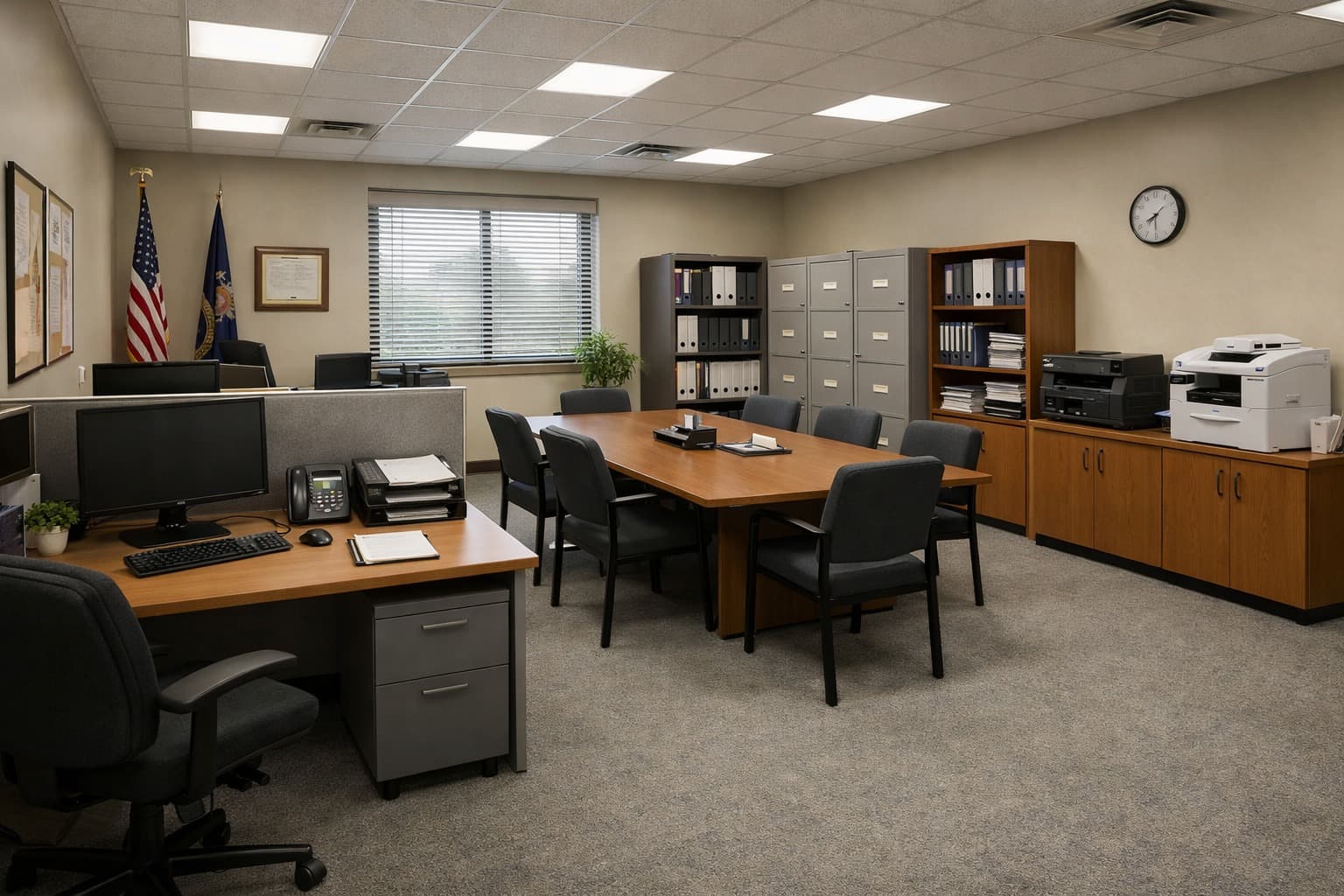
The BJP Maharashtra Office: A Long History at CDO Barracks
The BJP Maharashtra state headquarters has been located at CDO Barracks 1, Nariman Point for several decades. The CDO Barracks complex, a government-owned property managed by the state administration, has historically housed multiple occupants including political party offices, government departments, and public sector organisations.
The Maharashtra BJP's presence at this location has not been without controversy. Bombay High Court orders in earlier years directed the party to address discrepancies between the originally allotted area and the space the office had actually come to occupy. A petition had pointed out that the original allotment was significantly smaller than the footprint the office eventually spread across. The court had directed remedial action. That history gives additional context to the current 15,000 square foot addition.
Government Allotments and the Accountability Question
Government office Mumbai space allocations at prime addresses are a longstanding tension in Mumbai's real estate ecosystem. The Maharashtra government owns or controls significant quantities of commercial and residential property across the city's most valuable precincts, including Nariman Point, Churchgate, Colaba, and Bandra. How that property is allocated, to whom, at what rent, and on what terms is a governance question that has implications far beyond any single transaction.
When public land in Mumbai's most expensive commercial district is allocated to a political party at what are almost certainly concessional terms relative to market rates, the implicit subsidy runs into crores of rupees annually. The question of whether this represents an appropriate use of state assets is a legitimate public interest concern regardless of which party occupies the space.
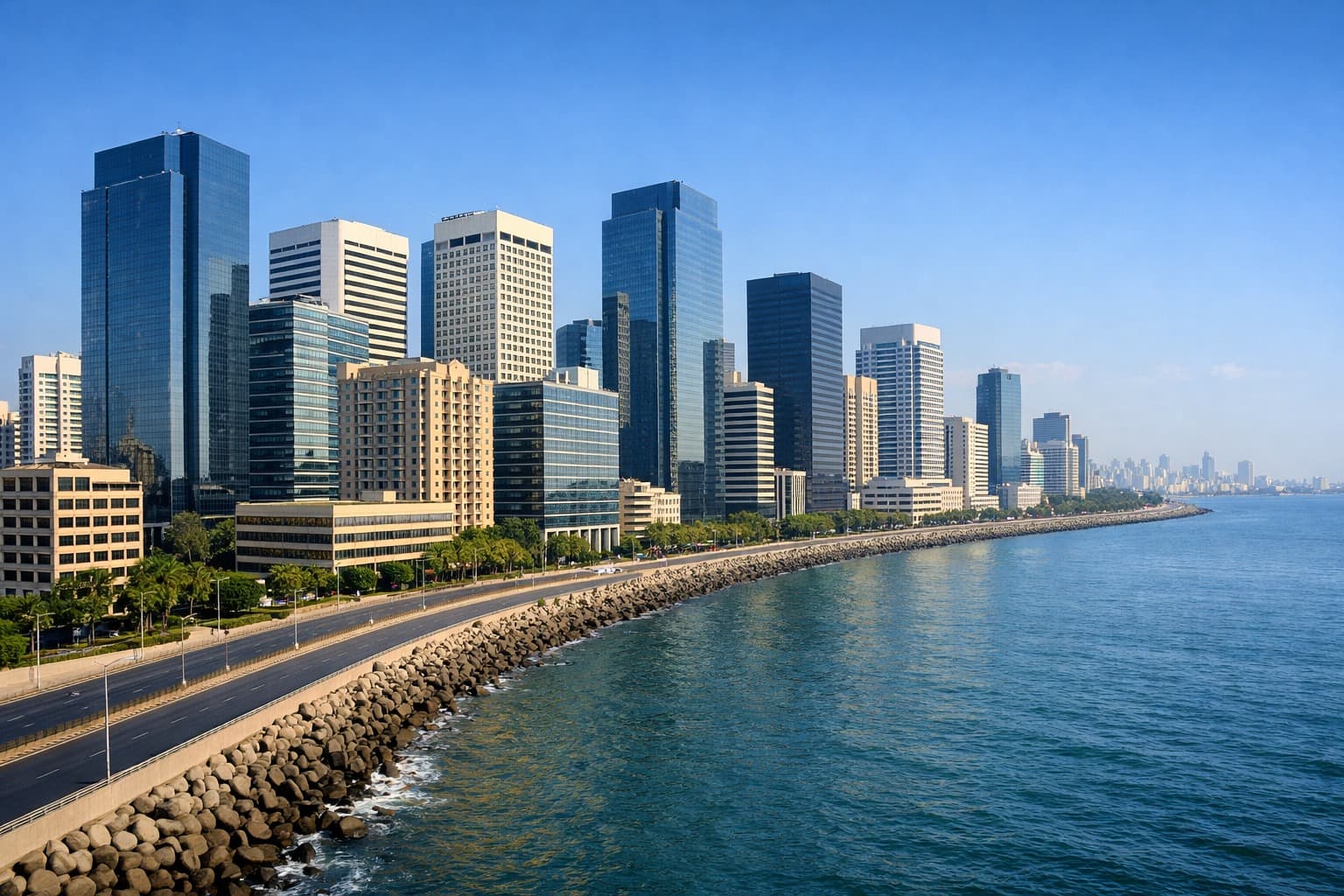
What Nariman Point's Commercial Story Looks Like Today
Nariman Point office space has been undergoing a quiet revival after years of losing corporate tenants to BKC and Lower Parel. The coastal road's completion has dramatically improved connectivity between Nariman Point and the western suburbs, reducing the commute friction that drove many tenants away during the 2010 to 2020 period.
Several marquee transactions have confirmed that interest in the district is returning. Capital values have recovered to Rs 25,000 to Rs 35,000 per square foot range after a long period of stagnation. The district's heritage character, sea-facing tower inventory, and proximity to the city's legal and financial institutions give it an enduring appeal that BKC and Lower Parel, for all their modern advantages, structurally cannot replicate.
The Broader Pattern of Political Office Allocations
The CDO Barracks Mumbai complex is not the only instance of government-owned prime real estate being occupied by political party offices across Indian cities. This is a pattern that runs across multiple states and multiple parties. What makes the Nariman Point situation particularly pointed is the sheer market value of the address. The opportunity cost of allocating Grade A Nariman Point space at sub-market rates to any occupant, political or otherwise, is measured in tens of crores of annual rental foregone.
Summary
The BJP Maharashtra state office being allotted an additional 15,000 square feet at CDO Barracks Nariman Point is a real estate story that sits at the intersection of government land management, political accommodation, and prime Mumbai commercial property valuation. At market rates, the allocated space represents a capital value of Rs 37 crore to Rs 52 crore and a monthly rental opportunity of Rs 37 lakh to Rs 52 lakh. Whether public land at one of Mumbai's most valuable addresses should be allocated to political parties at concessional terms, and on what transparency conditions, is a governance question the city deserves a clear answer to.