
BDA's Unsold Homes in Bengaluru: Why Are They Not Selling?
Summary
The BDA has 1,910 unsold homes in Bengaluru, primarily due to poor location livability, infrastructure, and maintenance issues, despite competitive pricing. They're exploring private partnerships and digital channels to improve sales.

BDA Has 1,910 Unsold Homes in Bengaluru. The Price Is Right. So What Is Going Wrong?
Introduction
Here is a situation that does not quite make sense at first glance.
The Bangalore Development Authority has over 1,910 completed housing units sitting unsold, priced below what private developers charge for comparable properties in the same city. And yet buyers are not coming. Property fairs have been organised. Bulk purchase discounts have been offered. A 5 percent rebate was introduced on select projects. The response has been, to put it charitably, underwhelming.
So what exactly is going wrong with BDA housing inventory in a city where housing demand supposedly never sleeps?
The Villa Story Is Particularly Telling
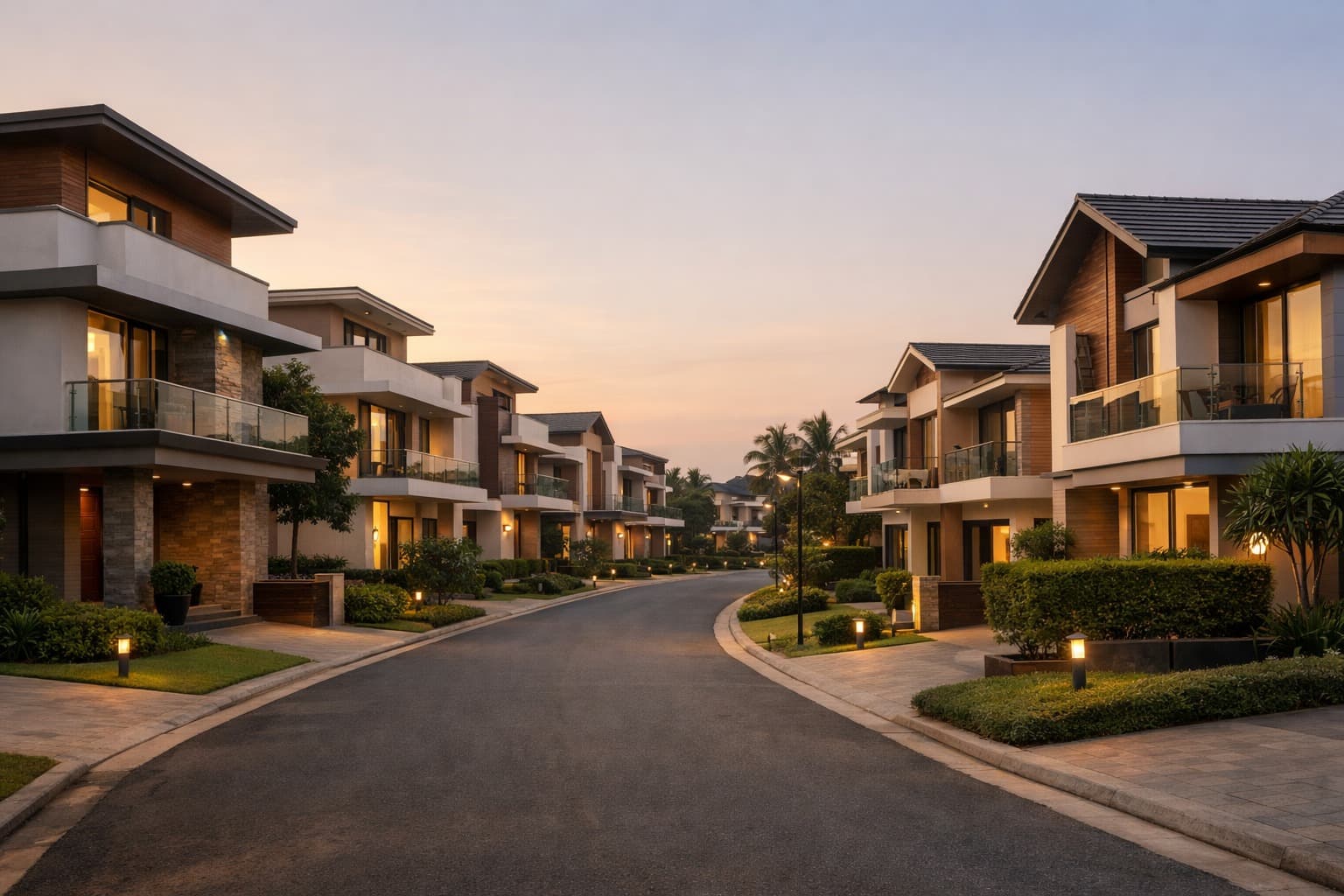
BDA's first-ever villa project at Hunnigere, named the Punith Rajkumar Housing Complex, launched with 239 units including 3 BHK and 4 BHK options, priced between Rs 1.15 crore and Rs 1.26 crore per unit. By most private market standards, that is genuinely competitive for a villa product anywhere near Bengaluru.
And yet at last count, only 16 of 100 units launched from that project about three years ago had actually been sold. The BDA villa project Hunnigere slow sales numbers are striking. Not because villas are inherently a hard sell in Bengaluru, the private luxury villa market in the city is doing perfectly fine. The problem is specific to this location and what surrounds it.
Location Without Livability Is a Hard Sell
Hunnigere sits in Dasanapura hobli, between Magadi Road and Tumakuru Road. It is not impossible to reach. But connectivity from the project to Bengaluru's main employment corridors is not strong enough to make daily commuting comfortable. And that, more than price or product type, is what buyers are actually evaluating.
Why BDA flats are not selling Bengaluru comes down to the same answer across almost every project in its portfolio. The locations are on the periphery. Road connectivity is patchy. Street lighting is inconsistent. Metro access is distant or absent. Essential civic services that buyers take for granted in better-connected parts of the city simply are not in place yet.
One resident in Gunjur bought a 2 BHK flat from BDA, did interior work intending to rent it out, and found zero takers because of how inconvenient the location is for prospective tenants. That story, repeated across dozens of buyers in areas like Kannamangala, Konadasapura, Alur Phase 1, Valagerahalli, Gunjur, and Thippasandra, is the clearest explanation for why BDA's inventory is not moving.
Vastu, Maintenance, and the Smaller Grievances
Beyond infrastructure, BDA officials have acknowledged a few additional friction points worth mentioning. A significant portion of buyers in Bengaluru factor in Vastu compliance when evaluating a home. Several BDA projects reportedly do not align with common Vastu preferences, and while that may sound minor, it is enough to push hesitant buyers toward private alternatives where developers have started designing specifically around these expectations.
Maintenance is another issue. BDA peripheral housing demand problems are compounded by the absence of functioning residents welfare associations in many complexes. Without organised management, common areas deteriorate, seepage complaints pile up, and the overall upkeep of the building declines. A brand new flat with a leaky ceiling and no one to call about it is not an attractive proposition regardless of the price.
What BDA Is Trying to Do About It
The authority is not sitting still on this. BDA leadership has indicated ongoing talks with private developers to help liquidate unsold stock, essentially partnering with established builders who have stronger sales networks and marketing muscle. There is also effort going into strengthening apartment associations to improve post-possession management.
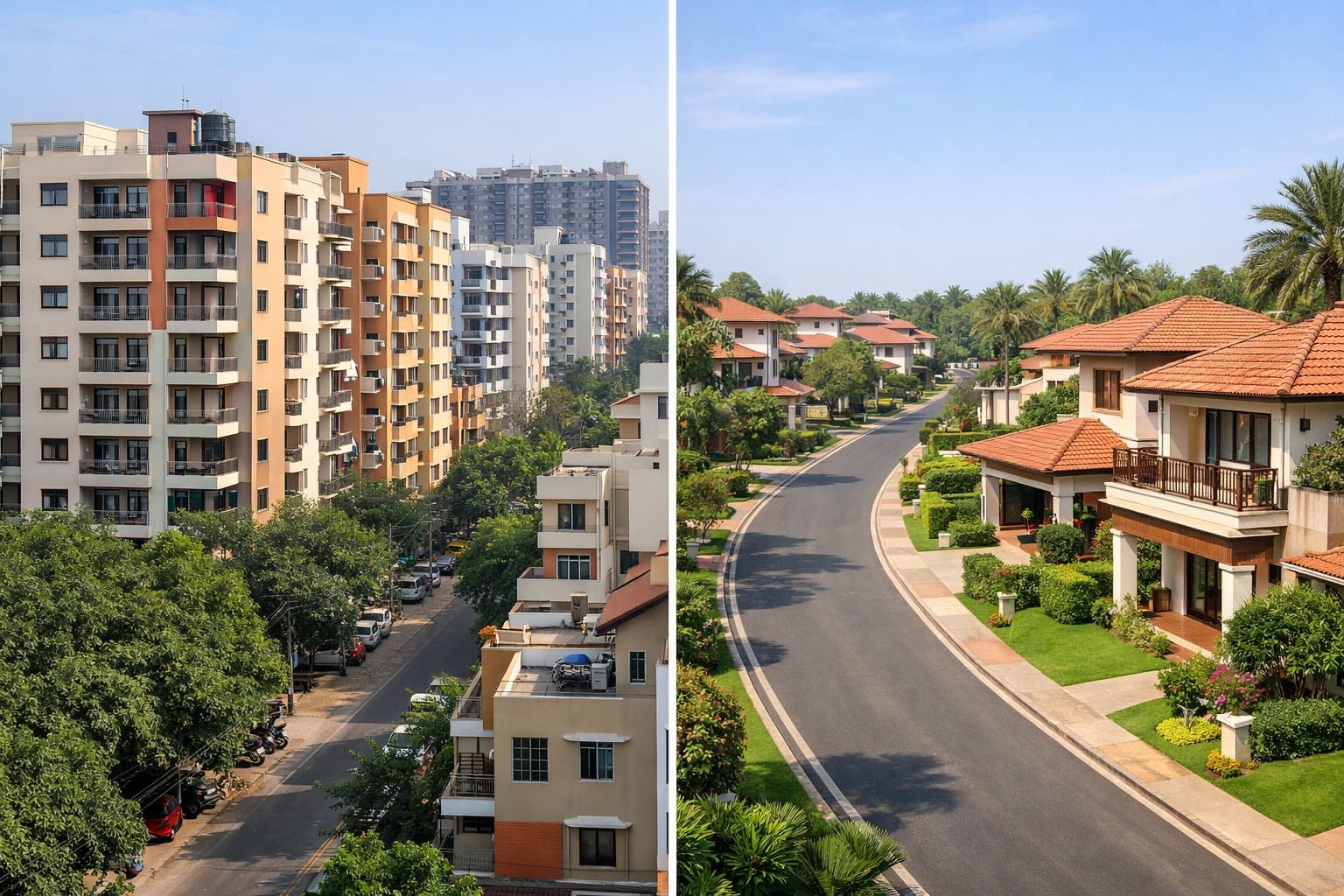
How BDA plans to clear unsold housing inventory through private developers and property fairs has been articulated at a broad level, but the on-ground progress has been limited so far. The approach makes sense in principle. Private developers understand buyer psychology and sales velocity in a way that a statutory authority typically does not. If a credible builder takes on the sales and management responsibility for BDA blocks under a formal arrangement, buyer confidence could improve.
The BDA is also doubling down on digital sales channels and simplifying the application process, which should remove some friction for buyers who are interested but find the procedural requirements cumbersome.
The Bigger Question About Peripheral Government Housing
Why government housing projects in Bengaluru periphery fail to attract buyers is ultimately a planning question, not just a sales question.
Affordable housing that is placed far from jobs, schools, hospitals, and public transport is not really solving the housing problem. It is creating a new one. Buyers who could theoretically afford a BDA flat instead stretch their budgets toward a private project in a better-connected area because the long-term quality of life trade-off makes private housing worth the extra cost.
Until BDA's project locations are backed by genuine infrastructure, the pricing advantage alone will not be enough to drive demand.
Summary
The Bangalore Development Authority is sitting on over 1,910 unsold housing units across Bengaluru, with villas faring particularly poorly despite competitive pricing. At the BDA Hunnigere villa project, only 16 of 100 units have been sold in three years. Why BDA flats are not selling comes down to poor road connectivity, absent metro access, weak civic infrastructure, and lack of functioning residents associations in areas like Kannamangala, Gunjur, and Konadasapura. BDA is now exploring private developer partnerships and digital sales channels to move inventory, but until peripheral locations get genuine infrastructure support, the affordability advantage will remain a hard pitch to close.
Video will be embedded from: https://www.youtube.com/watch?v=jEY3QOvbdqI