
Assotech Realty's Rs 200 Crore Investment in Shirdi: Impact on Temple Town Real Estate
Summary
Assotech Realty's Rs 200 Cr Shirdi investment signals a shift towards organized hospitality in the temple town. The all-suite hotel, in partnership with Atmosphere Core, targets underserved family pilgrimage demand, sparking a real estate appreciation cycle.

Introduction
When a developer with a residential and commercial track record puts Rs 200 crore into a hospitality project in a temple town, it is worth paying attention. Assotech Realty Shirdi investment, announced in partnership with luxury hospitality brand Atmosphere Core, is not a vanity project or an opportunistic land play. It is a calculated reading of one of India's most consistently high-footfall religious tourism markets. Shirdi receives upward of 60,000 to 80,000 visitors on ordinary days and crosses a lakh on festival weekends. The question developers are now asking is not whether the demand exists. It is how much of that demand remains underserved at the quality end of the market.
The Project: All-Suite Format in a Pilgrimage Town
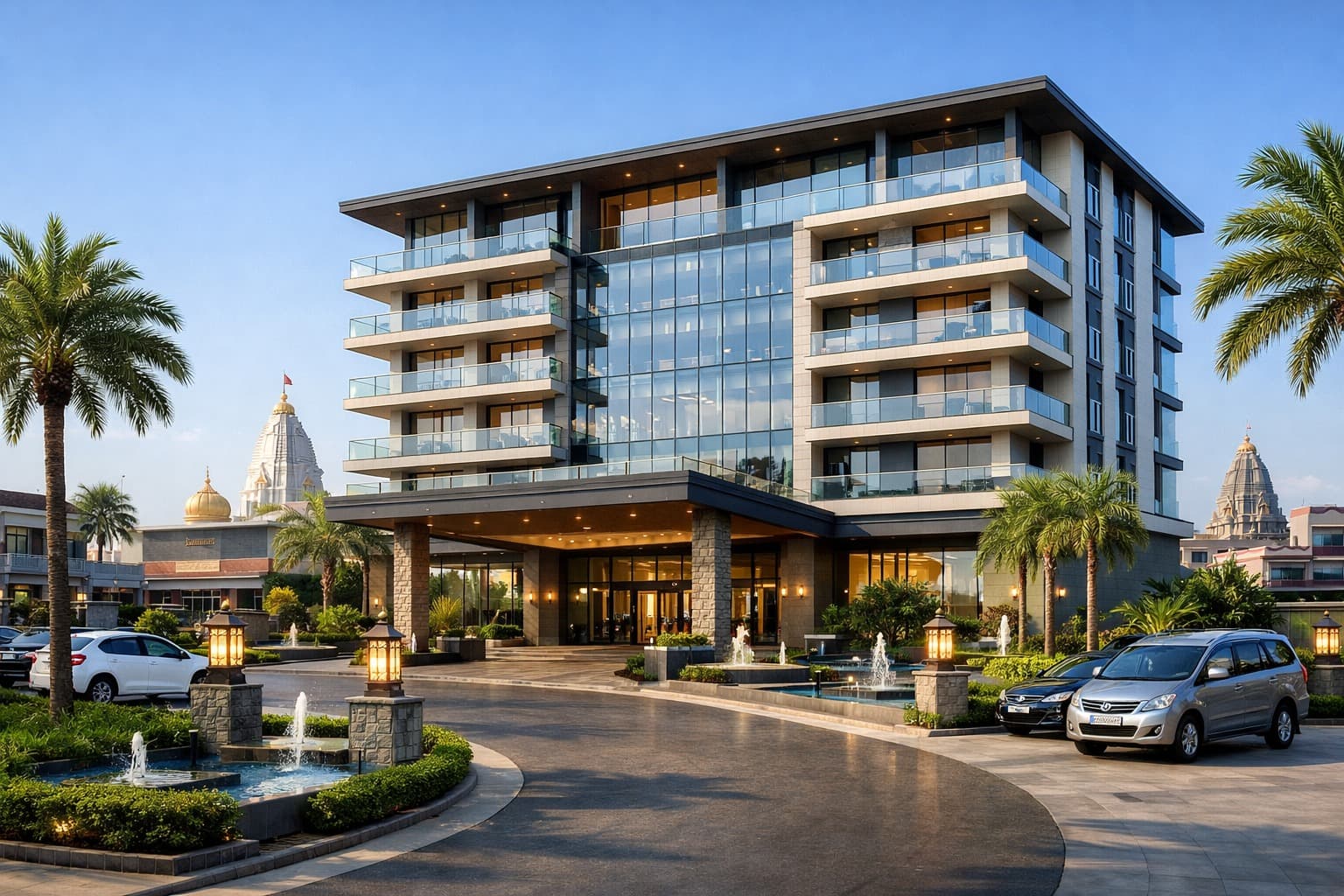
The Assotech and Atmosphere Core collaboration will deliver an all-suite hospitality property in Shirdi, with a total investment of Rs 200 crore. The all-suite format is a deliberate product choice. Pilgrimage visitors to Shirdi increasingly arrive in family groups, often multi-generational, with both devotional and leisure purposes bundled into the same trip. A suite-format property addresses this profile far better than standard hotel rooms, offering space, privacy, and extended-stay comfort that families and corporate pilgrimage groups are willing to pay a meaningful premium for.
Atmosphere Core brings an international luxury hospitality operating pedigree to the project, which immediately lifts the product positioning above the mid-market hotels that currently dominate Shirdi's accommodation landscape. This is the Shirdi hotel investment that signals a category shift rather than incremental supply addition.
Why Shirdi, and Why Now
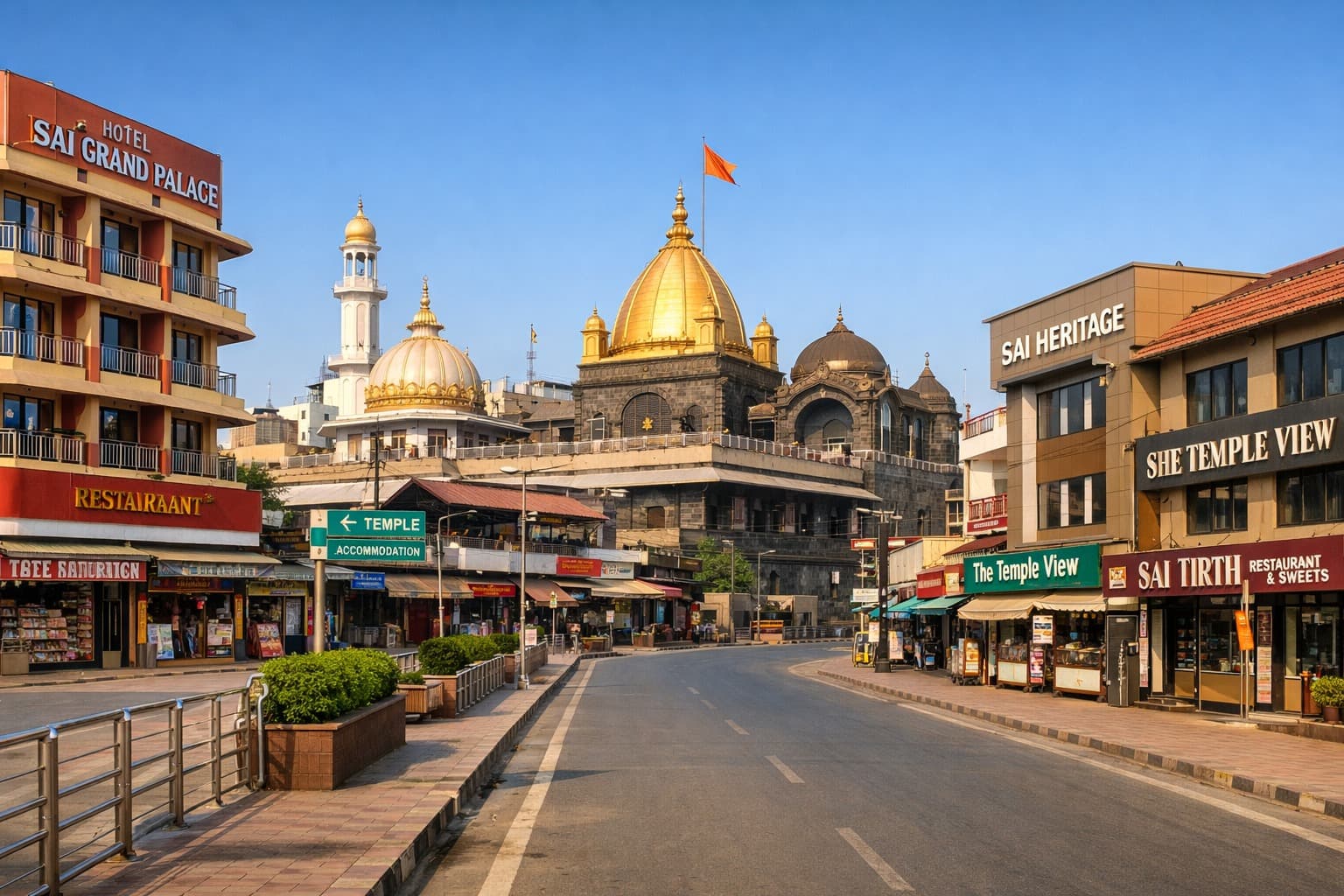
Shirdi's religious tourism numbers have recovered sharply post-pandemic and have been growing steadily since 2022. The Shri Saibaba Sansthan Trust, which manages the shrine complex, has been investing in infrastructure upgrades around the main temple precinct. Road connectivity from Nashik, Aurangabad, and Pune has improved. The upcoming Shirdi airport's capacity and route network has expanded, making the destination accessible from Bengaluru, Hyderabad, and Delhi without routing through Mumbai.
Maharashtra hospitality real estate markets that sit adjacent to proven religious tourism corridors have historically been late but durable performers. Developers watched Tirupati, Vaishno Devi, and Ayodhya go through their own hospitality investment cycles. Shirdi is now entering the phase where organised, branded hospitality supply starts replacing the fragmented lodge-and-guesthouse model that has served pilgrims until now.
The Real Estate Ripple Effect Around Temple Towns
Hospitality investment of this scale does not stay contained within the hotel boundary. When a Rs 200 crore branded property enters a market, it resets the reference point for what quality looks like in that town. Residential plots and commercial spaces in the surrounding areas begin attracting buyers who previously had no reason to consider Shirdi as an investment address.
Temple town property India markets have a specific appreciation pattern. The first wave is driven by religious sentiment and personal use purchases. The second wave arrives when institutional hospitality money confirms the market's commercial viability. The third wave brings organised residential development targeting second-home buyers, retirees seeking affordable spiritual proximity, and investors backing rental yield from tourism-linked short-stay demand. Assotech's announcement positions Shirdi for that second wave transition right now.
Assotech Realty's Strategic Pivot
Assotech Realty has built its reputation primarily in the NCR residential market, with projects in Noida, Ghaziabad, and the Delhi periphery. Entering Maharashtra through a hospitality asset rather than a residential project is a meaningful diversification signal. It suggests the developer sees hospitality real estate as a category worth building exposure in, and it suggests Maharashtra's tier 2 religious tourism markets as the geography where that exposure makes sense at this moment.
The Atmosphere Core partnership handles the operational complexity that would otherwise make hospitality entry difficult for a developer without hotel management experience. This structure, a real estate developer supplying the asset and a hospitality brand supplying the operating expertise, is the same model that has worked for premium hotel projects across Goa, Rishikesh, and the Rajasthan heritage circuit. Luxury hotel Shirdi development following this structure is likely to attract additional entrants once the Assotech property demonstrates stabilised occupancy and revenue numbers.
What This Means for Property Buyers Near Shirdi
Investors watching this announcement should think in concentric circles. The immediate hospitality zone around the Sai Baba shrine complex sees the most direct impact in terms of commercial property demand and retail space absorption. The residential zone extending two to five kilometres outward is where second-home and retirement plot demand is likely to build over the next three to five years.
Property investment near religious tourism destinations India has consistently outperformed suburban residential markets in secondary cities when anchor hospitality investments arrive at scale. Shirdi's advantage is that it combines guaranteed repeat visitation from an enormous devotee base with improving physical connectivity and now the credibility signal of a branded luxury hospitality entry.
Summary
Assotech Realty's Rs 200 crore Shirdi hotel project with Atmosphere Core marks the beginning of organised, branded hospitality real estate investment in one of Maharashtra's highest-footfall pilgrimage destinations. The all-suite format targets family and group pilgrimage demand that existing accommodation supply consistently underserves. For real estate investors watching temple town property markets, this project is an early signal of the broader appreciation cycle that follows institutional hospitality money into a religiously anchored destination. Shirdi's fundamentals, consistent footfall, improving connectivity, and an under-supplied quality accommodation market, make it one of the more compelling tier 2 hospitality and property plays in Maharashtra in 2026.
Video will be embedded from: https://www.youtube.com/watch?v=BOdrtmsU8gs