
59,000 Homes and Rs 1.5 Trillion: Mumbai's Redevelopment Wave Is Bigger Than You Think
Summary
Mumbai's redevelopment pipeline is set to generate 59,000 new homes worth Rs 1.5 trillion by 2031. This massive wave, driven by aging structures and policy shifts, especially in Western Suburbs, presents a significant opportunity for real estate buyers.

A City Building Itself From the Inside Out
Mumbai cannot grow outward the way Pune or Hyderabad can. The sea stops it on three sides and the geography makes horizontal expansion a slow, expensive affair. So the city does the only logical thing left: it builds upward, and it rebuilds what already exists.
A report by Knight Frank India, released in June 2026, put a precise scale on what this means for the next few years. The Mumbai redevelopment pipeline 2031 is expected to generate close to 59,000 new homes valued at approximately Rs 1.5 trillion. That number deserves a moment of attention.
What Is Actually Driving This
Society redevelopment Mumbai crossed a milestone in 2026 that had not been seen since the pandemic disrupted the sector. Developer agreements in the city surpassed 1,094 societies currently under active redevelopment, unlocking around 432 acres of land across the city. In just the first 90 days of 2026, developers signed nearly 70 new agreements. That is over 30 percent of everything recorded across all of 2025 in under three months.
This is not a coincidence. It reflects two things happening simultaneously. First, Mumbai's housing stock is genuinely ageing at an alarming pace. Around 1.6 lakh buildings in the city are past the 30-year mark and flagged for structural review. That creates a natural urgency among residents and developers alike. Second, policy changes over the past few years, particularly around DCPR 2034 and the Self-Redevelopment Policy, have made larger cluster projects economically viable in ways they were not before.
The Shift From Buildings to Neighbourhoods
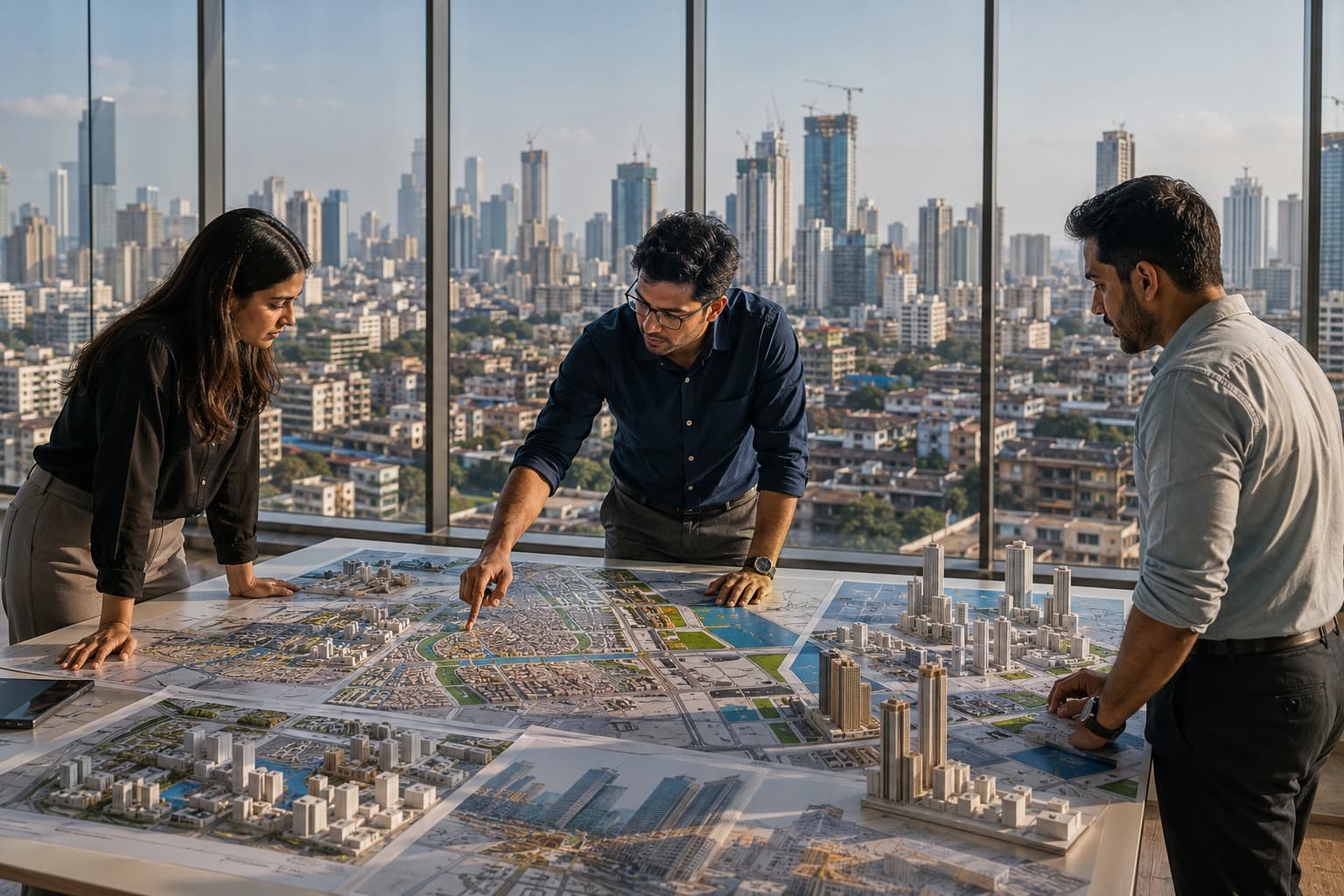
This is the detail that changes the character of the opportunity entirely. Mumbai cluster redevelopment is replacing what used to be a building-by-building exercise. Earlier, a single old housing society would negotiate with one developer and redevelop independently. Today, multiple societies in a locality are combining, opening up larger land parcels and allowing for more efficient planning.
Land parcels above 10,000 square metres accounted for over half of the total redevelopment area in 2026 already. Larger plots attract better developers, enable better infrastructure integration, and typically result in homes with more liveable layouts. For buyers, this transition matters because the quality of what comes out the other end is meaningfully better.
Where the Action Is Concentrated
The Western Suburbs Mumbai redevelopment corridor is carrying the majority of this activity. Around 773 societies are currently under redevelopment in this stretch alone, which runs through some of the city's most sought-after residential addresses. Central suburbs account for another 261 societies. Together, these two zones hold around 95 percent of the city's entire redevelopment pipeline.
Areas including Borivali, Andheri, Bandra, and Ghatkopar are seeing the highest developer interest, driven by established residential ecosystems and consistent occupier demand. Real estate Mumbai buyers looking at redevelopment inventory in these corridors are not just buying into a new building. They are buying into a neighbourhood that is being structurally upgraded around them.
A Revenue Story for the Government Too
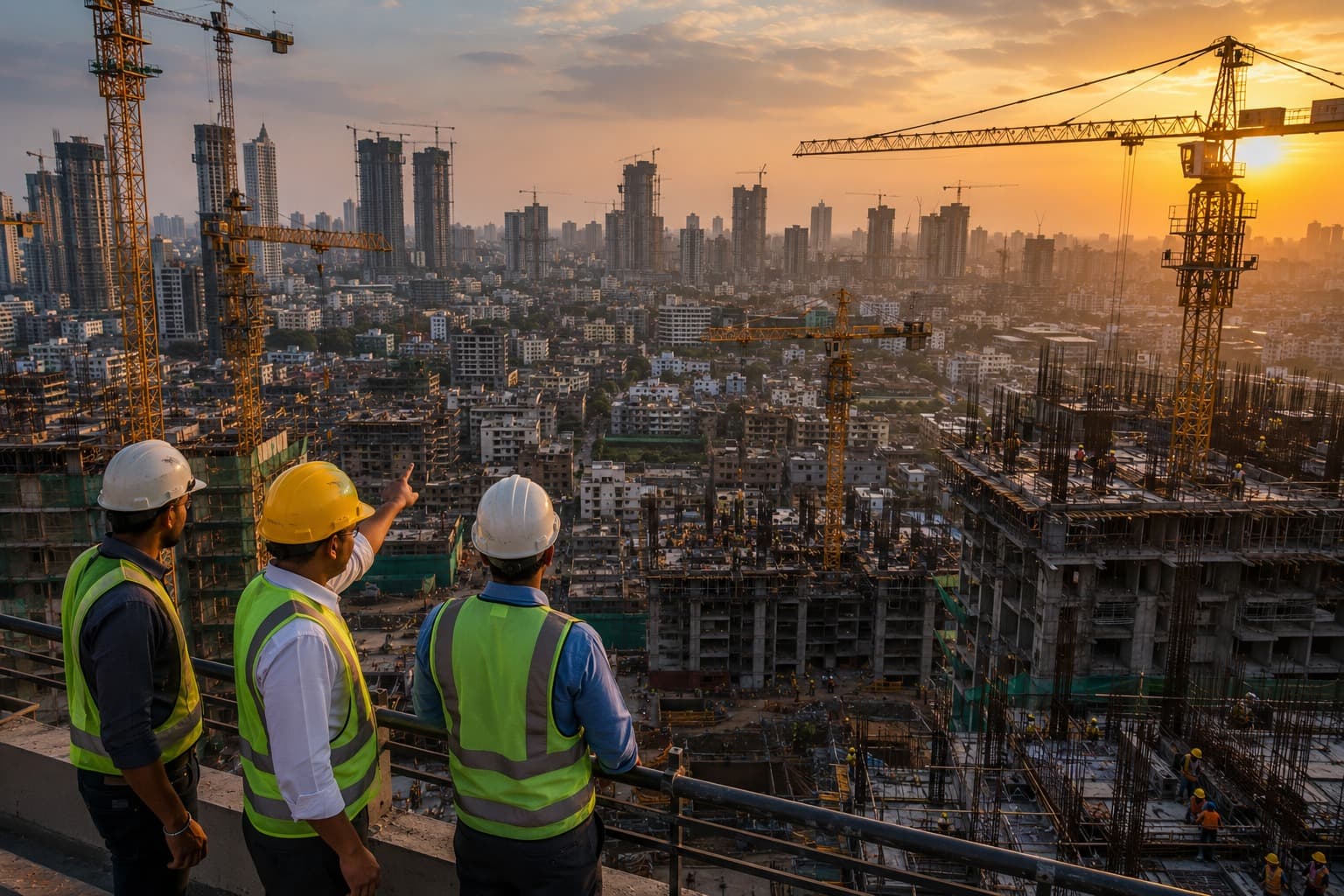
Mumbai housing supply 2026 through redevelopment is not just a private sector story. Society redevelopment projects are projected to contribute over Rs 9,115 crore in stamp duty revenue over their respective lifecycles. That is a compelling fiscal argument for the state government to keep policy conditions supportive, which in turn reduces the risk for buyers and developers entering this space.
The report also flagged that redevelopment-linked housing accounted for around 8 percent of the city's rental demand by March 2026. Residents displaced from old buildings during construction are renting nearby, which is adding a quiet but consistent floor to rental markets in these suburbs.
Summary
The Mumbai redevelopment pipeline could unlock homes worth Rs 1.5 trillion by 2031, with nearly 59,000 units spread across 1,094 societies currently in active development. Knight Frank Mumbai report data confirms that the Western Suburbs Mumbai redevelopment corridor leads the charge, with Mumbai cluster redevelopment now replacing single-building projects at scale. For buyers and investors, this structural transition in Mumbai housing supply 2026 represents one of the more compelling long-term opportunities in Indian real estate Mumbai today.
Video will be embedded from: https://www.youtube.com/watch?v=PgiSLnIMYik