
What Every NRI Owning a Plot in India Needs to Know About Land Taxes
Summary
NRIs selling undeveloped plots in India face specific tax rules. Understand long/short-term capital gains (12.5% vs slab rates, no indexation), manage high TDS via certificate, and explore Section 54F reinvestment for exemptions.

The Plot You Almost Forgot
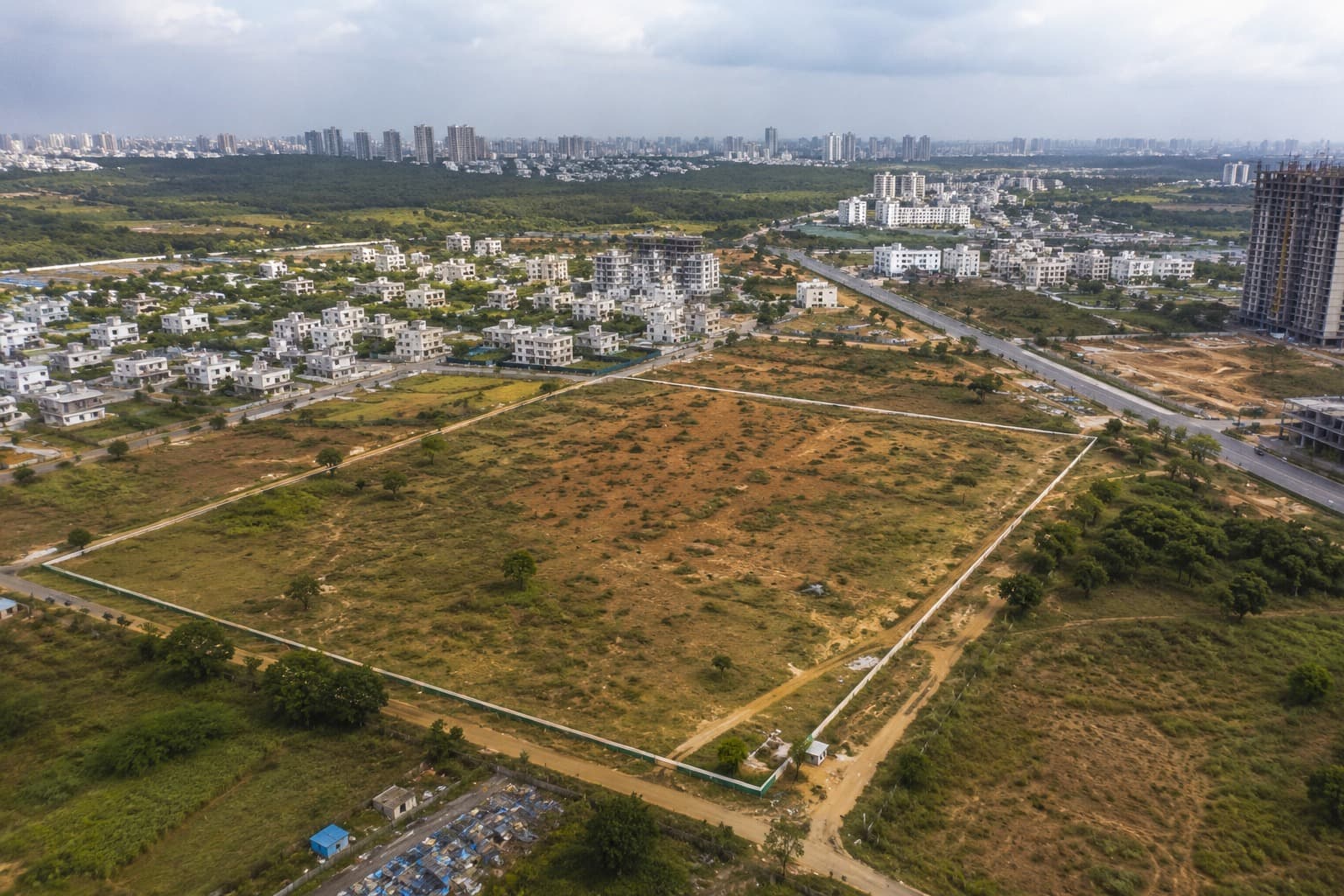
Somewhere in a tier-two city or a village on the outskirts of a growing Indian town, thousands of NRIs are sitting on pieces of land they purchased years ago, or perhaps inherited from a parent or grandparent. These plots sit undeveloped, quietly appreciating while the owner lives abroad. And at some point, when the decision to sell finally arrives, the tax question hits hard. How is undeveloped land taxed for NRI in India? The answer is layered, and getting it wrong can cost lakhs.
Is Vacant Land Treated Differently?
Many NRIs assume that because a plot has no structure on it, it falls into a simpler tax category. It does not. Under Indian income tax law, vacant land is classified as a capital asset in exactly the same way a built apartment is. So when you sell it, the profit is treated as NRI capital gains, and the tax rules are the same ones that apply to any immovable property transaction.
The one exception worth knowing: rural agricultural land located in specific remote areas is not classified as a capital asset under the Income Tax Act. But if your plot falls inside a municipal boundary or within a defined distance of a town, it qualifies as a capital asset and every rupee of profit is taxable.
Short-Term or Long-Term: The 24-Month Line
The holding period decides everything. If you have owned the land for more than 24 months before selling, it qualifies as a long-term asset. Profit from that sale attracts long-term capital gains tax at 12.5 percent, without the benefit of indexation, as the rules now stand after changes made in July 2024. Before that date, sellers could inflate their purchase cost using the Cost Inflation Index, which often reduced the taxable amount significantly. That window has now closed.
If the land has been held for 24 months or less, the gains are short-term. These get added to your total India income and taxed at applicable slab rates, which can go as high as 30 percent. The difference between these two scenarios can be very significant, especially on plots bought at low prices in areas that have since appreciated sharply.
TDS: The First Blow
Here is what surprises most sellers. When a NRI selling plot in India completes a transaction, the buyer is legally required to deduct tax at source before paying a single rupee. For long-term gains, TDS sits at 12.5 percent plus surcharge and cess. For short-term, it can reach 30 percent and above. And critically, TDS is usually applied on the full sale value by default, not just the actual profit.
This means if you sell a plot for Rs 80 lakh that you bought for Rs 15 lakh, the buyer may deduct TDS on the entire Rs 80 lakh. Your actual gain is Rs 65 lakh, but the deduction happens on the gross amount unless you have planned ahead.
The Lower TDS Certificate Route
NRIs who expect their actual tax liability to be much lower than the default TDS amount have one smart option: apply for a Lower Deduction Certificate from the Income Tax Department before the sale. Once granted, the buyer deducts tax only on the computed gain rather than the full consideration. This one step can prevent a major cash flow problem at closing.
Saving Tax on a Plot Sale: Section 54F

Plots and vacant land fall outside Section 54, which covers residential property. But NRI tax exemption on sale of undeveloped plot under Section 54F is very much available. If you take the entire sale proceeds from a vacant plot sale by NRI and reinvest that amount into a residential house in India within two years, or build one within three years, the capital gains can be claimed as exempt.
The key word is entire sale proceeds, not just the gain. And the NRI must not own more than one residential house at the time of claiming this exemption.
What Changed in Budget 2026
One practical headache has eased. From October 2026, buyers will no longer need a TAN to deposit TDS on NRI property transactions. They can use their PAN instead. This simplifies the process, particularly in smaller towns where many buyers struggle with TAN registration.
Summary
Tax on undeveloped land for NRI follows the same capital gains framework as any other property. Held beyond 24 months, NRI capital gains on vacant plot attract 12.5 percent long-term tax without indexation. Held shorter, slab rates apply. TDS on NRI selling vacant land is deducted on the full sale value unless a Lower Deduction Certificate is obtained. Section 54F offers a meaningful exemption route if sale proceeds are reinvested in a residential house. NRIs planning a plot sale in India should begin tax planning well before listing the land.