
The Document Most Homebuyers Forget to Ask For Until It Is Too Late
Summary
The Occupancy Certificate (OC) is a critical, often overlooked legal document certifying a home's habitability. Without it, properties risk legal issues, financing denial, utility problems, and poor resale value. Homebuyers must verify OC status before possession to ensure legal compliance and avoid significant future complications.

Introduction
You have signed the agreement. You have paid in full. The builder hands you the keys and says possession is ready. Most buyers at this point feel the job is done. But one critical question needs answering before you touch that key: has the builder actually obtained the Occupancy Certificate?
This single document separates a legally habitable home from one that exists in a grey zone. And in India, far more properties fall into that grey zone than most buyers realise.
What an Occupancy Certificate Actually Is
The OC document is an official certificate issued by the local municipal or development authority after a completed building has been inspected and confirmed to comply with the approved construction plan, structural safety norms, fire safety requirements, and sanitation standards. It is the civic body's way of stating, on record, that human beings may lawfully occupy this structure.
Without this certification, the building is technically treated as unauthorised for residential use regardless of how polished the lobby looks or how many amenities the developer advertised. The Occupancy Certificate is not a formality. It is the legal backbone of your possession.
What RERA Says About It
Under the Real Estate Regulation and Development Act of 2016, developers are required to obtain the OC before possession is handed over to any buyer. This is not optional. RERA treats it as a mandatory obligation on the part of the promoter, not a document to be arranged eventually at some unspecified point after residents have moved in.
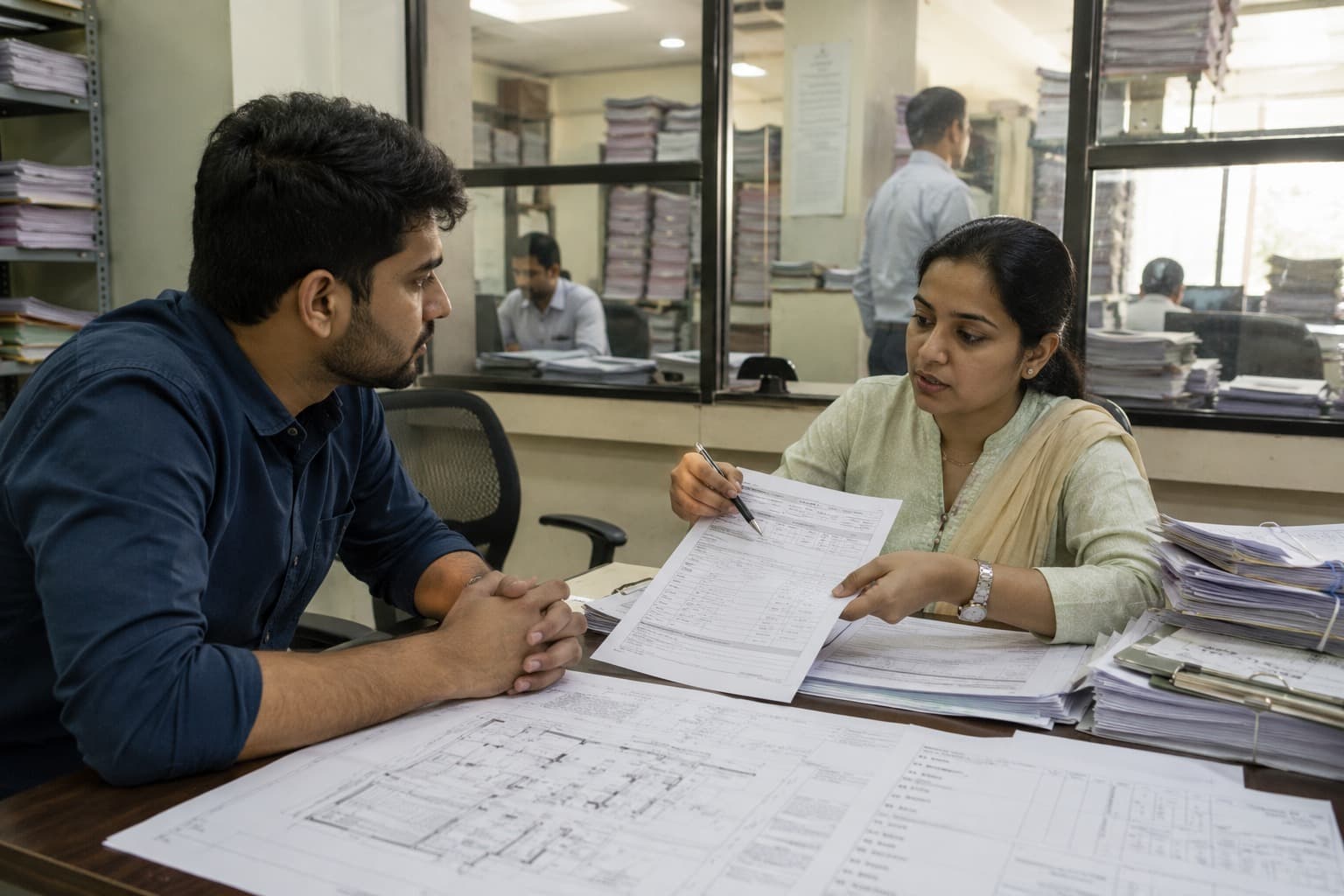
Several state authorities have gone further in reinforcing this. Uttar Pradesh RERA issued a specific directive in 2024 requiring builders to secure either an Occupancy Certificate or a Completion Certificate before issuing any possession letters to buyers. The intent is clear: a builder who cannot produce this document has not, in a legal sense, completed the project.
In November 2025, the National Consumer Disputes Redressal Commission took this position a decisive step further. It ruled that builders who hand over flats without a valid OC are liable to offer buyers full refunds with nine percent annual interest. That judgment has sent a firm signal across the development community that possession without compliance is no longer a tolerable shortcut.
What You Stand to Lose Without It
The consequences of moving into a property that lacks a valid Occupancy Certificate are practical, financial, and legal. Most banks will not extend a home loan, or in some cases will withdraw a disbursed loan, if the property lacks a valid OC at the time of final disbursement. Permanent utility connections for electricity and piped water are often denied to buildings that have not received this clearance. Municipal authorities have the legal power to classify such properties as unauthorised structures, which can lead to penalties or demolition notices in extreme cases.
Resale also becomes complicated. A buyer approaching a financial institution to purchase your flat will face the same loan hurdles you escaped only because you paid in full upfront. That limits your buyer pool and weakens your negotiating position significantly when you eventually want to sell.
The Bengaluru Reality Check
A probe in Bengaluru revealed that out of 36,236 building plans approved by the municipal authority up to May 2025, only around 1,504 had actually received OC certifications. That is barely four percent compliance. This is not a small-city problem or a fringe issue. It is a systemic gap that runs across Indian cities, and buyers who assume their project is in the compliant four percent without actually verifying it are taking a serious risk.

How to Verify Before Moving In
Checking Occupancy Certificate status is not difficult. If your project is registered under RERA, the state's RERA portal carries project compliance information that includes possession-related documents. You can also directly contact the local municipal corporation or development authority with the building's survey number and request confirmation that an OC has been issued.
Do this before taking possession. Not after you have repainted the walls and moved the furniture in.
Summary
The Occupancy Certificate is the most consequential document a homebuyer in India can request and the one most often overlooked in the excitement of possession. RERA OC rules are clear: no builder can legally hand over a flat without it. Properties that lack a valid OC risk losing bank financing, utility connections, and resale value. Understanding what the Occupancy Certificate means and verifying its status before moving in is not extra caution. It is the bare minimum any serious homebuyer should practise.