
Reliance Infra's ₹2,000 Crore Pune-Satara Toll Road Deal: A Complete Analysis
Summary
Reliance Infra's ₹2,000 Cr Pune-Satara toll road deal signifies a strategic shift, transferring control to a new investor. This move benefits Reliance, commuters (with potential improvements), and signals growing monetization trends in India's toll road sector.

Introduction
India’s infrastructure landscape is witnessing fast transformation, with private companies taking major roles in the development and upgrading of highways. One of the most discussed developments is Reliance Infra’s ₹2,000 crore Pune–Satara toll road deal, which has created a strong buzz in the market. The Pune–Satara highway, located along the Mumbai–Bengaluru route, plays a crucial role in connecting Western Maharashtra. Understanding the details of this toll road project is important because it affects not only the corporate world but also commuters, logistics operators, tourism, industrial trade and regional development.
Overview of the Toll Road Project
The Pune–Satara toll road project covers approximately 140 kilometres and was developed under a build-operate-transfer model. It originally began as a four-lane highway and was later expanded to six lanes to accommodate heavy daily traffic. The corridor is a vital route for inter-state transportation, agricultural supply, tourism, and passenger mobility. The project includes toll plazas, bridges, flyovers, service roads, urban entry-points and safety infrastructure such as crash barriers and signages. For many years, Reliance Infrastructure operated the route through its special-purpose vehicle. The toll road project was regarded as one of the major private infrastructure initiatives in Maharashtra infra news, with the company investing in long-term development and upkeep.
What the ₹2,000 Crore Deal Means
The transfer of the asset under a ₹2,000 crore toll road deal means that operational control, toll revenue rights, and management responsibilities are shifting to a new investor. This business decision marks a strategic move for the company and reflects a broader restructuring pattern in the road sector. Instead of operating multiple toll assets for decades, private developers are beginning to monetise them and redirect funds. For Reliance Infra, the deal is not about stepping away from infrastructure but about selectively exiting projects that have reached maturity so that the capital can be put to new use.
Why Reliance Infra Decided to Sell
Reliance Infrastructure is focusing strongly on strengthening its financial health and concentrating on core areas. Selling the Pune–Satara highway helps generate liquidity and reduce debt significantly. Through this monetisation, the company unlocks money tied up in long-term assets that normally take years to recover. The sale supports future investments and business expansion in sectors that the company considers important for growth, such as power distribution and urban infrastructure. In financial terms, the sale improves cash flow, reduces liabilities and enhances overall balance sheet efficiency, which is a major advantage in competitive markets.

Importance of the Pune–Satara Highway for Maharashtra
The Pune–Satara highway is among the most important road corridors in Western Maharashtra. Shorter travel time, safe roads and smooth traffic directly support the region’s economic progress. Businesses involved in manufacturing, agriculture, construction materials and tourism rely on this connectivity every day. Thousands of vehicles, including transport trucks, commercial vans, and inter-city buses, use the highway from early morning until late at night. Better infrastructure on this stretch results in faster freight movement, reduced fuel usage and lower logistics costs. Because of its importance, this highway has always remained a major subject in NHAI updates and long-term development plans.
Improvements and Benefits for Commuters
The expansion of the highway to six lanes has already resulted in a noticeable reduction in traffic congestion. The surface quality, lighting system, widened shoulders, and dedicated service lanes have improved safety and driving comfort. Under the new management, commuters may expect further upgrades such as real-time traffic monitoring, more efficient toll plaza systems and better emergency services. Technological solutions like FASTag optimisation and intelligent traffic management may shorten long queues and save time. For daily travellers between Pune and Satara, these improvements enhance convenience, reduce stress and increase overall travel reliability.
Impact on Western Maharashtra and Future Development
This deal goes beyond being a corporate restructuring exercise; it has a deep economic impact on Western Maharashtra. Reliable and well-maintained connectivity encourages industrial expansion and attracts new commercial investments. Real estate development around key junctions also increases when highways offer uninterrupted travel. For smaller towns along the corridor, the benefits include better access to education, healthcare, and retail. Local businesses such as restaurants, dhabas, warehouse operators and hospitality players also profit from increased traffic flow. Over time, these combined effects help boost employment and general prosperity in the region.
Why This Deal Matters for the Toll Road Industry in India
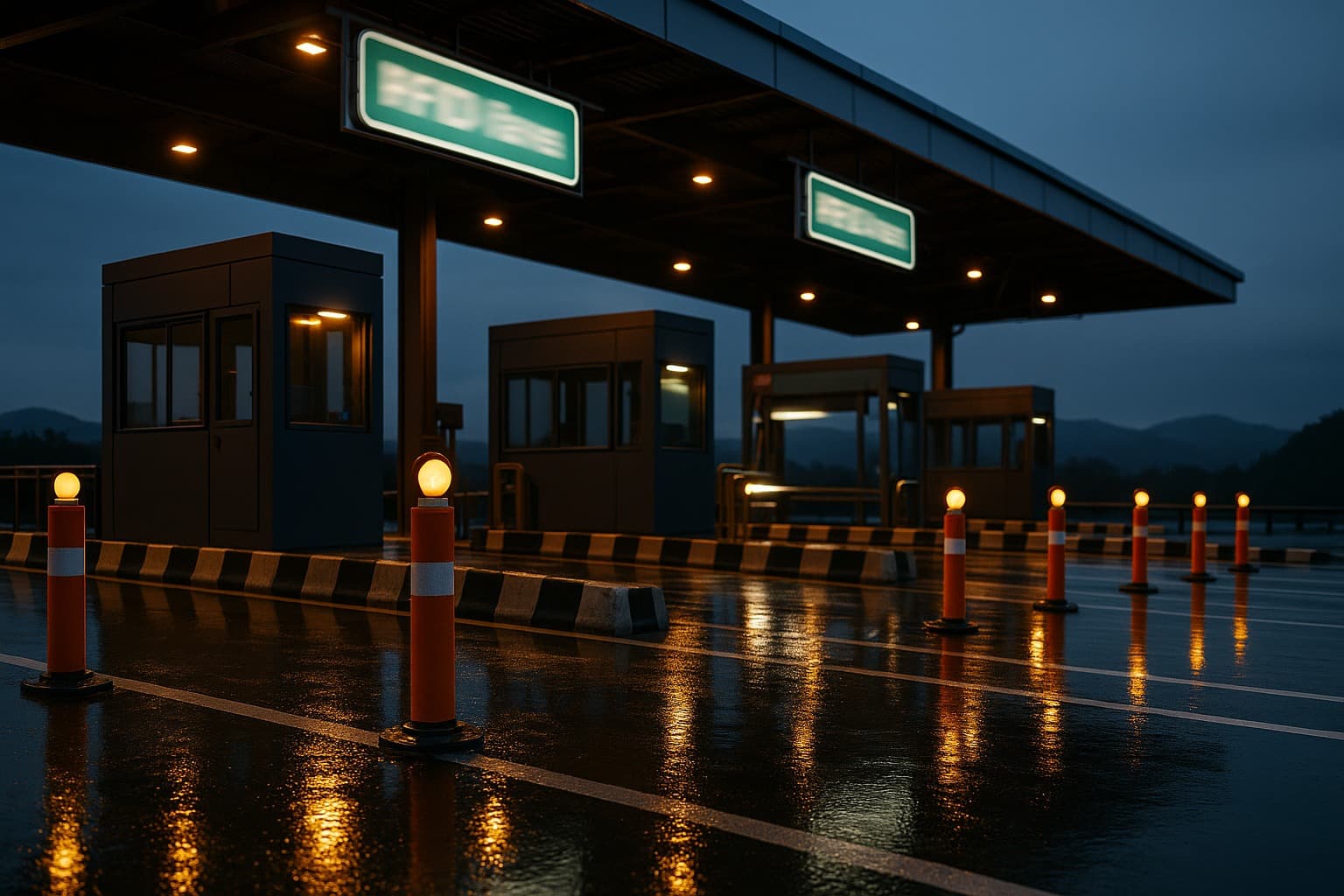
The transfer of the Pune–Satara asset highlights the growing importance of monetisation in the toll-road sector. Developers across India are recognising that selling operational assets can generate capital faster than holding them for multiple decades. Investors, on the other hand, view toll roads as stable long-term infrastructure assets with predictable returns. As a result, interest from global and domestic investment funds continues to increase. Because this model benefits both parties, experts believe that similar toll road transactions may take place across different cities and states in the coming years.
Complete Breakdown of the Deal in Simple Terms
To summarise the structural details of the deal in simple language: Reliance Infra developed and operated the Pune–Satara highway under a concession agreement. The asset is being transferred through a ₹2,000 crore toll road deal to a new investor. The new buyer receives full rights to toll revenue and highway management for the remainder of the concession period. Reliance Infra uses the funds to reduce debt and strengthen its balance sheet. For road users, commute remains uninterrupted, with expectations of improved services and further upgrades.This demonstrates how highway monetisation supports both businesses and regional transport development.
Summary
Reliance Infra’s ₹2,000 crore Pune–Satara toll road deal marks a major shift in infrastructure ownership and financial strategy. The 140-km highway remains essential for Western Maharashtra, supporting passenger mobility and logistics activities. The transaction helps Reliance reduce debt and focus on priority business sectors. For commuters, the deal opens possibilities of improved road quality, maintenance and toll management. This monetisation model also signals a strong future for private investment in India’s toll-road sector and long-term highway development across major routes.