
Pune's 23 Villages: A New Era of Urban Planning and Development
Summary
Pune's 23 merged villages are set for a new era of urban development under PMC control, promising better infrastructure and planning. This shift aims to address past inconsistencies, creating self-sufficient urban pockets with improved services for residents and investors.

Pune’s 23 Villages Get a Fresh Start: A New Chapter in Urban Planning
Introduction Pune is witnessing one of its most important transformation phases in recent years. With the government focusing on Pune urban expansion and structured development, the newly merged areas are finally receiving long-awaited attention. The decision to bring Pune merged villages under stronger civic supervision is not just administrative. It directly affects homebuyers, developers, and residents. Under the leadership of the PMC planning authority, the city is trying to correct years of uneven growth and prepare for steady Pune real estate growth through proper Integrated town planning.
Background of the 23 Merged Villages
In 2021, several villages were added to Pune’s municipal limits. This move was meant to bring them into the mainstream of 23 villages Pune development. However, after merging, these areas remained in a grey zone for years. Development happened, but without coordination. Builders moved fast, while basic facilities lagged behind. Over time, this gap became visible in daily life, whether through water shortages, narrow roads, or poor drainage. Residents felt urban in name, but rural in services.
The Vision Behind Integrated Town Planning
The state government has now approved fifteen large planning schemes under the banner of Pune 23 villages integrated town planning schemes. These projects aim to create self-sufficient urban pockets with housing, roads, utilities, and social infrastructure. Officials describe this as building “another Pune within Pune.” The focus is not only on construction but on long-term planned development in Pune fringe areas. It is about balance. Growth should match capacity, not overrun it.
Shift of Power: From PMRDA to PMC
Earlier, permissions were handled by a regional body, which led to frequent PMRDA PMC conflict. Revenue went to one authority, while service responsibility lay with another. This mismatch caused confusion and delays. Now, the authority has shifted. With PMC control over building permissions in merged villages, approvals will be issued where infrastructure actually exists. This change strengthens PMC building permissions and improves accountability. Simply put, the same body will now approve buildings and ensure water, roads, and drainage.
Why Permissions Matter for Homebuyers
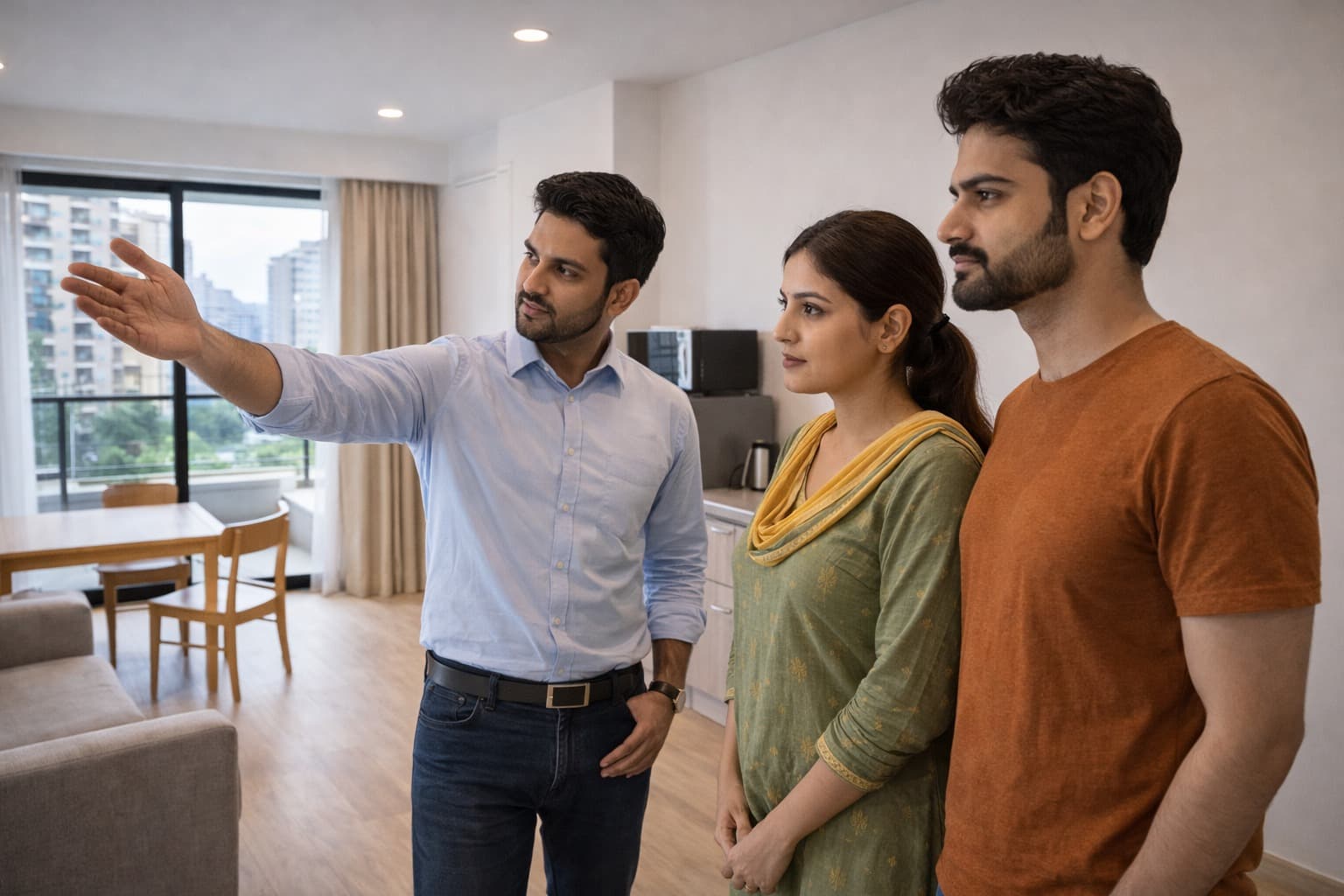
For buyers, paperwork may sound boring, but it decides everything. In the past, many families booked homes that later faced basic issues. No proper roads. Irregular water. Poor drainage. The new system focuses on the impact of PMC planning authority on homebuyers. Construction will be linked to service readiness. This reduces risk. Buyers can now trust that permissions are not just stamps, but checks based on reality. Over time, this builds confidence in new projects.
Accelerating Stalled Development Projects
At a recent review meeting, the Chief Minister stressed the need for faster Pune ITP schemes progress, especially in delayed zones like Maan–Mhalunge. Delays hurt everyone. Developers lose money. Buyers wait endlessly. Infrastructure falls behind. By setting timelines, the government wants momentum. Officials have been asked to submit regular updates. This push signals seriousness. It is not about announcing projects anymore, but finishing them, slowly maybe, but surely.
Infrastructure First: Roads, Water, and Drainage
One major complaint in merged villages has been weak services. Without strong Pune infrastructure planning, buildings become islands. People live there, but travel becomes painful. Water tankers replace pipelines. Flooding replaces drainage. Under the new approach, infrastructure will be assessed before approvals. Roads, storm-water systems, and water supply are treated as foundations, not afterthoughts. This sounds simple, but for many residents, it feels like a long-awaited correction.
Administrative Coordination and Governance
Better planning also needs better coordination. Senior officials from multiple departments now review projects together. The PMC commissioner, district collector, and metropolitan commissioner share data and progress. This reduces overlap and confusion. Earlier, files moved slowly between offices. Now, decisions are being centralised. Governance may still be imperfect, yes, but the intent is visible. Over time, smoother systems can improve both speed and transparency.
Impact on Property Prices and Investments
Whenever planning improves, markets respond. Clear rules and reliable infrastructure usually push demand. In the coming years, these villages may become attractive residential hubs. With better services and stable governance, investors are already watching closely. The future of real estate in Pune outskirts looks more organised than before. Prices may rise gradually, not suddenly. For end-users, this means better livability. For investors, it means lower long-term risk.
Challenges That Still Remain
Despite progress, challenges remain. Implementation takes time. Land acquisition issues, local resistance, and technical delays can slow work. Some areas may still face temporary shortages. Also, coordination between agencies must stay consistent. If monitoring weakens, old habits may return. So, while the vision is strong, execution will decide success. Residents and buyers must stay informed and engaged, rather than assuming everything will be perfect overnight.
Conclusion: A Step Toward Balanced Growth
Pune’s decision to bring its merged villages under direct municipal planning reflects maturity in urban policy. It recognises that fast growth without structure harms everyone. By aligning permissions, infrastructure, and governance, the city is moving toward sustainable development. There may be pauses, small errors, and slow patches, but the direction is clear. For thousands of families living in these areas, this change represents not just policy, but hope for better daily life.
Summary
Pune’s decision to bring 23 merged villages under PMC control marks a turning point for balanced urban growth. With clearer permissions, stronger infrastructure checks, and faster town planning, homebuyers and developers can expect more certainty. The shift reduces conflicts, links construction to basic services, and supports long-term planning. While challenges remain in execution and timelines, the integrated approach promises better roads, water, and governance. For investors and residents, this move signals a more organised, transparent, and sustainable future for Pune’s expanding outskirts in coming years.
Video will be embedded from: https://www.youtube.com/watch?v=fW9z-VU5NhE