
Pune-Lonavla Railway Expansion: Impact on Commuters, Economy, and Real Estate
Summary
The Pune-Lonavla railway expansion project adds two new tracks to alleviate congestion, separate traffic, and boost the regional economy. It's expected to improve commuting, freight movement, and influence real estate development along the corridor.

Pune–Lonavla Third & Fourth Railway Line: Traffic Relief or New Property Boom?
The Pune–Lonavla Third & Fourth Railway Line project has received formal approval from the Maharashtra government, marking a major upgrade to one of the busiest suburban rail corridors in the state. The project aims to add two additional railway tracks alongside the existing double line between Pune and Lonavla. This route is a crucial link for daily commuters, long-distance passengers, and freight movement, and has been operating under severe pressure for several years.
With this approval, the government has acknowledged the urgent need to expand rail capacity to support Pune’s rapid urban and economic growth. The project is being viewed as both a mobility solution and a long-term development catalyst.
Why the Pune–Lonavla Corridor Is Overburdened
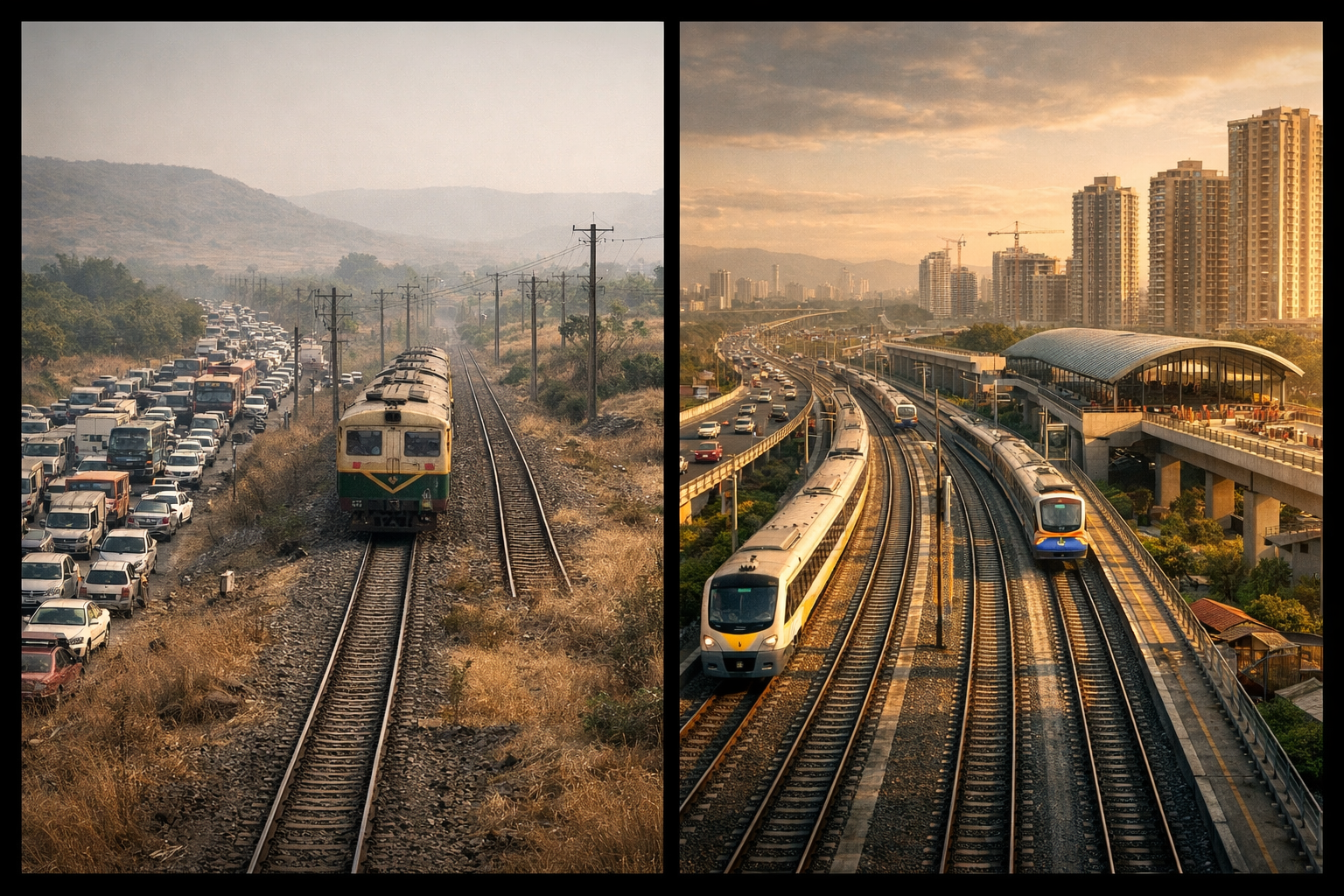
The Pune–Lonavla rail stretch carries a heavy mix of suburban trains, express services, and freight traffic. Currently, all these services run on just two tracks, resulting in frequent congestion, delays, and overcrowding, especially during peak hours. Official assessments indicate that the corridor is operating beyond its designed capacity.
Daily commuters often face unpredictable travel times, with suburban services halted to allow faster long-distance trains to pass. This operational limitation has made the case for additional railway lines unavoidable.
Scope and Length of the Railway Expansion
The third and fourth railway lines will span approximately 63.87 kilometres, running parallel to the existing tracks between Pune Junction and Lonavla. Once completed, the expanded corridor will allow better segregation of train movement.
Suburban local trains are expected to use the original tracks, while long-distance passenger and goods trains will be diverted to the newly constructed lines. This structural change is expected to significantly improve efficiency, punctuality, and safety across the network.
Project Cost and Funding Structure
The total estimated cost of the Pune–Lonavla Third & Fourth Railway Line project is around ₹5,100 crore. The funding follows a shared model, with contributions from both the Central government and the Maharashtra government.
Local authorities such as the Pune Municipal Corporation (PMC), Pimpri-Chinchwad Municipal Corporation (PCMC), and the Pune Metropolitan Region Development Authority (PMRDA) will also contribute to the state’s share. This collaborative funding approach highlights the regional importance of the project and its expected benefits across municipal boundaries.
Role of Mumbai Railway Vikas Corporation
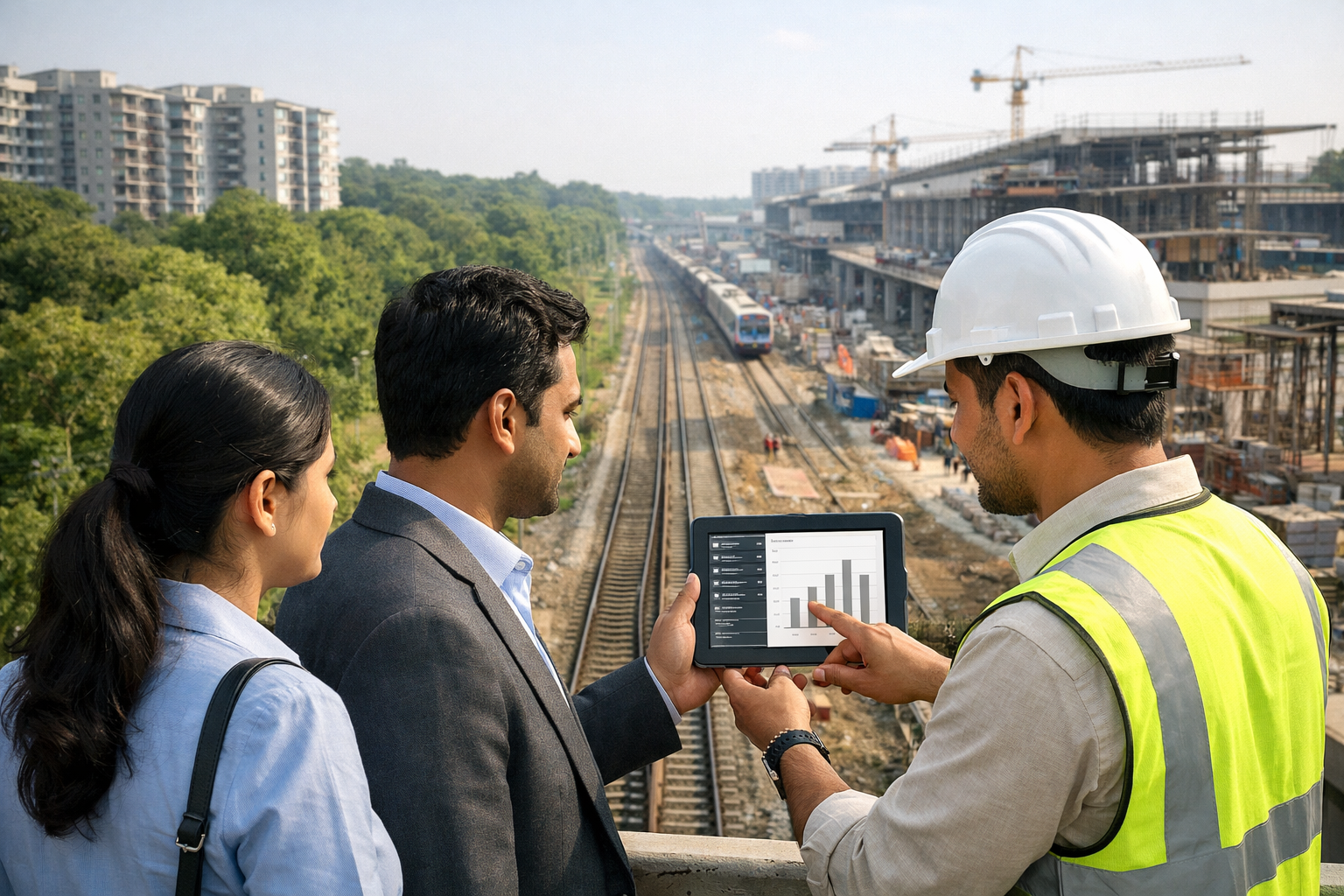
The project will be executed by the Mumbai Railway Vikas Corporation (MRVC), an agency with experience in implementing large-scale suburban railway upgrades. MRVC will be responsible for planning, design, land coordination, and construction.
Preliminary activities such as surveys, technical assessments, and environmental evaluations are expected to begin in the initial phase. While exact completion timelines have not yet been announced, the project is being treated as a priority infrastructure initiative.
Benefits for Daily Commuters
One of the most immediate advantages of the project will be improved commuter convenience. With dedicated tracks, suburban trains can operate at higher frequency and with fewer interruptions. This is expected to reduce overcrowding and make travel between Pune, Pimpri-Chinchwad, and Lonavla more predictable.
Shorter waiting times and better scheduling could also encourage more people to shift from road transport to rail, easing congestion on highways and expressways connecting Pune and Mumbai.
Boost to Freight Movement and Regional Economy
The additional railway lines will play a crucial role in improving freight movement. Pune is a major industrial hub with strong automotive, manufacturing, and logistics sectors. Currently, freight trains often face delays due to mixed traffic conditions.
Dedicated lines for long-distance and goods trains will improve turnaround times, reduce logistics costs, and enhance supply chain efficiency.
Impact on Urban Planning and Connectivity
The railway expansion fits into a broader push for integrated urban infrastructure development in Maharashtra. Along with metro projects, road upgrades, and suburban rail improvements, the Pune–Lonavla corridor is being positioned as a key growth spine.
Better rail connectivity supports decentralised urban growth by making peripheral and semi-urban areas more accessible. This helps reduce pressure on Pune’s core city while encouraging balanced regional development.
Real Estate and Property Market Implications
Infrastructure upgrades often influence real estate demand, and the Pune–Lonavla railway expansion is no exception. Improved rail access can make locations along the corridor more attractive for homebuyers and investors.
Areas such as Pimpri-Chinchwad, Akurdi, Talegaon, and Lonavla could see increased interest in residential, plotted, and mixed-use developments. Easier commuting makes these areas viable for professionals working in Pune, potentially driving long-term property value appreciation.
Challenges and Execution Risks
Despite its promise, the project faces challenges common to large infrastructure works. Land acquisition, environmental clearances, engineering complexities in hilly terrain, and coordination among multiple agencies could affect timelines.
Ensuring minimal disruption to existing rail services during construction will be critical. Authorities will need to balance execution speed with commuter safety and service continuity.
Long-Term Outlook
The Pune–Lonavla Third & Fourth Railway Line project is more than a capacity upgrade. It represents a strategic investment in mobility, economic efficiency, and regional growth. While its primary objective is traffic relief, its ripple effects on urban development and property markets could be equally significant.
If executed efficiently, the project could redefine commuting patterns, stimulate investment, and reshape the Pune–Lonavla growth corridor for decades to come.
Summary
The Pune–Lonavla Third & Fourth Railway Line project aims to ease congestion on one of Maharashtra’s busiest rail corridors by adding two new tracks over nearly 64 kilometres. Funded jointly by the Central government, Maharashtra government, and local bodies, the project will separate suburban, long-distance, and freight traffic. Along with improving commuter experience and freight efficiency, the expansion is expected to influence urban development and property demand across the Pune–Lonavla region, making it a key infrastructure milestone.
Video will be embedded from: https://www.youtube.com/watch?v=rmu3r9T8h6c