
Mumbai’s Bellasis Bridge: From British-Era Overpass to Modern Cable-Stayed Connector
Summary
Mumbai's Bellasis Bridge is being rebuilt as a modern cable-stayed bridge, replacing the old British-era structure. The new six-lane bridge will improve traffic flow and safety between Nagpada and Tardeo, with completion expected by late 2025.

Introduction
In the heart of Mumbai, between Mumbai Central and Grant Road stations, stands the site of the former Bellasis Bridge — a 130‑year-old Railway Overbridge (ROB) that once connected the eastern Nagpada area to western Tardeo. Built in 1893, the old bridge carried thousands of vehicles daily. Over time, age and wear took their toll. Recognizing the risks and limitations, civic authorities decided to take bold action: demolish the outdated structure and replace it with a modern, cable‑stayed bridge designed to meet Mumbai’s growing traffic and connectivity needs. In this post, we explore the rich history, the redevelopment process, and what the future holds for the new Bellasis bridge.
1. Why the Redevelopment Was Needed
The original Bellasis Bridge served for over a century, but by 2018, a structural audit declared it unfit for continued use. Its metal parts were corroded, carriageways narrow, and clearance over railway tracks insufficient. For a busy connector in South Mumbai carrying 25,000–30,000 motorists daily, this posed a serious safety concern. Also, the old design with three narrow lanes could no longer handle modern traffic flow — congestion was frequent, and the need for a safer, more efficient alternate had become urgent.
2. From Audit to Demolition: The First Steps
Following the audit, authorities under the Brihanmumbai Municipal Corporation (BMC) and Western Railway (WR) began planning for a replacement. After numerous deliberations over which agency would lead, demolition work commenced in June 2024. The decision to rebuild instead of repair was driven by safety, functional requirements, and the long-term vision of improved connectivity.
3. Choosing the Cable‑Stayed Design: What It Means
Rather than simply replicating the old bridge, authorities opted for a modern cable‑stayed steel bridge with a concrete foundation. There are two important reasons for this choice:
Structural Safety and Durability: Steel cables and modern materials ensure the new bridge will be more resilient and require less maintenance than the old ROB.
Minimal Impact on Railway Tracks Below: Because the bridge passes over busy railway lines, a cable‑stayed design reduces the need for deep piling, which helps avoid major disruption to rail traffic.
4. Key Features of the New Bridge
The redesign brings significant upgrades:
The new Bellasis Bridge will have six vehicular lanes, double the old three-lane capacity — a major relief for traffic flow.
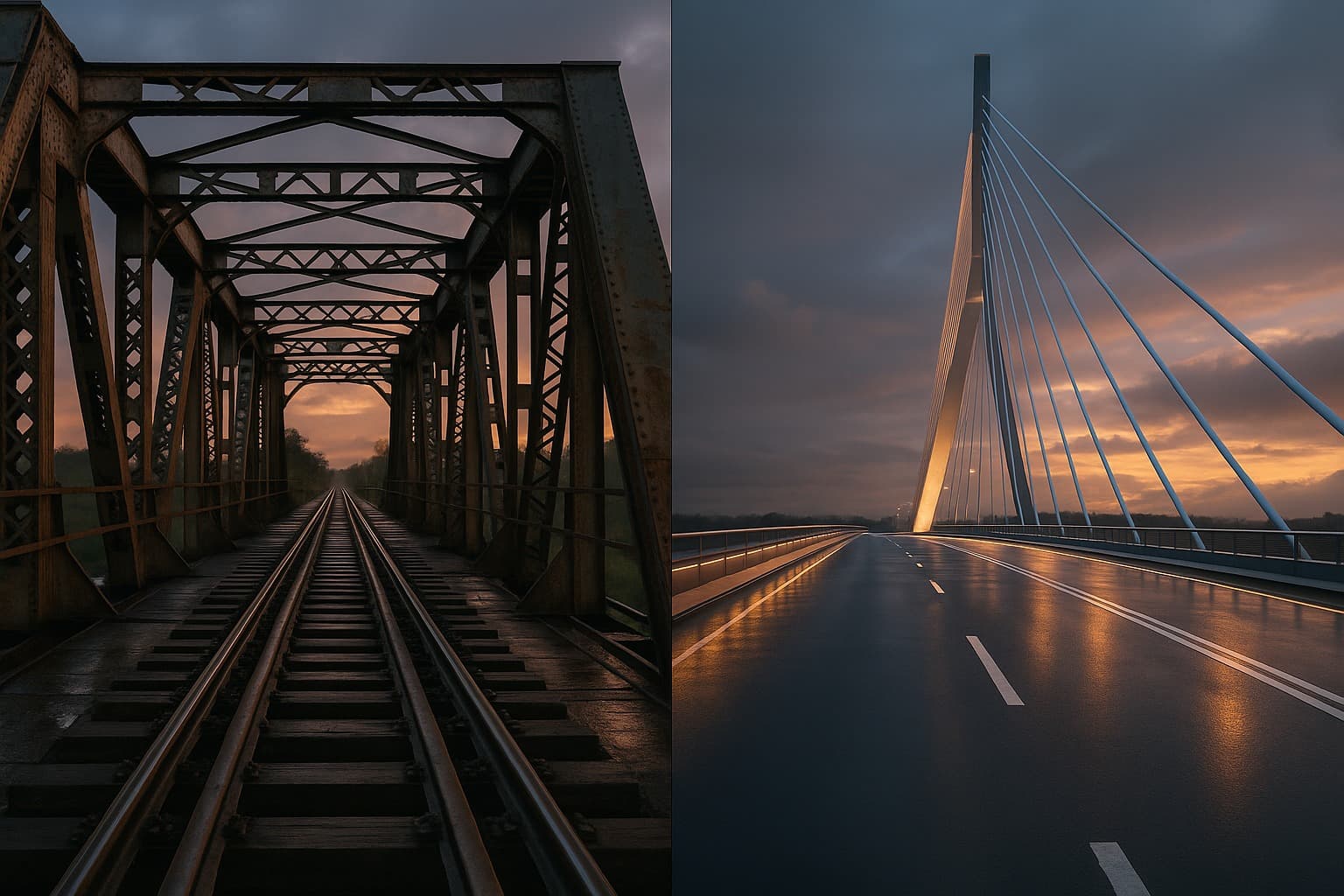
Clearance over railway tracks has been increased to about 6.5 metres, providing better safety and compliance with railway requirements.
The carriageway will span approximately 380 metres in width, accommodating the wider road lanes and improved layout.
Total project cost is estimated at around ₹110 crore — with BMC funding a large share and the railway department contributing the rest.
5. Who Is Executing the Redevelopment — and How Work Is Shared
The execution of the project is a joint endeavor between BMC and Western Railway. The portion of the bridge above the railway tracks is handled by Western Railway; the approach roads on either side fall under BMC responsibility. This collaborative model helps balance civic planning with railway safety — critical for a bridge straddling busy suburban lines.
6. Timeline: What Has Happened So Far — And What’s Ahead
2018 — structural audit flagged the old bridge as unsafe.
June 2024 — old bridge demolition started.
2025 (ongoing) — construction of the new cable‑stayed bridge underway. By mid-2025, 12 iron girders (each 36 metres long) have been installed — a key milestone.
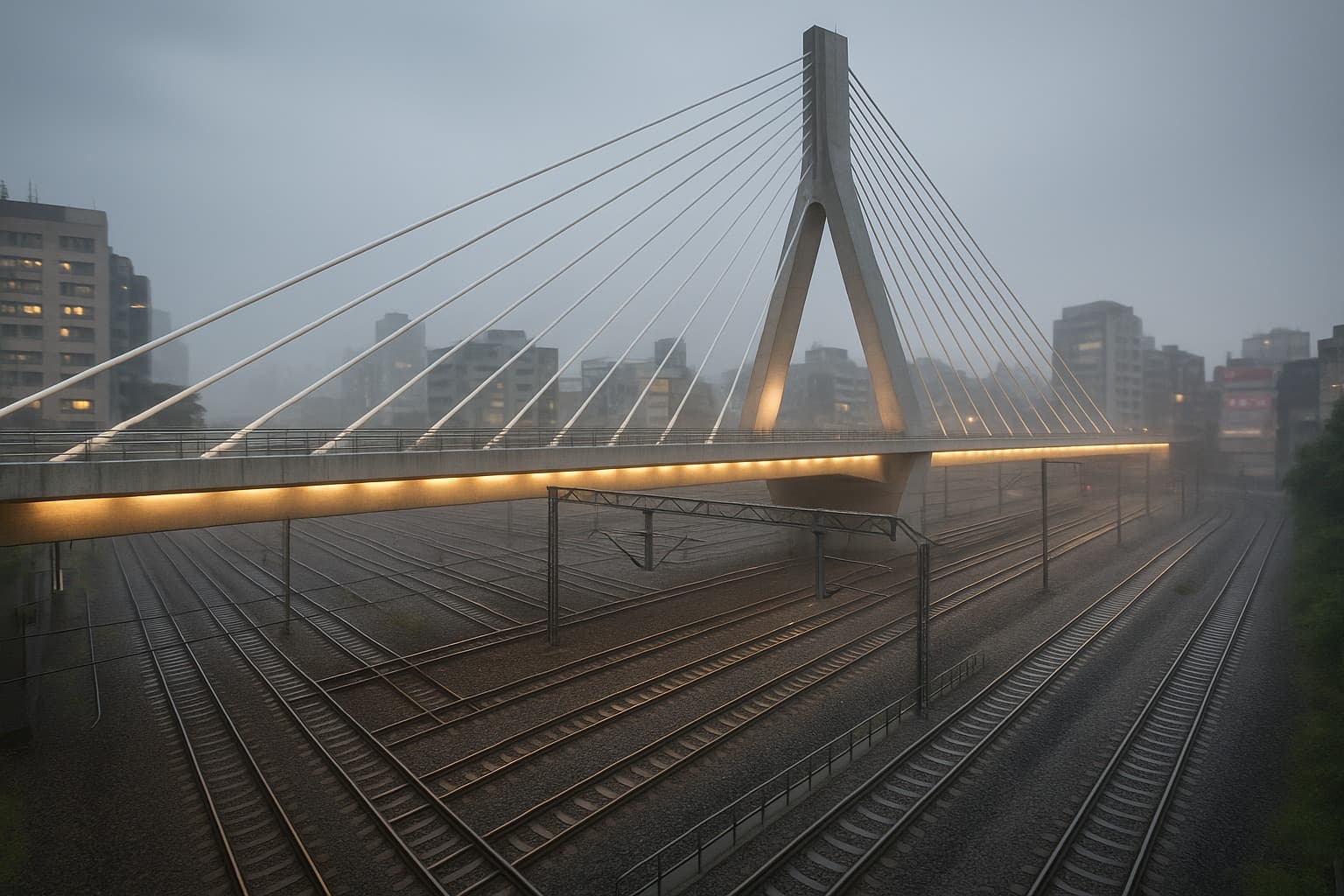
The bridge is likely to be opened to traffic by December 31, 2025, possibly ahead of schedule.
7. What the New Bridge Means for Traffic & Connectivity
Once completed, the new Bellasis Bridge will significantly ease east–west vehicular flow between Nagpada and Tardeo, a route that often faced heavy congestion. Six lanes will allow smoother traffic, reduce bottlenecks, and cut travel time for thousands of daily commuters.
Moreover, increased clearance over railway tracks ensures safer and more reliable infrastructure, reducing the risk of accidents or disruptions. The design also allows for more stable, long-lasting use — meaning less frequent maintenance closures compared to the old bridge.
8. Social and Local Impact — Challenges Faced
The redevelopment, while important, has impacted local residents and businesses. Around 16–23 structures — including a 100‑year-old fish market under the old bridge — were affected by demolition and reconstruction. Some fisher-women have been offered alternative accommodation, while others without valid documents face uncertainty. This highlights a broader reality: large infrastructure upgrades often come with human and social costs that must be managed carefully.
9. Significance in the Larger Mumbai Infrastructure Context
The Bellasis Bridge redevelopment is part of a broader push by civic and railway authorities to upgrade several old British-era overbridges in Mumbai. With growing urban density, increasing vehicles, and aging infrastructure, cable-stayed bridges like Bellasis offer a blueprint for future urban planning: modern, durable, and designed for traffic demands of the 21st century.
For central Mumbai — especially around Mumbai Central / Grant Road — this bridge stands to become a vital artery, improving connectivity, reducing congestion, and improving road safety.
Summary
The redevelopment of Mumbai’s century-old Bellasis Bridge transforms an ageing, narrow overpass into a modern six-lane cable-stayed corridor above busy railway tracks — delivering improved traffic flow between Nagpada and Tardeo. As 12 large girders are already in place and the bridge nears completion by December 2025, daily commuters can look forward to reduced travel time, safer road conditions, and enhanced east–west connectivity. While some local businesses faced relocation challenges, the new bridge marks a significant leap forward in Mumbai’s infrastructure renewal.