
Mumbai Western Railway Safety Upgrade: Impact on Commuters and Homebuyers
Summary
Mumbai's Western Railway is undergoing a massive upgrade, including quadrupling lines, new trains, and station improvements. This overhaul promises safer, more comfortable commutes and increased property values along the western corridor.

Introduction
Every working morning, over 52 lakh people ride Mumbai Western Railway trains. That number, recorded on a single day in January 2026, makes this corridor arguably the busiest suburban rail line anywhere in the world. And for years, its infrastructure has been stretched well past comfortable limits.
That is now changing. A series of coordinated upgrades, platform expansions, new train configurations and a sweeping infrastructure investment plan are reshaping the Mumbai suburban rail network in ways that will affect not just daily commuters but the real estate story of the entire western corridor from Churchgate to Dahanu Road.
The Virar-Dahanu Quadrupling: The Core Upgrade
The most immediately significant project on the western line is the Virar Dahanu Road quadrupling project, which adds two new railway lines to the existing double track across a 64-kilometre stretch. This segment has long been the chokepoint beyond Virar, where trains transition from Mumbai's dense urban core into the extended northern suburbs.
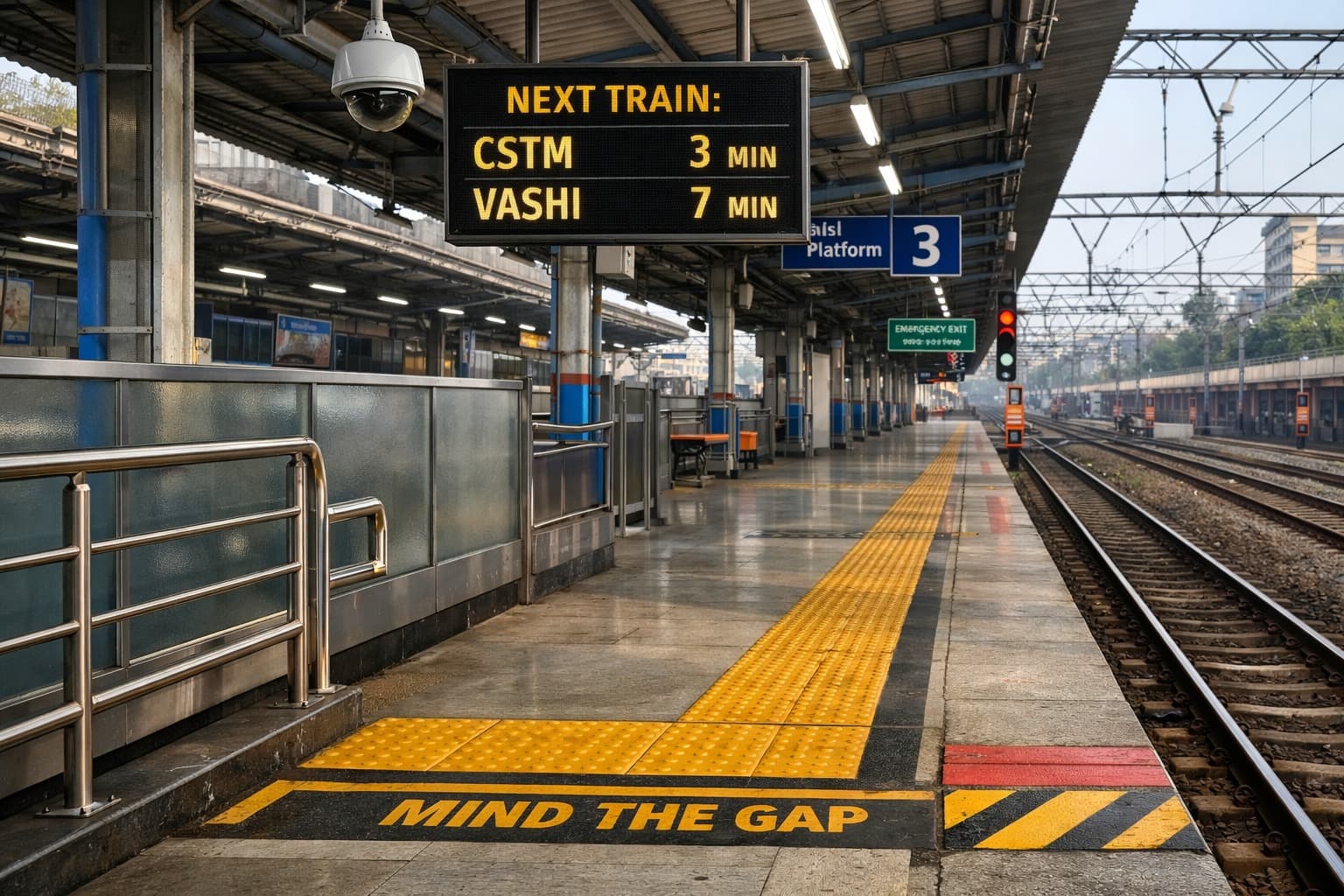
The upgrade at one of the key stations under this project was completed in just four months, which railway officials described as a record given the operational constraints of keeping services running throughout. Platforms 3A and 4A were widened from 6.5 metres to 10.5 metres and extended to handle 15-coach local trains, replacing the earlier 12-coach configuration. An entirely new Platform 5A was also constructed on the western side, adding capacity for scheduling without disrupting existing services. A successful EMU trial run on the upgraded platform took place on April 5, 2026.
Once the platforms are formally handed over, 15-coach locals will run on this stretch, meaningfully increasing the number of passengers each service can carry during peak hours.
The Rs 52,000 Crore Plan Behind It All
The Virar-Dahanu work is one piece of a much larger picture. Under the MUTP Mumbai framework, the Union Government has laid out a comprehensive plan totalling roughly Rs 52,000 crore to overhaul Mumbai's suburban rail network across both Western and Central Railways.
On the western side alone, the Borivali-Virar fifth and sixth line project covering 26 kilometres carries an investment of around Rs 2,184 crore. The Virar-Dahanu Road third and fourth line project, the one producing the current visible upgrades, is budgeted at approximately Rs 3,587 crore across 64 kilometres.
These are not aspirational promises. Construction is actively underway. The March 2026 timetable already added 12 new services following initial phase completions. Station works including platform widening are progressing at multiple locations along the western corridor simultaneously.
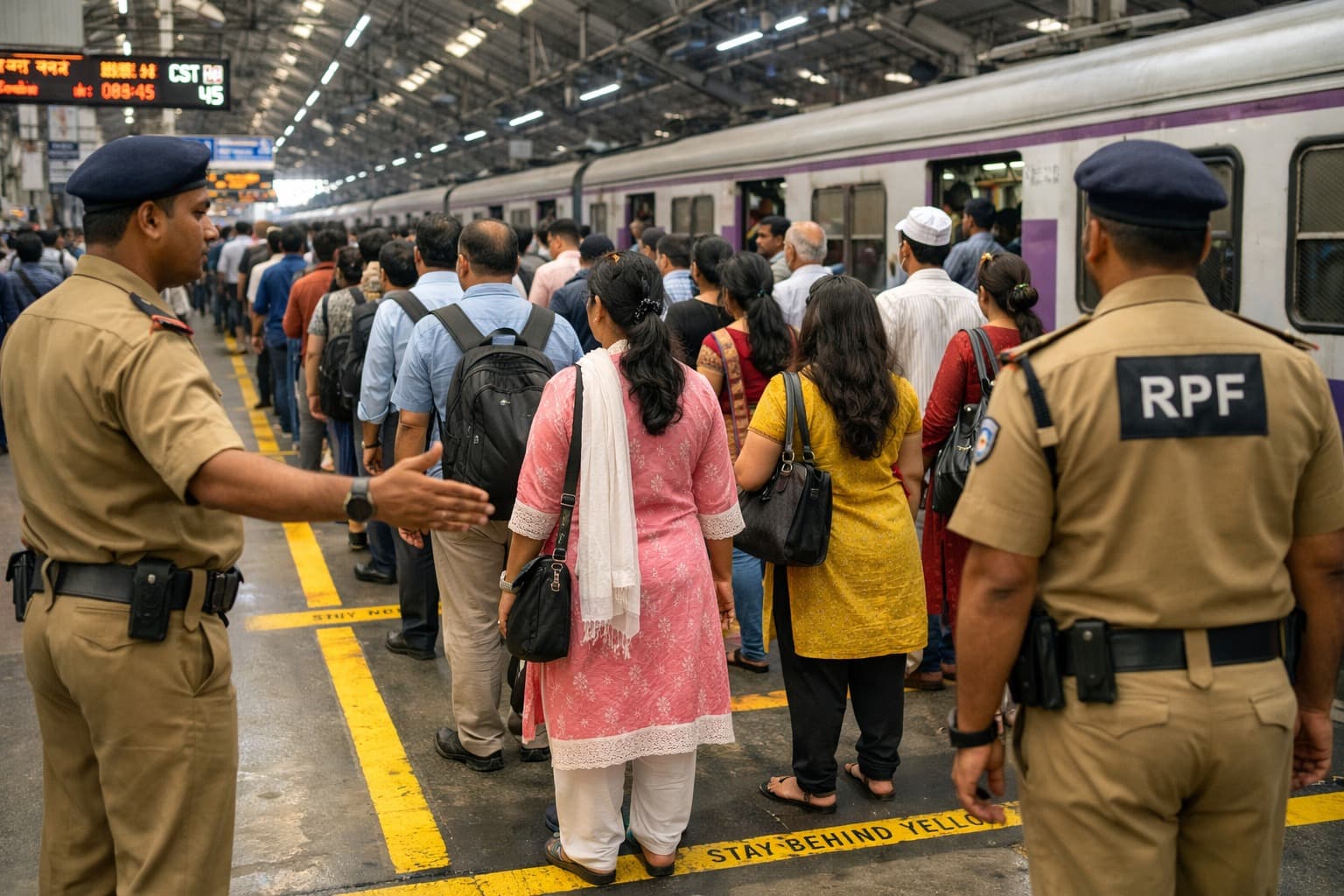
The safety dimension of this upgrade is equally important. Consequential train accidents across India's railways dropped 90 percent between 2014-15 and 2025-26, falling from 135 to 14 annually. The Kavach anti-collision system, now commissioned across 1,452 route kilometres on high-density corridors, adds a further layer of protection. While Kavach is being rolled out primarily on intercity routes first, its integration into the Mumbai network is part of the longer safety roadmap.
238 Vande Metro Trains: The Fleet Overhaul
Parallel to track and platform work, the Mumbai Railway Vikas Corporation has tendered for 238 Vande Metro air-conditioned rakes, procured under MUTP. These trains, configurable as 12-coach or 15-coach sets, will be deployed across both Western and Central Railway suburban networks, eventually replacing the non-AC fleet currently in service.
The first prototype rake requires approximately two years of testing before production deliveries begin. After that, roughly 50 rakes are expected each year until full delivery by 2030. New car sheds are being developed at Vangaon near Dahanu on the western side to maintain this incoming fleet.
This replacement programme means that within five years, the Mumbai local train safety and comfort profile on the western corridor will look fundamentally different from today.
What This Means for Homebuyers Along the Corridor
Infrastructure upgrades of this scale have a direct and measurable impact on real estate along the affected corridors. Properties in Virar, Nalasopara, Vasai, Nallasopara and further north towards Dahanu have historically been priced at a discount relative to south Mumbai and mid-suburbs precisely because commute quality has been poor.
As the 15 coach trains Western Railway begin operations and the quadrupled line reduces overcrowding, travel time and reliability between Dahanu-Virar and the central business districts improve. That travel quality improvement typically translates to rising buyer interest in extended suburbs, narrowing the price gap with better-served locations.
For investors with a five to seven year horizon, the north-western corridor represents one of the more straightforward infrastructure-led appreciation plays in Mumbai today.
Summary
The Mumbai Western Railway safety upgrade combines the Virar Dahanu Road quadrupling project, new 15-coach EMU services, fresh platforms at key stations and a Rs 52,000 crore MUTP Mumbai master plan into the most comprehensive Mumbai suburban rail overhaul in decades. For commuters, it promises relief from overcrowding and improved safety. For homebuyers and investors along the western corridor, it is a structural driver of property value appreciation across Virar, Nalasopara and beyond over the coming years.
Video will be embedded from: https://www.youtube.com/watch?v=bLvRs0t0ljE