
Mumbai-Pune Expressway Missing Link: Shaping Maharashtra's Connectivity
Summary
The Mumbai-Pune Expressway Missing Link, featuring twin tunnels, aims to cut travel time by 30-45 minutes and improve safety. Completion in 2026 promises economic benefits and real estate appreciation along the corridor.

Mumbai-Pune Expressway Missing Link: Maharashtra's Most Anticipated Road Project Finally Takes Shape
Every regular traveller between Mumbai and Pune knows the one stretch that turns a smooth expressway journey into a crawl. The ghat section between Khopoli and Sinhagad, where the old alignment climbs through steep curves and fog-prone terrain, has been the single biggest bottleneck on one of India's busiest intercity corridors for two decades. The Mumbai Pune Expressway Missing Link project is the infrastructure answer to that bottleneck. It is a combination of tunnels and elevated viaducts that will bypass the most congested and accident-prone section of the current alignment entirely. When complete, it will not just save time. It will fundamentally change the risk profile, the reliability, and the economic productivity of the Mumbai-Pune corridor.
What the Missing Link Actually Is
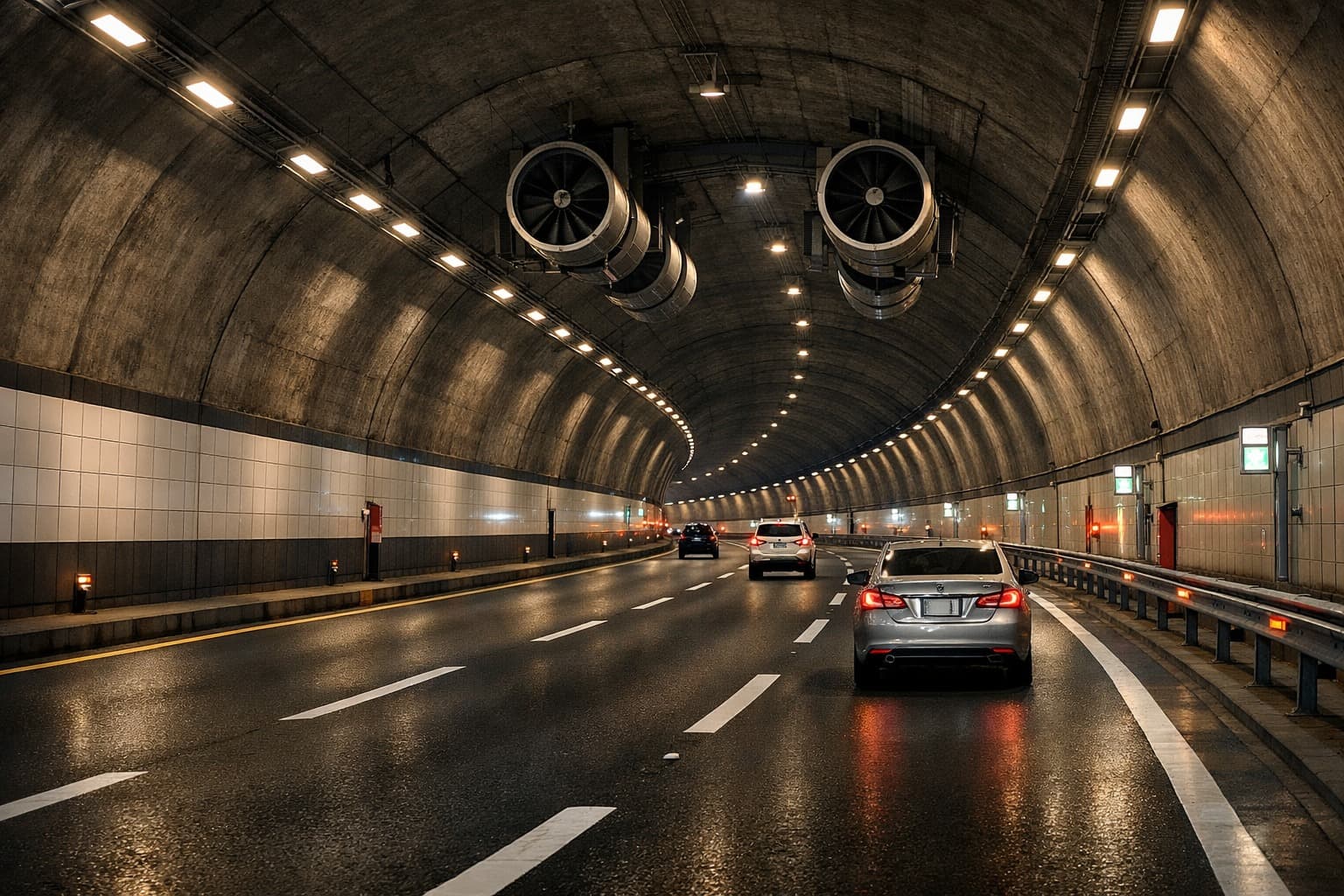
The Mumbai Pune Missing Link is not a simple road widening or a flyover. It is a 13.37-kilometre stretch of new alignment that uses twin tunnels bored through the Sahyadri mountain range to bypass the existing ghat section. The project is being executed by the Maharashtra State Road Development Corporation and has been one of the most technically complex road infrastructure undertakings in Maharashtra's history.
The new alignment runs parallel to but entirely separate from the existing expressway for its critical mountain section. It includes two parallel tunnel tubes, each carrying traffic in one direction, with emergency cross-passages at regular intervals meeting international safety standards.
Why the Existing Ghat Section Is a Problem
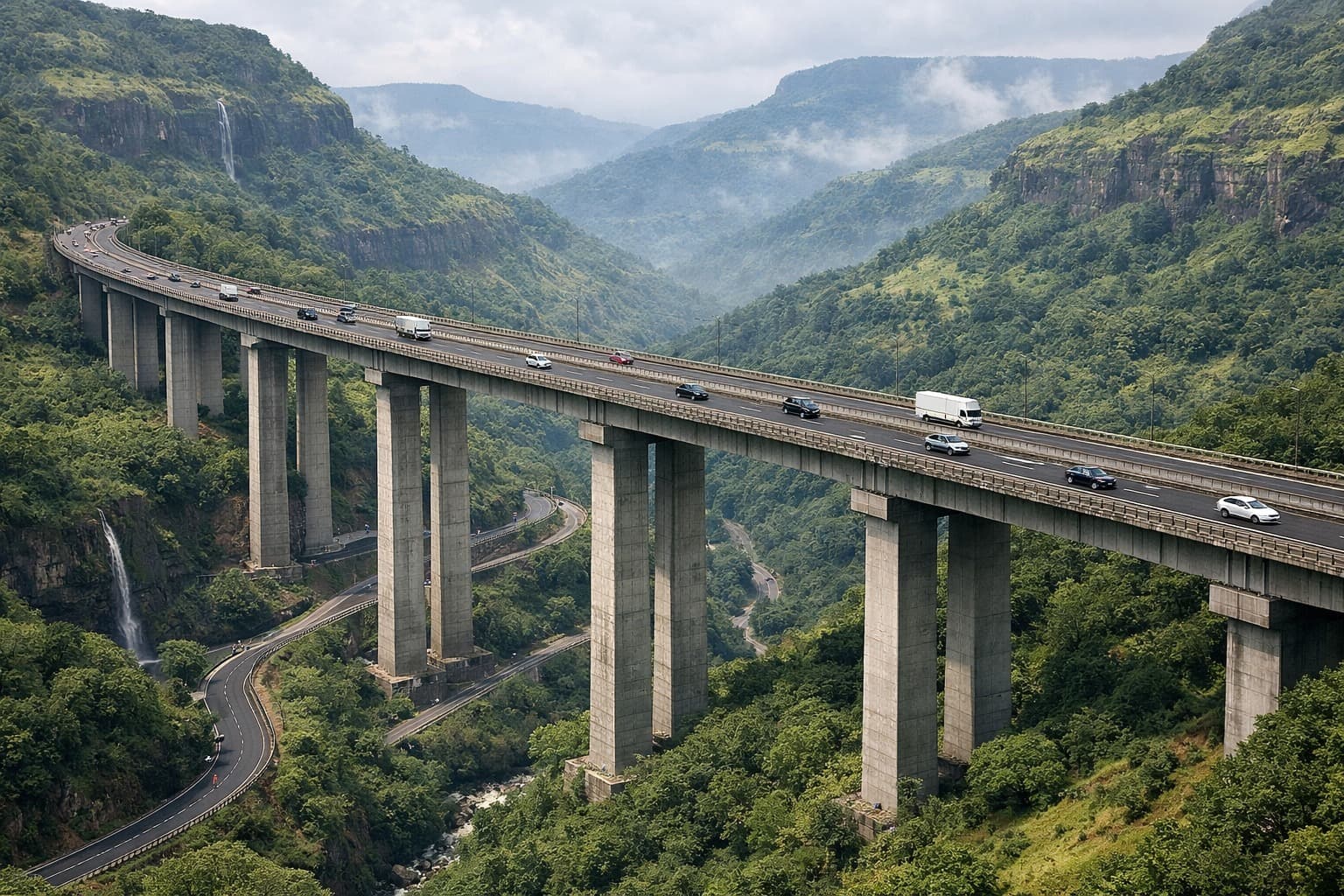
The current ghat section between Khopoli and the expressway plateau handles a volume of traffic it was never designed for. Heavy vehicles struggle with the gradient, creating rolling bottlenecks that cascade through the entire expressway system. Fog and rain during monsoon months reduce visibility to near zero on sections where vehicles are still travelling at speed.
Accident rates on this stretch are disproportionately high relative to the rest of the Mumbai Pune Expressway. The combination of gradient, weather, heavy vehicle volume, and driver fatigue on a route many people drive multiple times a week makes it one of Maharashtra's most consistently dangerous road segments.
Current Status and Completion Timeline
The Mumbai Pune Expressway Missing Link project has been progressing through its tunnel boring and civil construction phases. As of early 2026, significant portions of the tunnelling work have been completed with the project targeting completion and commissioning within 2026. MSRDC has been managing a complex construction environment involving simultaneous tunnelling, viaduct construction, and approach road development across terrain that does not make any of these tasks easy.
The project has faced the delays that almost all major infrastructure tunnelling work in India encounters. Geological surprises, equipment mobilisation challenges, and the sheer difficulty of boring twin tubes through a mountain range have all contributed to a timeline that has stretched beyond original estimates. But the finish line is now visible.
Travel Time Impact: The Numbers That Matter
The headline benefit of the Missing Link Mumbai Pune project is the reduction in travel time between the two cities. Currently the Mumbai to Pune expressway journey takes anywhere from two and a half to four hours depending on traffic, time of day, and weather conditions on the ghat section. The new tunnel alignment is expected to reduce the total journey time by 30 to 45 minutes under normal conditions and by significantly more during monsoon months when the ghat section currently slows to a near standstill.
For the lakhs of people who make this journey daily for work, family, and business, 30 to 45 minutes each way compounds into hundreds of hours per year. That is not a marginal improvement. It is a meaningful quality of life and economic productivity gain.
Real Estate Impact Along the Corridor
The Mumbai Pune Expressway Missing Link's completion will have a measurable and lasting impact on property markets along the corridor. Lonavala and Khandala, which sit directly in the influence zone of the improved connectivity, are already seeing renewed second-home buyer interest from both Mumbai and Pune. The reduction in effective travel time makes weekend use of a Lonavala property more practical for a much larger universe of buyers.
Khopoli and the areas at the Mumbai end of the ghat section will benefit from improved logistics connectivity that supports industrial and warehousing demand. Pune's residential markets in the eastern and southern corridors, which depend on the expressway for Mumbai connectivity, will see rental and ownership demand strengthen as the commute becomes more predictable.
Why This Project Matters Beyond Travel Time
Maharashtra's economic geography is built around the Mumbai-Pune axis. The corridor between these two cities generates a disproportionate share of the state's GDP through manufacturing, IT, financial services, and logistics. Every hour of reduced travel time on this route translates into economic value that multiplies across millions of journeys annually.
The expressway missing link Maharashtra project is therefore not just a road project. It is an economic infrastructure investment whose returns accrue to businesses, workers, property owners, and the state government through improved productivity and tax base growth.
Summary
The Mumbai Pune Expressway Missing Link is Maharashtra's most consequential road infrastructure project of this decade. Twin tunnels bypassing the Sahyadri ghat section will reduce travel time by 30 to 45 minutes, eliminate the corridor's most dangerous stretch, and unlock real estate appreciation across Lonavala, Khopoli, and Pune's expressway-dependent residential markets. The project's 2026 completion target brings one of India's most important intercity corridors to a quality standard that matches its economic significance.
Video will be embedded from: https://www.youtube.com/watch?v=9xXbvAOtBWk