
Mumbai Infrastructure Boost: New Deadlines for Bandra Skywalk, Dharavi Flyover, and Worli Connector
Summary
Mumbai's infrastructure gets a boost with new deadlines for key projects like the Bandra Skywalk, Dharavi Flyover, and Worli Connector. These aim to ease congestion, improve connectivity, and enhance traffic flow across the city.

Introduction
Mumbai’s traffic challenges are not new, but expectations from infrastructure projects continue to rise every year. In 2025, fresh deadlines have been announced for three crucial projects — the Bandra East Skywalk, the Bandra–Dharavi Flyover, and the Worli Connector. These projects are not isolated developments. Together, they form a critical part of Mumbai’s east–west and north–south connectivity plan. Understanding what these new timelines mean in practical terms is important for daily commuters, businesses, and nearby residential markets.
Why These Three Projects Matter Together
Individually, each project targets a local congestion point. Collectively, they address some of Mumbai’s most stressed corridors. Bandra acts as a major transit and commercial node. Dharavi sits at the intersection of multiple arterial routes. Worli connects central Mumbai to key employment and residential zones. Any improvement in these links has a ripple effect across the city’s traffic network.
Bandra East Skywalk: Addressing Station-Level Congestion
Bandra East experiences heavy pedestrian movement due to the railway station, offices, and bus connectivity. The skywalk is designed to separate foot traffic from road traffic, reducing surface-level congestion. New deadlines indicate renewed focus on completing this long-awaited pedestrian infrastructure. Once operational, it can significantly improve safety and reduce bottlenecks around the station area.
Dharavi Flyover: Improving East–West Flow
The Bandra–Dharavi Flyover targets one of Mumbai’s most congested stretches. Dharavi’s dense road network struggles to handle through traffic moving between western suburbs and central Mumbai. The flyover aims to streamline vehicle movement by reducing intersections and signal dependency. Updated timelines suggest a push to bring relief to commuters who currently face daily delays on this route.
Worli Connector: Strengthening South–Central Mumbai Access
Worli plays a key role in connecting South Mumbai with central and western suburbs. The Worli Connector is intended to ease pressure on existing roads and improve travel time between business districts. Delays in this project have affected traffic distribution across nearby areas. Revised deadlines renew hope for better connectivity in a zone critical to Mumbai’s commercial activity.
What New Deadlines Really Signal
Revised deadlines often create mixed reactions. While they acknowledge previous delays, they also indicate administrative clarity and project re-prioritisation. Setting realistic timelines is better than repeatedly missing aggressive targets. The focus now appears to be on execution rather than announcements.
Impact on Daily Commuters
For daily commuters, these projects promise time savings and predictability. Reduced congestion at junctions and smoother traffic flow can improve commute reliability. Even small reductions in travel time can significantly improve quality of life in a city like Mumbai.
Short-Term Pain During Construction
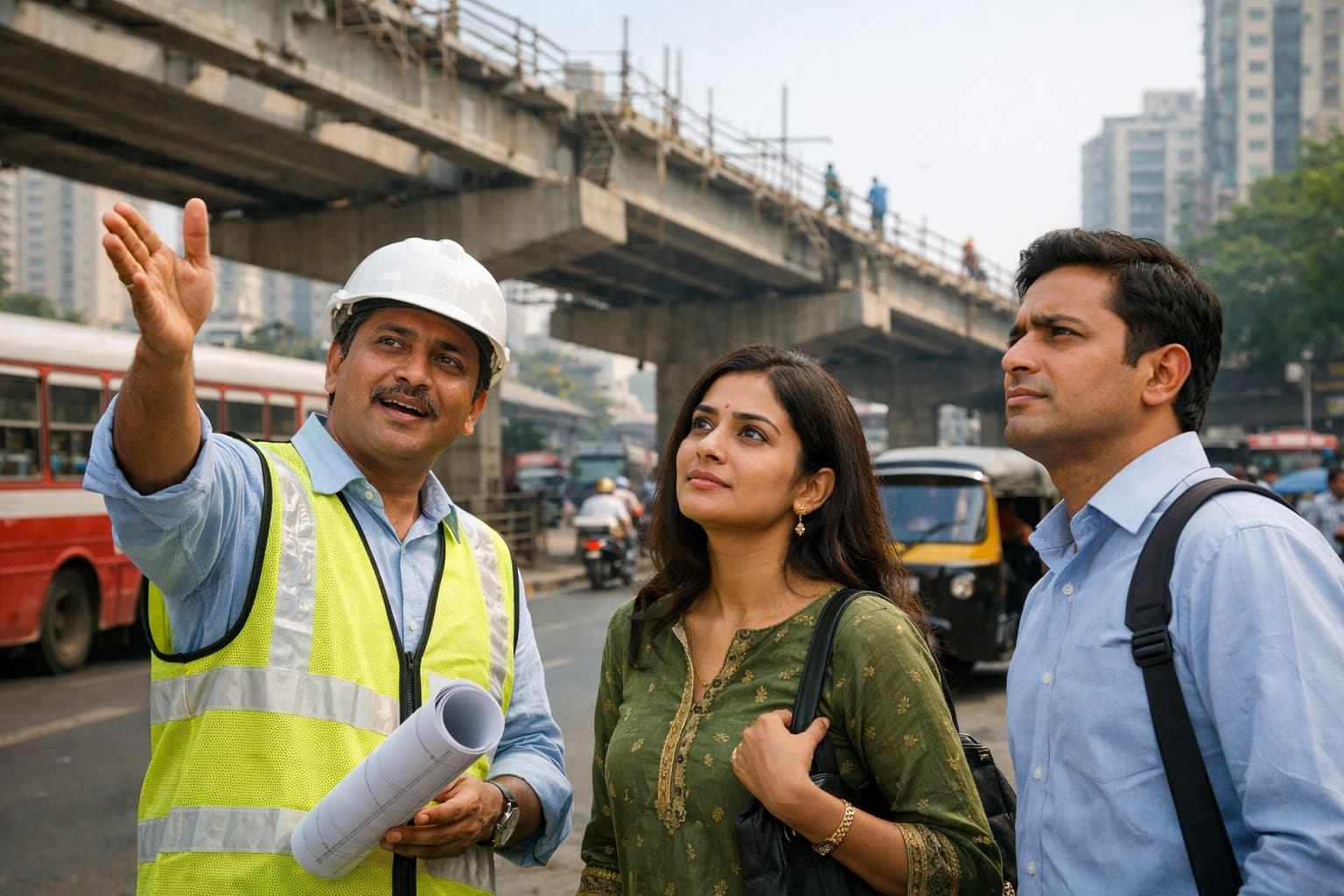
Infrastructure upgrades come with temporary inconvenience. Construction activity leads to diversions, noise, and slower movement. Commuters and residents near these corridors may face disruptions until completion. Clear communication and traffic management during this phase are essential to minimise frustration.
Long-Term Traffic Management Benefits
Once completed, these projects can redistribute traffic more evenly across the network. Grade separation reduces signal dependency and conflict points. Over time, this improves average speeds and lowers congestion intensity on parallel routes.
Impact on Public Transport Efficiency
Improved road flow also benefits buses, emergency vehicles, and last-mile connectivity. Faster bus movement improves reliability and encourages public transport usage. This indirect impact is often as important as benefits to private vehicles.
Real Estate Implications Around These Corridors
Infrastructure improvements usually influence surrounding property markets. Better connectivity enhances accessibility, which supports residential and commercial demand. However, appreciation depends on execution quality, maintenance, and overall traffic management, not announcements alone.
Business and Commercial Impact
Bandra and Worli host major commercial hubs. Improved access supports employee movement, logistics, and service efficiency. Businesses value predictable travel times, which directly affect productivity and operational planning.
Lessons From Past Infrastructure Delays
Mumbai’s infrastructure history shows that delays often occur due to land acquisition issues, coordination challenges, and contractor constraints. Revised deadlines should be viewed cautiously but constructively. Monitoring execution milestones matters more than headline dates.
What Will Decide Project Success
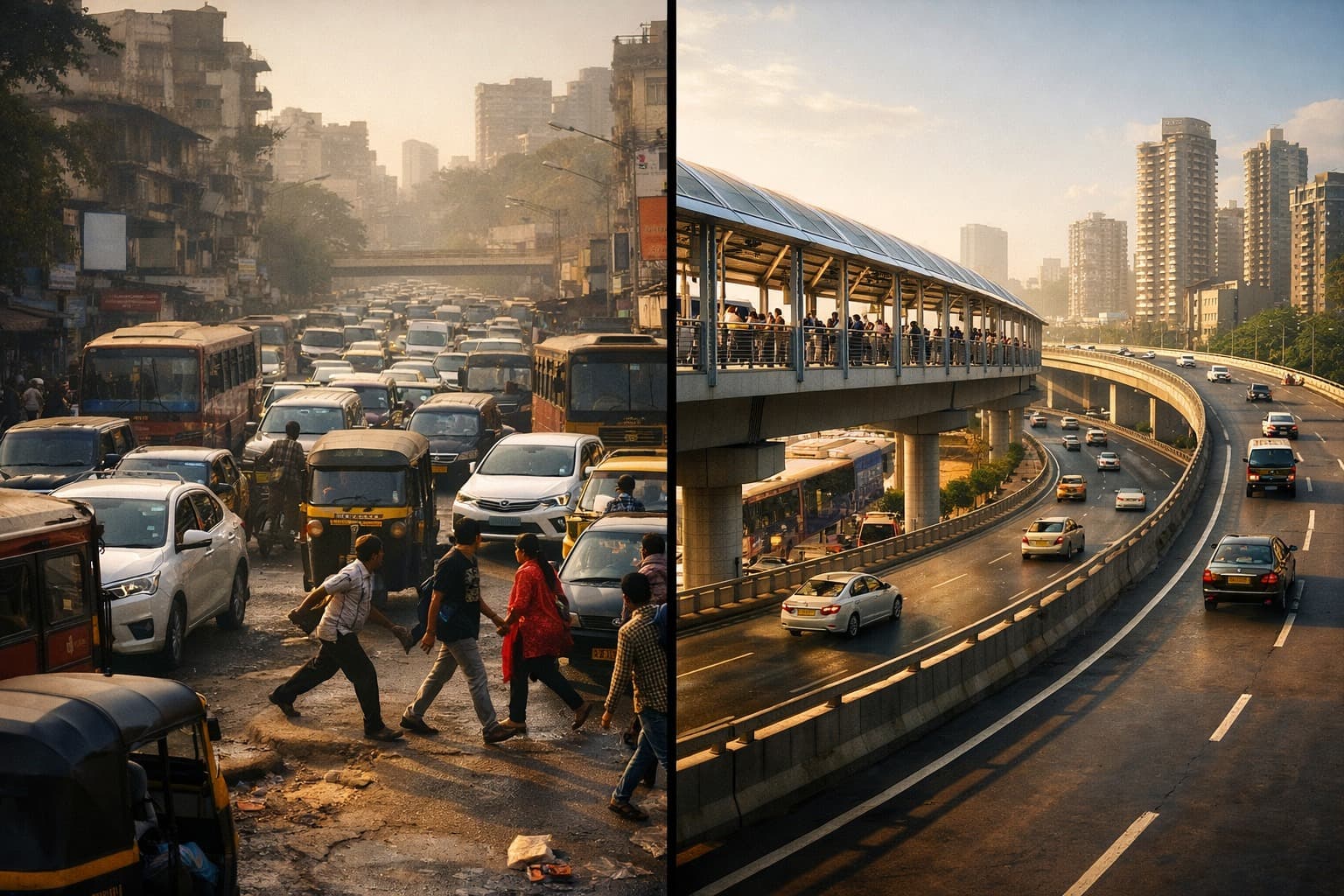
Success will depend on coordination between civic authorities, traffic police, and contractors. Timely completion, proper signage, and post-completion traffic calibration are critical. Infrastructure must be supported by operational planning to deliver real benefits.
Are These Projects Enough to Solve Mumbai’s Traffic
While important, these projects alone will not eliminate congestion. Mumbai’s traffic issues require a combination of road upgrades, public transport expansion, last-mile planning, and behavioural change. These projects are steps forward, not complete solutions.
Public Expectations Versus Ground Reality
Commuters often expect instant relief once a project opens. In reality, traffic patterns take time to stabilise. Initial congestion shifts are common before long-term benefits emerge. Patience and adaptive planning are necessary.
Broader Infrastructure Direction for Mumbai
These revised deadlines indicate continued focus on improving urban mobility through targeted interventions. Instead of large-scale road expansion, the city is working on improving key choke points. This approach aligns better with Mumbai’s space constraints.
What Residents Should Watch Going Forward
Residents should track construction progress, traffic advisories, and trial runs after completion. Feedback during early operation phases helps authorities fine-tune traffic flow.
Final Perspective
The Bandra Skywalk, Dharavi Flyover, and Worli Connector represent practical attempts to ease some of Mumbai’s most persistent congestion points. While deadlines alone do not guarantee success, renewed timelines reflect intent to move projects toward completion. Real benefits will depend on execution quality and integration with existing traffic systems.
Summary
Mumbai’s infrastructure push in 2025 includes revised deadlines for the Bandra East Skywalk, Bandra–Dharavi Flyover, and Worli Connector. These projects aim to reduce congestion, improve east–west connectivity, and strengthen access to key commercial zones. While construction may cause short-term disruption, successful completion can improve commute reliability and traffic flow. The true impact will depend on timely execution, effective traffic management, and integration with broader mobility planning.
Video will be embedded from: https://www.youtube.com/watch?v=3SgeVOWZE4c