
Mumbai Coastal Road Phase 2: Transforming Connectivity in Western Suburbs
Summary
Mumbai Coastal Road Phase 2, approved with MCZMA clearance, will extend connectivity from Versova to Bhayander. It aims to reduce traffic, integrate with Metro Line 9, and boost real estate in western suburbs.

Introduction
The approval of Mumbai Coastal Road Phase 2 marks an important moment in the city’s infrastructure journey. With clearance from MCZMA approval Mumbai, the next stretch of development is slowly moving toward execution. This new corridor will extend from Versova to Bhayander, covering nearly 22.93 kilometres. For daily commuters and property buyers in western suburbs, this project is not just another road. It is expected to reshape travel, reduce congestion, and improve the overall urban experience in a practical way.
Project Overview and Government Clearances
The BMC coastal road project has already transformed parts of South Mumbai in its first phase. Now, Phase 2 is designed to extend these benefits to the northern belt. After receiving environmental clearance from the state authority, the project will seek final permissions from the Ministry of Environment, Forest and Climate Change and the Bombay High Court. These layered approvals reflect the scale and sensitivity of Mumbai coastal infrastructure, especially when marine ecology and urban balance are involved.
Versova to Bhayander Corridor Details
The Versova to Bhayander coastal road will include underground tunnels, a cable-stayed bridge, and multiple vehicular interchanges. This stretch aims to create smoother north-south travel across western Mumbai. The Versova Bhayander connectivity project is planned to directly link the growing suburbs with major commercial hubs. By offering alternative routes, it will reduce dependency on already stressed roads like the Western Express Highway.
How Traffic Patterns May Change
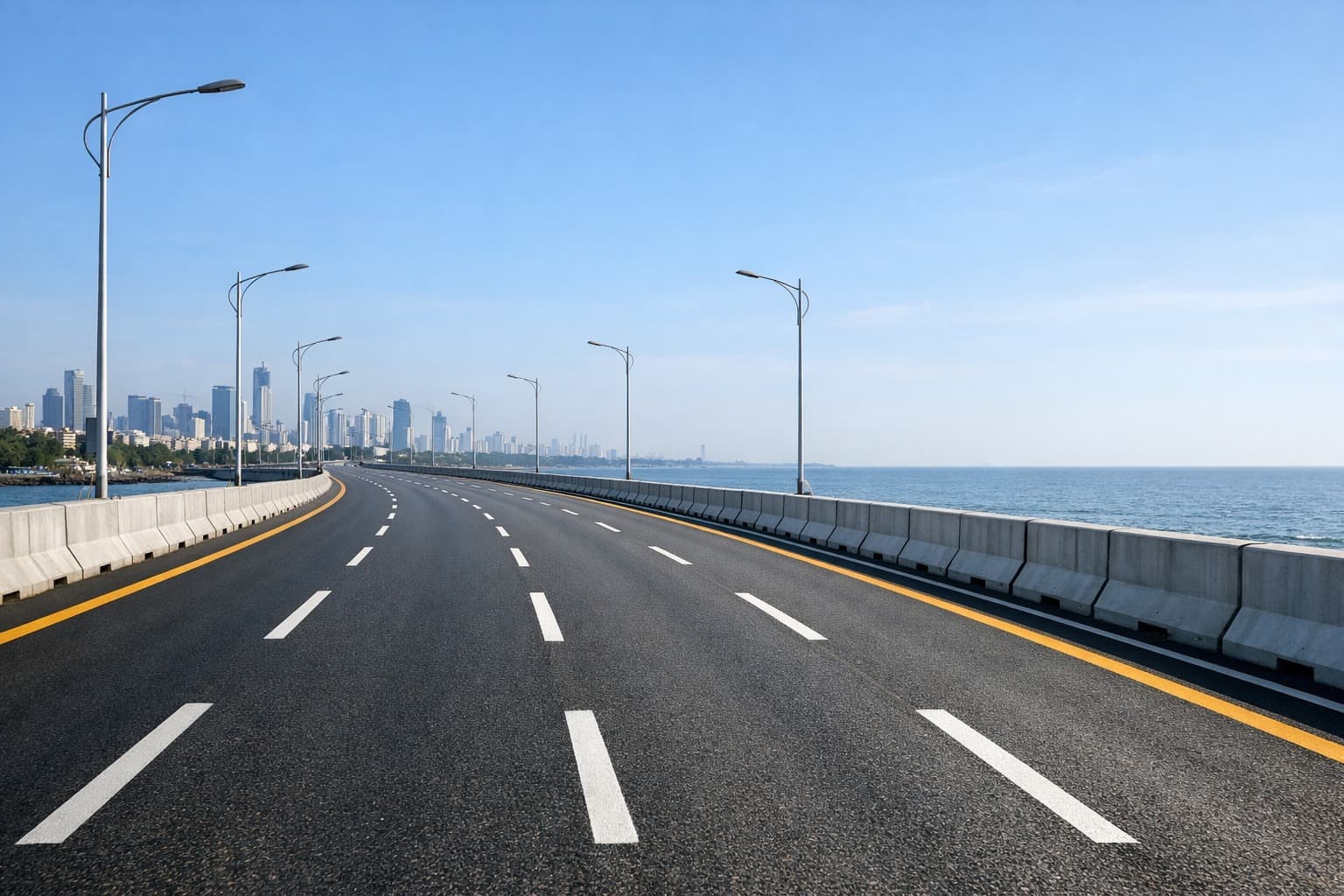
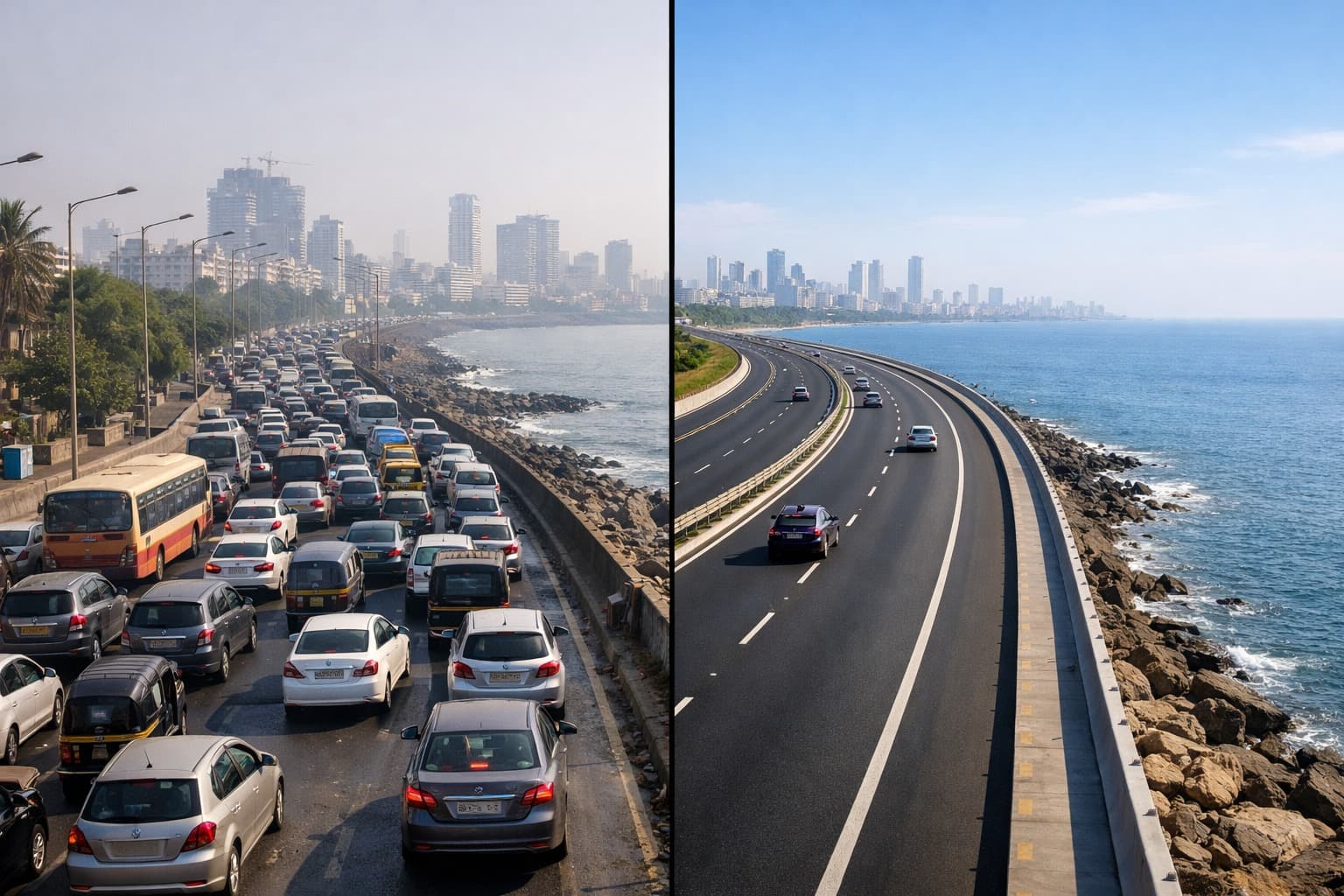
One of the biggest questions people ask is about traffic. How Mumbai Coastal Road Phase 2 will reduce traffic congestion is not just a headline; it is a real expectation. By offering a parallel coastal corridor, vehicles moving between South Mumbai and Mira–Bhayander can bypass interior bottlenecks. Travel time is likely to reduce significantly, especially during peak hours. Over time, commuting patterns could shift, easing pressure on arterial roads and creating a more balanced traffic distribution.
Integration with Other Infrastructure
This extension will not function alone. It is being planned alongside other major projects. Integration of Metro Line 9 and coastal road project will play a crucial role in strengthening connectivity. With Metro Line 9 connectivity Mumbai, residents in Dahisar and Bhayander will have smoother transit options. Additionally, linkages to the Goregaon Mulund Link Road and the Dahisar–Bhayander elevated road will create an interconnected transport network. Such coordination shows a long-term approach toward western suburbs infrastructure development Mumbai has been waiting for.
Real Estate Implications for Western Suburbs
Infrastructure often influences property values, and this case may be no different. The Impact of coastal road on Mumbai real estate is expected to be visible in areas like Kandivali, Borivali, and Mira Road. Improved accessibility generally increases demand for residential and commercial projects. In particular, Real estate growth in Mira Bhayandar after coastal road completion could attract new buyers who were earlier hesitant due to travel time concerns. Developers are already watching the corridor closely, anticipating future appreciation.
Environmental and Legal Considerations
Large coastal projects naturally invite environmental scrutiny. The process of obtaining Environmental approvals for Mumbai coastal road extension ensures that marine ecosystems are studied carefully. Authorities have emphasized compliance with coastal regulation norms. While approvals are progressing, oversight from the High Court adds another layer of review. This careful approach may delay timelines slightly, but it builds confidence that the project will balance development with ecological responsibility.
Resident Concerns and Structural Audits
During the initial piling work in Kandivali’s Charkop area, some residents reported strong vibrations. In response, the civic body decided on a VJTI structural audit for coastal road vibrations. Experts from Veermata Jijabai Technical Institute will review previous structural studies and, if needed, conduct fresh assessments. Sensors will monitor vibration levels before work resumes. Similar concerns were raised during Phase 1 near Marine Drive, so authorities appear more cautious this time. Such measures may reassure homeowners who worry about building safety.
Long-Term Urban Mobility Benefits
Beyond immediate traffic relief, Phase 2 represents a broader shift toward sustainable mobility. By creating multiple entry and exit points, it supports smoother vehicle flow. The corridor will also improve access to business districts and residential clusters. Over years, as public transport integrates further, the combined system could reduce travel stress for lakhs of commuters. Slowly, the city may feel less compressed, even if population continues to grow.
Challenges Ahead and Practical Expectations
While optimism surrounds the project, execution challenges remain. Legal approvals, environmental safeguards, and public cooperation must align. Construction activities may temporarily inconvenience nearby residents. Yet, large infrastructure always carries short-term discomfort before long-term gains. If managed carefully, the second phase could become one of the most influential connectivity upgrades for western Mumbai in recent decades.
Summary
Mumbai’s Coastal Road Phase 2 extends connectivity from Versova to Bhayander and has received key state-level environmental clearance. The project promises reduced travel time, integration with Metro Line 9, and relief for congested highways. Real estate markets in Mira–Bhayander and nearby suburbs may see renewed demand. Authorities are addressing environmental safeguards and vibration concerns through audits and monitoring. Once completed, the corridor could significantly transform commuting patterns and strengthen Mumbai’s long-term infrastructure framework.
Video will be embedded from: https://www.youtube.com/watch?v=XjNQfY_XEj8