
Mukundra Tiger Reserve Tunnel Explained: The Most Complex Structure on India's Biggest Expressway
Summary
India's 4.89km, 8-lane Mukundra Tunnel, under a tiger reserve, is the Delhi Mumbai Expressway's most complex feat. Opening July 2026 despite delays, it completes a vital link, setting an eco-sensitive engineering benchmark.

Introduction
Building a road through a tiger reserve is not something engineers take lightly. And yet somewhere beneath the Mukundra Hills in Rajasthan's Kota district, exactly that has been done. The Mukundra tunnel, now on the verge of opening after years of delay and significant engineering adaptation, represents the single most complex construction challenge on the entire 1,386-kilometre Delhi Mumbai Expressway. Understanding it helps explain both why India's most ambitious road project is still not fully open and what happens to the corridor once it finally is.
The Structure Itself
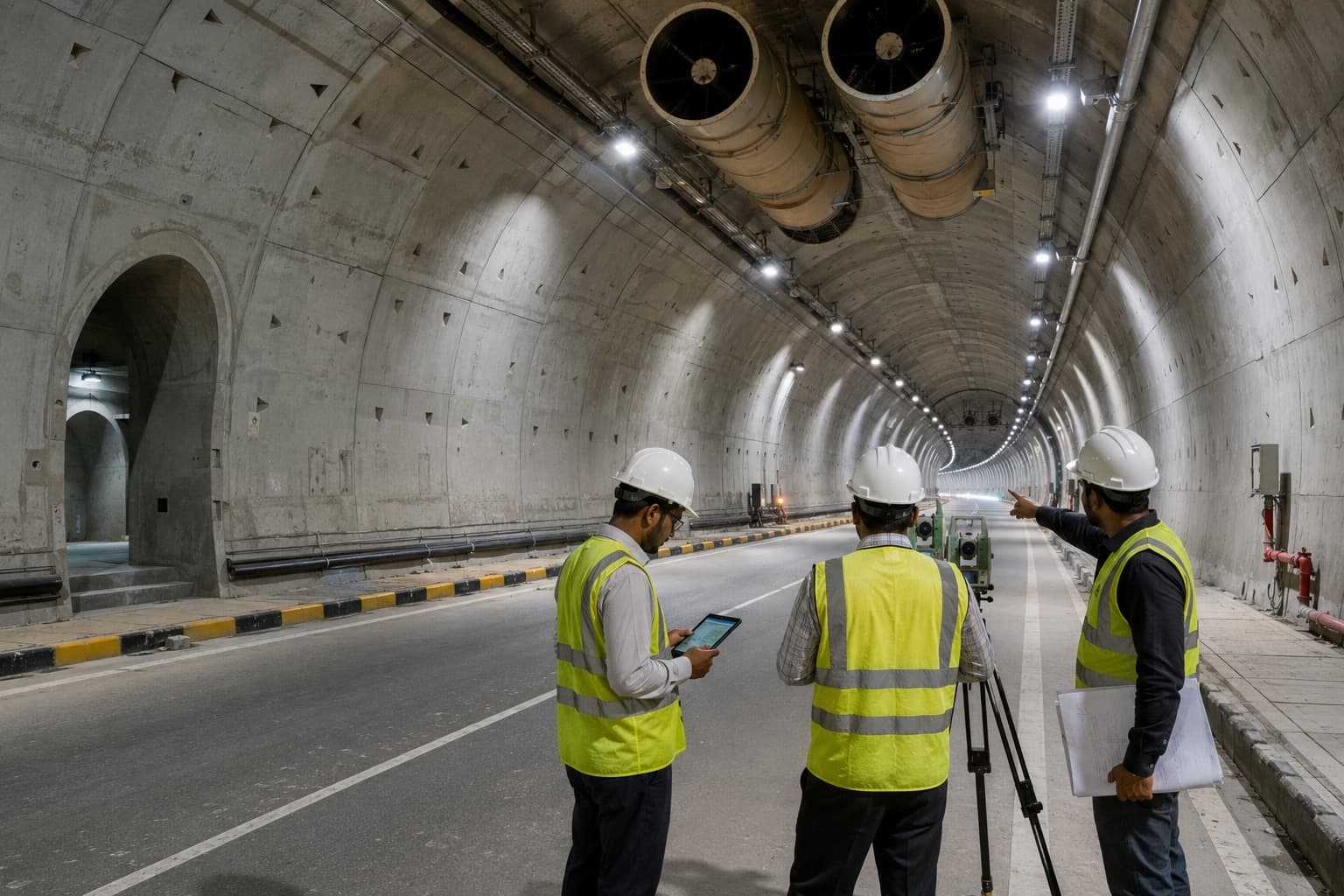
The tunnel runs 4.89 kilometres beneath the Mukundra Hills Tiger Reserve, passing between the villages of Ummedpura and Nayagaon in Kota district. It carries eight lanes of traffic, making it one of the widest road tunnels in India at 22 metres across and 11 metres tall. The full package it belongs to covers an 8.3-kilometre stretch of the expressway, making the tunnel the overwhelming majority of that section.
Construction was handled by a joint venture of Dilip Buildcon Limited and Altis-Holding Corporation. The original completion target was January 2024 on a 30-month schedule. What actually happened was considerably more difficult. Severe water ingress flooded the excavation site during the 2022, 2023, and 2024 monsoon seasons, forcing engineers to modify the structural design multiple times. The project cost climbed from the original Rs 1,000 crore to Rs 1,250 crore.
NHAI officials confirmed in late June 2026 that the tunnel is operationally ready and completing final safety certification work before opening. The expected opening window is by end of July 2026.
Why Wildlife Protection Drove the Engineering Decisions
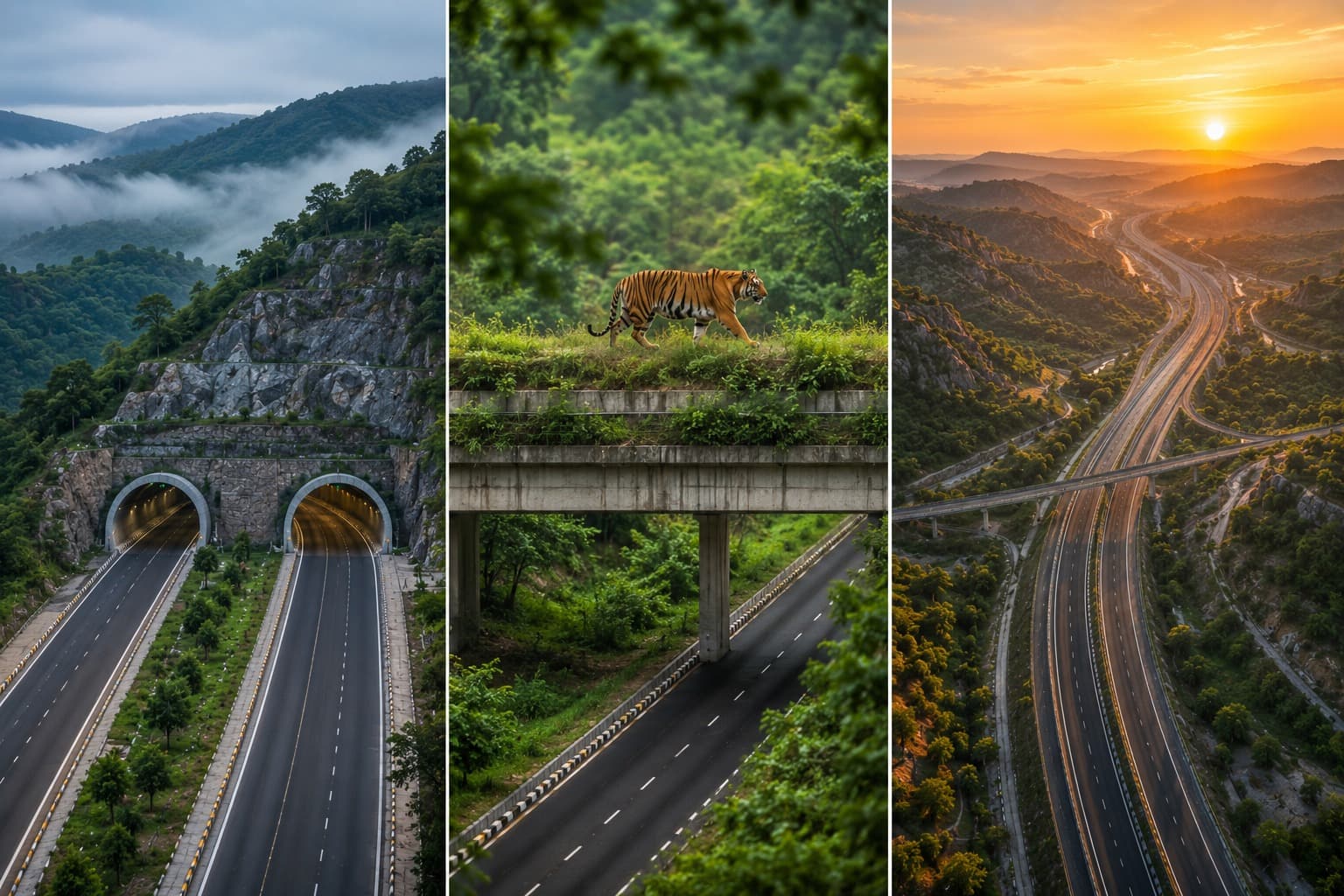
The Mukundra Hills Tiger Reserve is an ecologically sensitive zone and the tunnel was the only acceptable way through it. An open road cutting across the reserve would have fragmented tiger habitat, disrupted movement corridors, and attracted the kind of roadkill incidents that have damaged wildlife populations near surface roads across the country.
By going underground, the expressway preserves the surface ecosystem entirely. The forest above the tunnel continues functioning as connected habitat. Wildlife underpasses and crossing provisions have been incorporated at surface level on either side of the tunnel approach areas to further reduce human-animal conflict. This approach sets a template that India's highway planners will likely follow wherever future alignments cross protected areas.
What the Delay Has Cost Commuters
Before this tunnel opens, anyone driving from Kota toward Delhi on the Delhi Mumbai Expressway hits a dead end. The gap forces traffic onto a 60-kilometre two-lane diversion before rejoining the expressway near Sawai Madhopur. This detour is the primary reason the Kota-Delhi section remains incomplete despite the surrounding stretches being largely ready.
Once the tunnel opens and this missing link is closed, the Kota-Delhi section becomes continuous. The NHAI Delhi Mumbai Expressway completion picture then shifts focus to the remaining stretches. By October 2026, a 148-kilometre section connecting the Madhya Pradesh-Gujarat border to Vadodara is also scheduled to open, extending total operational length to 912 kilometres with uninterrupted connectivity from Delhi to Vadodara.
The Real Estate Dimension
The Delhi Mumbai Expressway real estate impact along corridor is already visible in towns along its alignment. Dausa, Sawai Madhopur, Kota, and Ratlam have all seen increased investor enquiries and land value movement as the expressway edge approaches operationality. Logistics, warehousing, and petrol station clusters are the earliest commercial entrants. Residential real estate follows as these corridors mature into commuter and employment destinations.
Summary
Mukundra Hills Tiger Reserve tunnel Delhi Mumbai Expressway explained comes down to an 8-lane, 4.89-kilometre underground structure that chose ecology over convenience and paid the price in construction time and cost. When will Delhi Mumbai Expressway be fully operational shifts closer to reality with the July 2026 tunnel opening eliminating the last major missing link on the northern section. India first 8 lane tunnel under tiger reserve NHAI sets a benchmark for how future highway alignments should navigate protected areas. The Kota Rajasthan tunnel opening 2026 removes the single biggest bottleneck on one of India's most strategically important road infrastructure investments.
Video will be embedded from: https://www.youtube.com/watch?v=kzo8qECpTAQ