
Elphinstone Bridge Closure: Mumbai Traffic Woes and the Promise of a New Flyover
Summary
The Elphinstone Bridge closure in Mumbai caused traffic chaos, but it paves the way for a new flyover. This project promises improved connectivity, reduced congestion, and long-term infrastructure benefits for commuters.

Introduction
Mumbai is a city where infrastructure and daily life are deeply connected. Any disruption in a major transport link immediately affects lakhs of commuters. The Elphinstone Bridge closure has once again highlighted how sensitive Mumbai’s traffic network is to infrastructure changes. This bridge, located between key railway stations and business districts, played a crucial role in daily connectivity. Its closure has caused inconvenience, longer travel times, and traffic bottlenecks, but it has also opened the door for long-term infrastructure improvement through a proposed flyover project.
Importance of Elphinstone Bridge in Mumbai
The Elphinstone Bridge connected Parel, Prabhadevi, and surrounding areas, acting as an important east-west connector. It was used by office-goers, commercial vehicles, and public transport on a daily basis. Over the years, increasing traffic pressure and structural concerns made redevelopment necessary. The Elphinstone Bridge closure Mumbai impact is significant because the bridge served as a lifeline for central Mumbai commuters.
Reasons Behind the Bridge Closure
The bridge was shut down primarily due to safety concerns and structural ageing. Authorities identified the need for demolition and reconstruction to ensure long-term safety. While such decisions are essential from an infrastructure perspective, they often come with short-term disruption. The Elphinstone Bridge redevelopment plan aims to replace the old structure with a modern flyover capable of handling present and future traffic volumes.
Immediate Impact on Mumbai Traffic
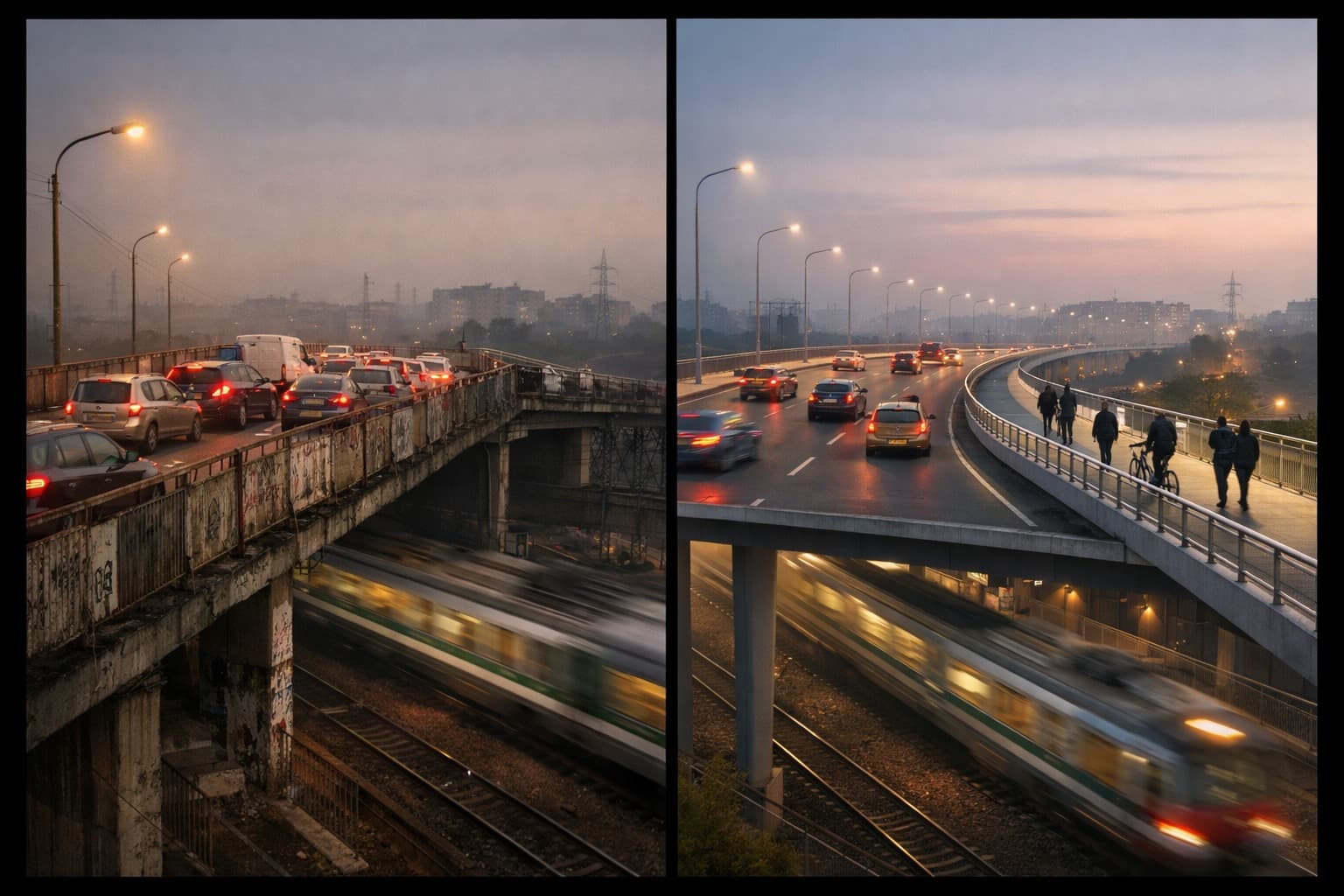
The most visible outcome of the closure has been severe Mumbai traffic congestion. Alternate routes such as Lower Parel, Dadar, and Currey Road have experienced increased traffic load. Peak-hour travel time has increased significantly, affecting office schedules and public transport efficiency. For daily commuters, the Mumbai traffic problems due to bridge closure have become a source of daily frustration and fatigue.
Effect on Public Transport and Pedestrians
Bus routes were diverted, causing delays and overcrowding. Pedestrians, who earlier used the bridge as a safe crossing point, now face longer and less convenient routes. Auto-rickshaws and taxis have also adjusted fares due to longer travel distances. These changes underline how infrastructure gaps affect not just private vehicles but the entire urban mobility ecosystem.
Economic and Business Impact
Areas around Lower Parel and Prabhadevi are major commercial hubs. Traffic delays affect employee punctuality, logistics movement, and service delivery. Small businesses dependent on walk-in customers have also reported reduced footfall. The Elphinstone Bridge closure has therefore had economic consequences beyond just travel inconvenience, impacting productivity and business efficiency.
The Proposed Future Flyover Project
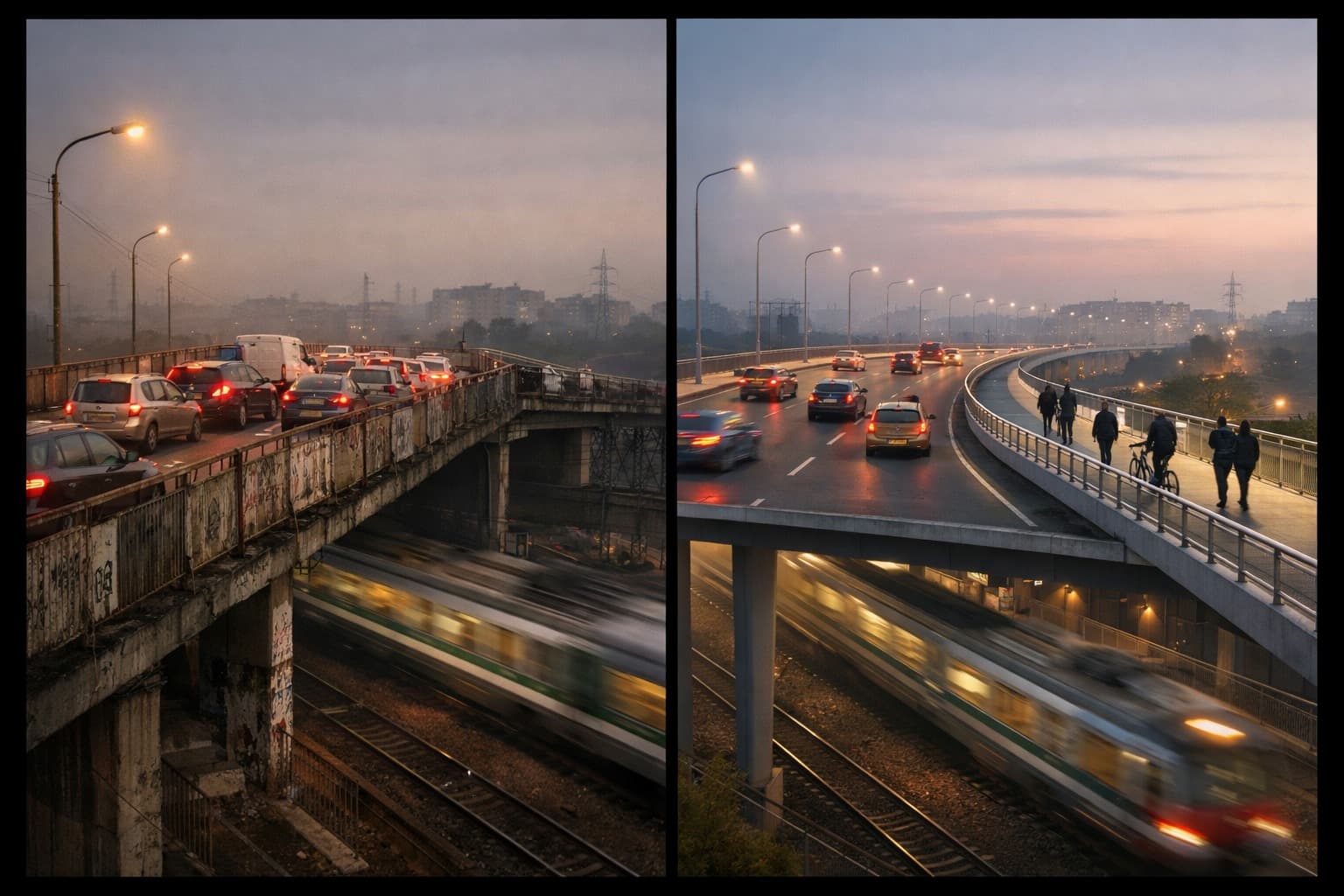
The silver lining lies in the planned Elphinstone flyover project, which is expected to significantly improve connectivity once completed. The new flyover is designed to handle higher traffic volumes and provide smoother east-west movement. Modern engineering standards, better road width, and improved safety features are expected to reduce congestion in the long run. The future flyover project at Elphinstone Mumbai is seen as a necessary upgrade for the city’s growing transport needs.
Long-Term Infrastructure Benefits
Once operational, the new flyover is expected to streamline traffic flow and reduce dependency on smaller internal roads. It will support better connectivity between residential areas and business districts. From an urban planning perspective, this project aligns with broader Mumbai infrastructure upgrade flyover project goals aimed at reducing choke points and improving travel efficiency across the city.
Challenges During the Transition Period
While the long-term benefits are clear, the transition phase remains challenging. Poor coordination between agencies, lack of clear signage, and insufficient public communication have added to commuter stress. Managing traffic during construction requires proactive planning, temporary road improvements, and better traffic policing. Addressing these issues is critical to reducing the traffic issues in Mumbai during major infrastructure works.
Impact on Real Estate and Urban Planning
Infrastructure projects often influence property values and development patterns. In the long term, improved connectivity through the new flyover may enhance real estate attractiveness in nearby areas. However, during construction, accessibility issues may temporarily affect demand. The Elphinstone Bridge redevelopment plan reflects how infrastructure renewal plays a role in shaping Mumbai’s urban and real estate landscape.
Lessons for Future Infrastructure Projects
The Elphinstone experience highlights the need for better transition planning. Infrastructure upgrades should be accompanied by clear timelines, commuter advisories, and alternative transport support. Cities like Mumbai cannot afford prolonged disruption without mitigation strategies. Learning from this closure can help authorities manage future projects more effectively and reduce public inconvenience.
What Commuters Can Expect Ahead
Commuters should prepare for continued traffic challenges until the project nears completion. Using alternative transport modes, flexible work hours, and route planning can help reduce daily stress. Despite current difficulties, the long-term outcome is expected to justify the inconvenience. The Mumbai flyover project at Elphinstone represents progress toward a more efficient and safer transport network.
Summary
The Elphinstone Bridge closure has caused significant traffic congestion and daily inconvenience for Mumbai commuters. While the short-term impact includes longer travel times and economic disruption, the closure is part of a larger redevelopment plan. The upcoming flyover aims to improve connectivity, safety, and traffic flow in central Mumbai. Despite present challenges, the project reflects Mumbai’s ongoing efforts to modernize infrastructure and create long-term solutions for its growing urban transport demands.
Video will be embedded from: https://www.youtube.com/watch?v=DXmkFw3AtxQ