
Easing Congestion: The Impact of Shifting the Dahisar Toll Plaza
Summary
Shifting the Dahisar Toll Plaza aims to alleviate congestion for commuters entering Mumbai from the north, especially those from Mira-Bhayandar. Benefits include improved traffic flow, reduced fuel costs, and better public transport.

Expected Improvement in Traffic Flow
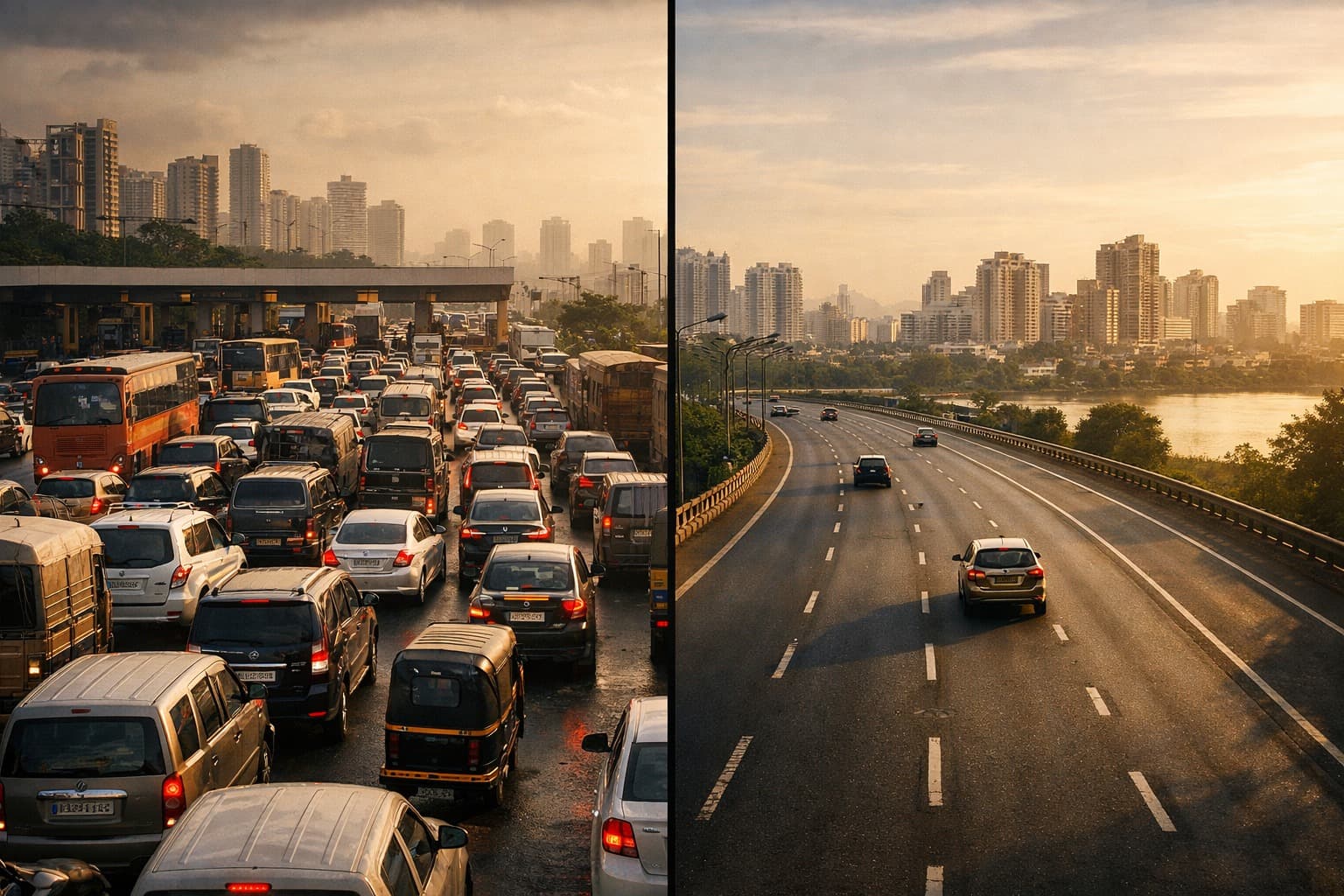
Once the toll plaza is shifted, vehicles entering Mumbai from the north are likely to experience fewer stop-and-go situations within Dahisar. Continuous movement reduces congestion buildup and improves average travel speed. For Mira–Bhayandar commuters, this could mean shorter travel times and more predictable commute schedules.
Reduced Stress and Fuel Costs
Traffic congestion directly impacts fuel efficiency. Long idling times at toll plazas increase fuel consumption and vehicle wear. A smoother flow of traffic can reduce unnecessary fuel usage and lower commuting expenses. Over time, even small daily savings add up for frequent travellers.
Impact on Public Transport and Emergency Movement
Public buses and emergency vehicles are often delayed at toll congestion points. A shifted toll plaza can improve response times for ambulances and fire services moving toward Mumbai. Better traffic flow also enhances the reliability of bus services, making public transport a more attractive option for commuters.
Urban Planning Perspective
From an urban planning standpoint, toll plazas located within dense residential zones create inefficiencies. Shifting such infrastructure away from populated stretches aligns with better traffic management practices. This move reflects a growing recognition that older traffic systems need adjustment to match current urban realities.
Will This Solve All Traffic Issues?
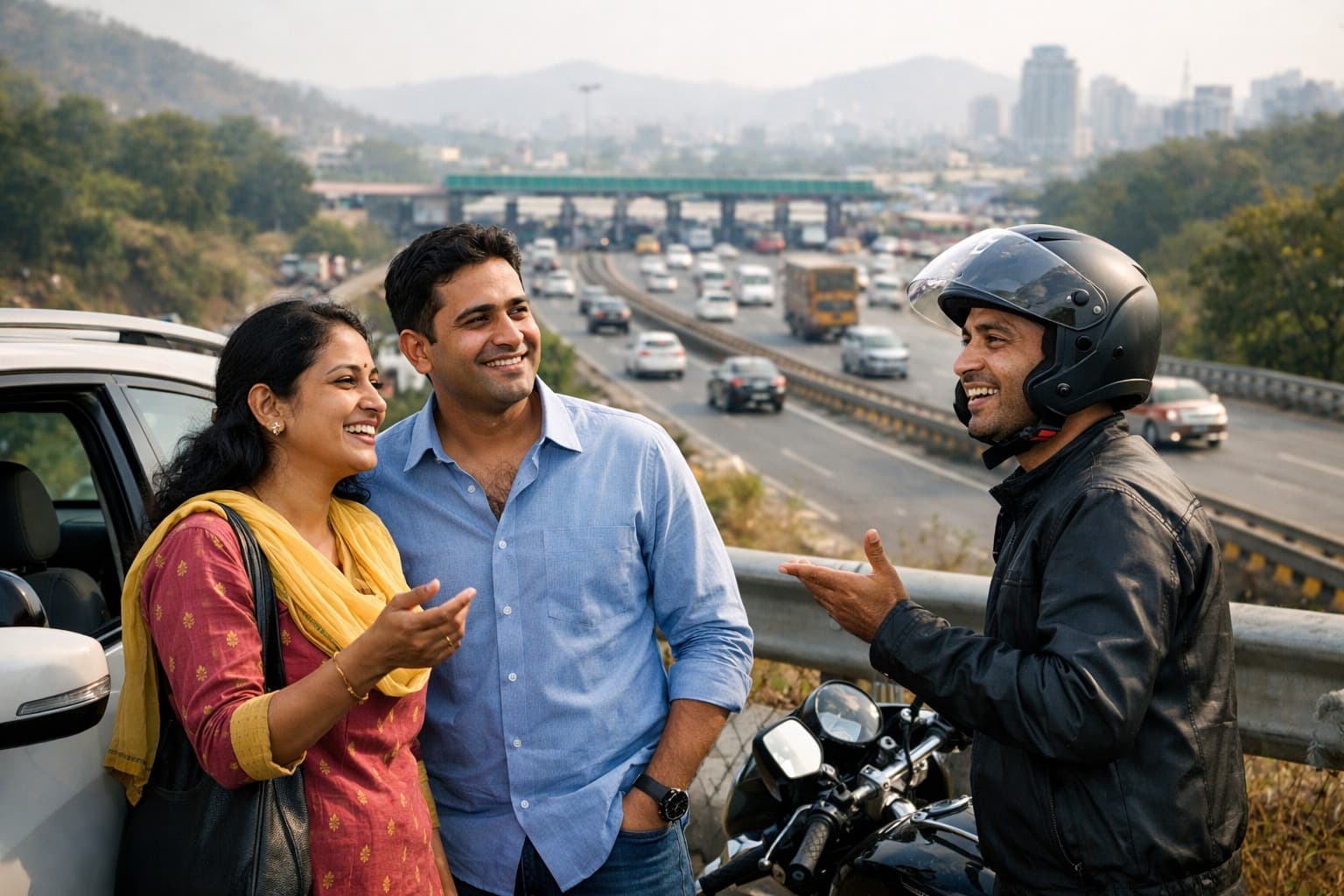
While the toll plaza shift is a positive step, it is not a complete solution. Traffic congestion in the Mumbai Metropolitan Region is influenced by multiple factors, including road capacity, vehicle growth, and public transport availability. The toll shift addresses one major bottleneck, but complementary measures such as better traffic signalling and last-mile connectivity remain essential.
Impact on Local Businesses and Residents
Reduced congestion may improve accessibility for local businesses in Dahisar and nearby areas. Easier movement encourages smoother logistics and customer access. For residents, reduced noise and traffic buildup near the existing toll location can improve neighbourhood livability.
What Commuters Should Expect During Transition
During the transition phase, temporary disruptions are possible as traffic patterns adjust. Commuters should stay informed about route changes and signage updates. Over time, once the new system stabilises, the long-term benefits are expected to outweigh short-term inconvenience.
Broader Implications for Suburban Connectivity
The toll plaza shift also highlights the growing importance of suburban connectivity. As residential growth expands beyond Mumbai’s core, infrastructure planning must adapt. Improving entry and exit points becomes critical for sustaining daily movement across the region.
Real Estate and Housing Impact
Improved connectivity often influences housing demand. Reduced commute stress can make areas like Mira–Bhayandar more attractive to working professionals. Over time, better travel experience supports residential stability and long-term location value, although it should not be the sole factor driving property decisions.
Public Response and Expectations
Commuters have largely welcomed the decision, viewing it as overdue relief. Expectations are high, but realistic outcomes depend on execution quality. Transparent communication and timely implementation will play a key role in public satisfaction.
A Step Toward Smarter Mobility
The toll plaza shift represents a shift in thinking rather than just infrastructure relocation. It signals a move toward prioritising commuter experience and efficient traffic flow. Such decisions contribute to incremental but meaningful improvements in daily urban mobility.
Final Perspective
For Mira–Bhayandar commuters, the relocation of the Dahisar toll plaza offers genuine relief potential. While it will not eliminate traffic challenges entirely, it addresses a long-standing bottleneck that affected daily life. Combined with broader transport planning, this move can significantly improve commuting comfort and efficiency.
Summary
The decision to shift the Dahisar toll plaza northward is expected to ease congestion for Mira–Bhayandar commuters by reducing a major traffic bottleneck. Improved traffic flow, lower fuel wastage, and smoother public transport movement are key benefits. While not a complete solution to regional traffic issues, the shift represents a practical step toward better urban mobility. Its success will depend on effective implementation and integration with broader traffic management measures.
Video will be embedded from: https://www.youtube.com/watch?v=LgQOnfPW1zY