
Bibvewadi–Balajinagar Metro: Will ₹6.83 Billion Funding Solve Pune’s Traffic?
Summary
₹6.83 Billion funding for Bibvewadi-Balajinagar Metro aims to ease Pune's traffic woes. This expansion can reduce reliance on private vehicles, but success hinges on last-mile connectivity and integrated planning for long-term traffic relief.

Introduction
Traffic congestion has become one of Pune’s most persistent urban challenges. Areas like Bibvewadi and Balajinagar experience daily gridlocks, especially during peak office hours. With the Maharashtra government approving ₹6.83 billion in funding for the Bibvewadi–Balajinagar Metro stations, expectations are high. Many residents are asking a simple question: will this metro expansion finally ease Pune’s traffic burden, or is it just another infrastructure addition with limited impact?
Why Bibvewadi and Balajinagar Matter
Bibvewadi and Balajinagar are not peripheral localities. They are densely populated residential zones with strong links to educational institutions, employment hubs, and arterial roads. Daily movement from these areas contributes significantly to traffic load on surrounding corridors. Any transport solution affecting these zones has citywide implications.
What the ₹6.83 Billion Funding Is For
The approved funding is aimed at developing metro stations and associated infrastructure along the Bibvewadi–Balajinagar stretch. This includes station construction, integration with existing metro lines, and supporting facilities for commuter access. The focus is on improving connectivity rather than merely extending track length.
How Metro Connectivity Can Change Travel Patterns
Metro systems influence how people choose to commute. When reliable, fast, and well-connected, metros encourage a shift away from private vehicles. For Bibvewadi and Balajinagar residents, direct metro access reduces dependence on two-wheelers, cars, and overcrowded buses. This behavioural shift is key to long-term traffic relief.
Current Traffic Reality in South Pune
South Pune faces congestion due to narrow roads, mixed traffic, and high residential density. Road widening options are limited due to existing development. In such areas, public transport upgrades offer more sustainable solutions than road expansion. Metro connectivity addresses capacity constraints without disrupting existing neighbourhoods.
Will Metro Alone Solve Pune’s Traffic Issues
While the metro is a powerful tool, it is not a standalone solution. Traffic congestion is influenced by last-mile connectivity, feeder services, parking discipline, and road management. The Bibvewadi–Balajinagar Metro can reduce pressure, but its effectiveness depends on integration with buses, pedestrian access, and traffic planning.
Importance of Last-Mile Connectivity
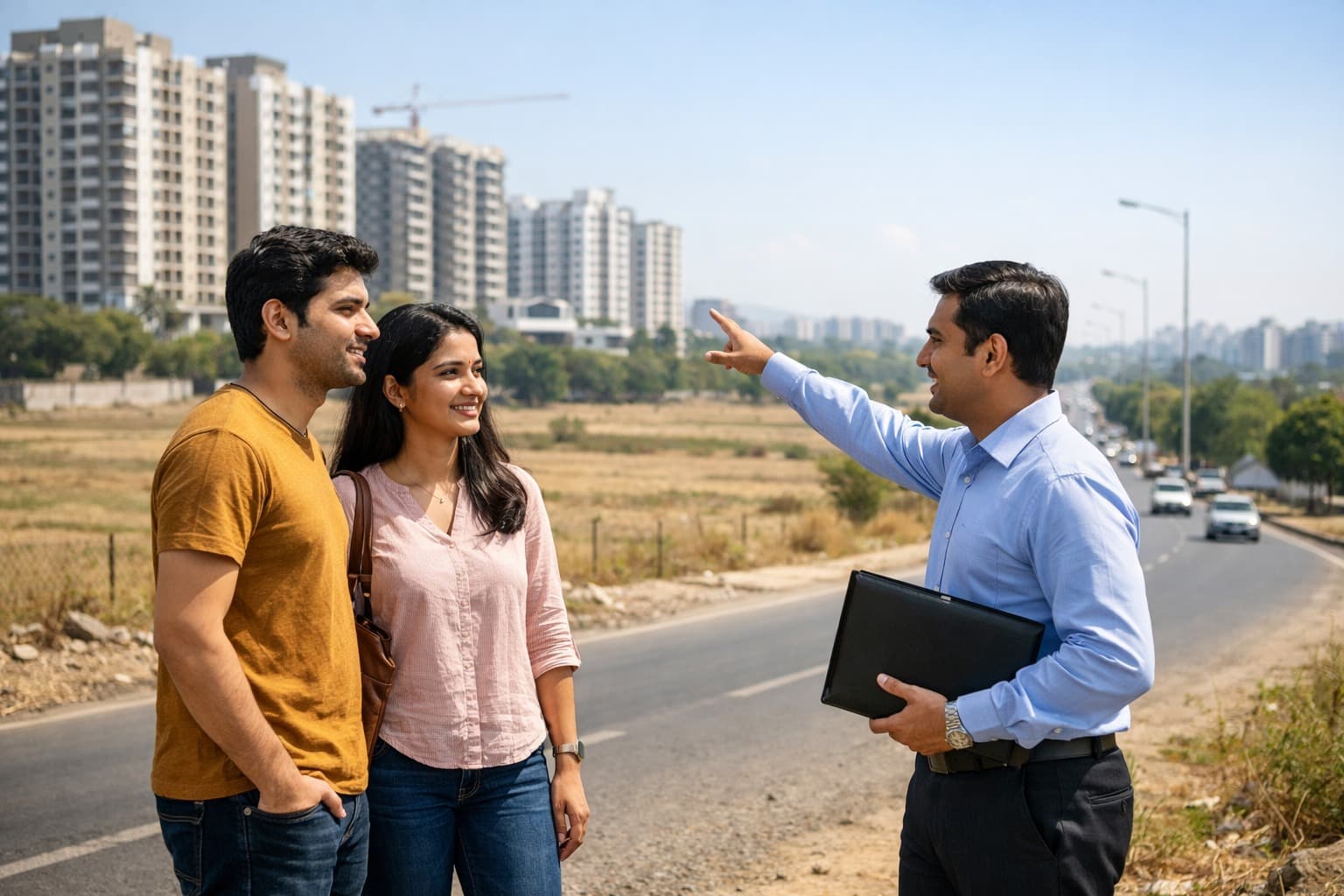
For commuters to adopt the metro, reaching stations easily is crucial. Safe footpaths, auto-rickshaw availability, cycling tracks, and feeder buses determine daily usage. Without these, potential metro users may continue using private vehicles despite nearby stations.
Impact on Daily Commute Time
Metro travel offers predictability. Unlike road traffic, metro travel times are consistent. Even a fifteen to twenty-minute daily saving can significantly improve work-life balance. For regular commuters, this reliability often becomes a stronger motivator than cost alone.
Environmental and Quality-of-Life Benefits
Reduced road traffic lowers fuel consumption and emissions. Over time, this improves air quality and reduces noise pollution in residential areas. Public transport upgrades like metro systems contribute to healthier urban living beyond traffic management.
Economic and Productivity Gains
Shorter and more reliable commutes improve workforce productivity. Businesses benefit from better employee punctuality and reduced travel fatigue. Improved mobility also supports local commerce by increasing accessibility to markets and service areas.
Real Estate Implications for the Corridor
Metro connectivity often influences property demand. Areas near operational stations typically see increased residential interest due to improved accessibility. However, price appreciation depends on execution quality, station usability, and overall neighbourhood planning rather than announcements alone.
What Residents Should Expect During Construction
Metro construction brings temporary disruptions. Traffic diversions, noise, and restricted access are common during execution phases. Clear communication and phased construction are essential to minimise inconvenience. Long-term benefits must be weighed against short-term discomfort.
Lessons From Other Metro Corridors
Cities that have successfully reduced traffic through metro expansion focused on integration rather than infrastructure alone. Where feeder systems and urban planning aligned with metro routes, adoption was stronger. Pune can apply these lessons to maximise impact.
Is This the Beginning of a Larger Shift
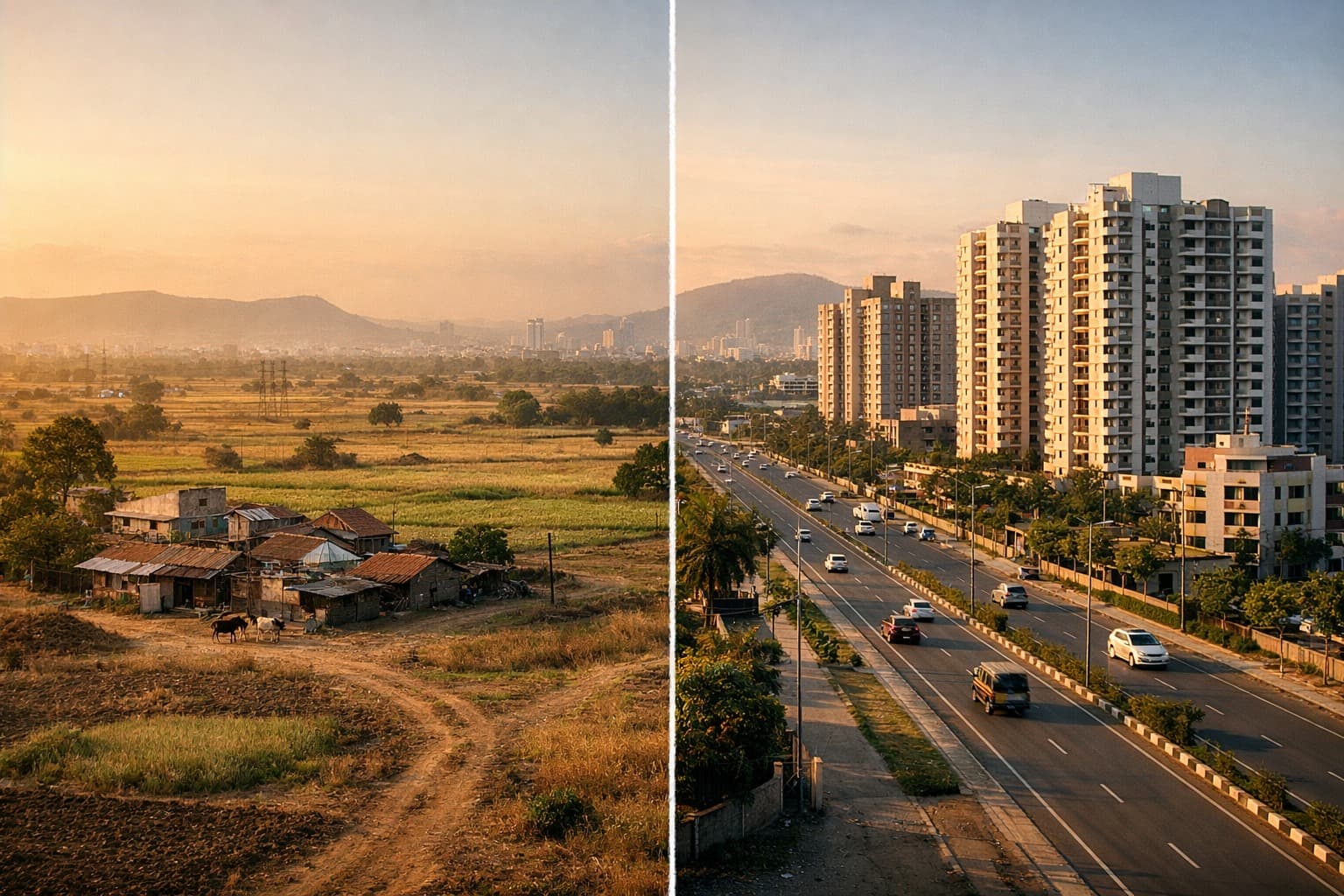
The Bibvewadi–Balajinagar funding approval signals continued commitment to expanding Pune’s metro network. Over time, interconnected corridors can create a viable alternative to private commuting. This project may be one step in a broader mobility transformation.
What Will Decide Success
The success of this metro stretch will depend on execution timelines, station accessibility, service frequency, and affordability. Infrastructure funding creates potential, but operational efficiency determines real-world outcomes.
Final Perspective
The ₹6.83 billion funding for the Bibvewadi–Balajinagar Metro is a meaningful development for Pune’s transport future. While it will not eliminate traffic overnight, it addresses a critical congestion zone with a sustainable solution. If supported by strong last-mile planning and traffic management, this metro expansion could significantly improve daily commuting experience for thousands of residents.
Summary
The approval of ₹6.83 billion for the Bibvewadi–Balajinagar Metro stations marks an important step in Pune’s mobility planning. The corridor serves dense residential areas where road expansion is limited. Metro connectivity can reduce dependence on private vehicles, improve commute reliability, and support long-term traffic relief. However, success depends on last-mile connectivity, integration with other transport modes, and efficient execution. This project has the potential to ease congestion meaningfully if implemented thoughtfully.
Video will be embedded from: https://www.youtube.com/watch?v=Pq5m6Iw0lXw