
Bengaluru's Massive Infrastructure Upgrade: Road-Metro Double-Decker and ₹1 Lakh Crore Transformation Plan
Summary
Bengaluru's ₹1 lakh crore infrastructure plan includes a road-metro double-decker, tunnels, and elevated corridors. This aims to improve mobility, attract investment, and drive economic growth, transforming the city into a global urban model.

Introduction
Bengaluru is entering a decisive phase of transformation that will redefine how the city moves, works, and grows. Often described as India’s technology capital, the city has long struggled with congestion, stretched infrastructure, and rising urban pressure. Addressing this challenge head-on, the Karnataka government has announced a massive Bengaluru infrastructure upgrade valued at over ₹1 lakh crore. This ambitious vision positions the city for long-term growth, global competitiveness, and sustainable urban living through next-generation mobility and planning.
Why Bengaluru Needs a Massive Infrastructure Push
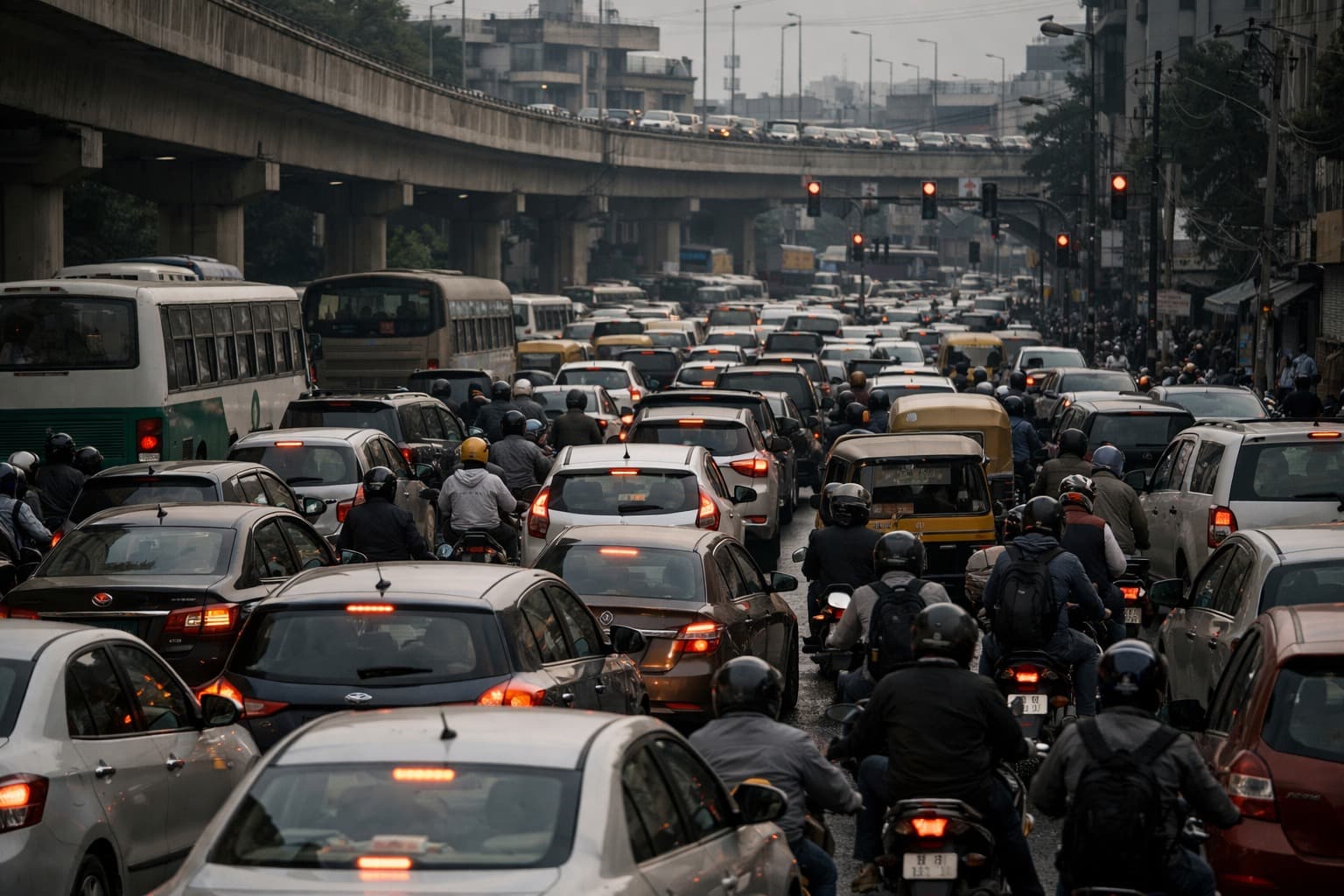
Bengaluru’s growth has been rapid and relentless. As India’s leading IT and innovation hub, it attracts talent, investment, and enterprises from across the world. However, this success has also exposed gaps in mobility, connectivity, and urban capacity. The government’s Bengaluru infrastructure investment plan aims to strengthen the foundations required for future expansion. By modernising roads, transit systems, and business corridors, the city is being prepared for rising population density, increasing economic activity, and evolving work patterns.
India’s First Road–Metro Double‑Decker Explained
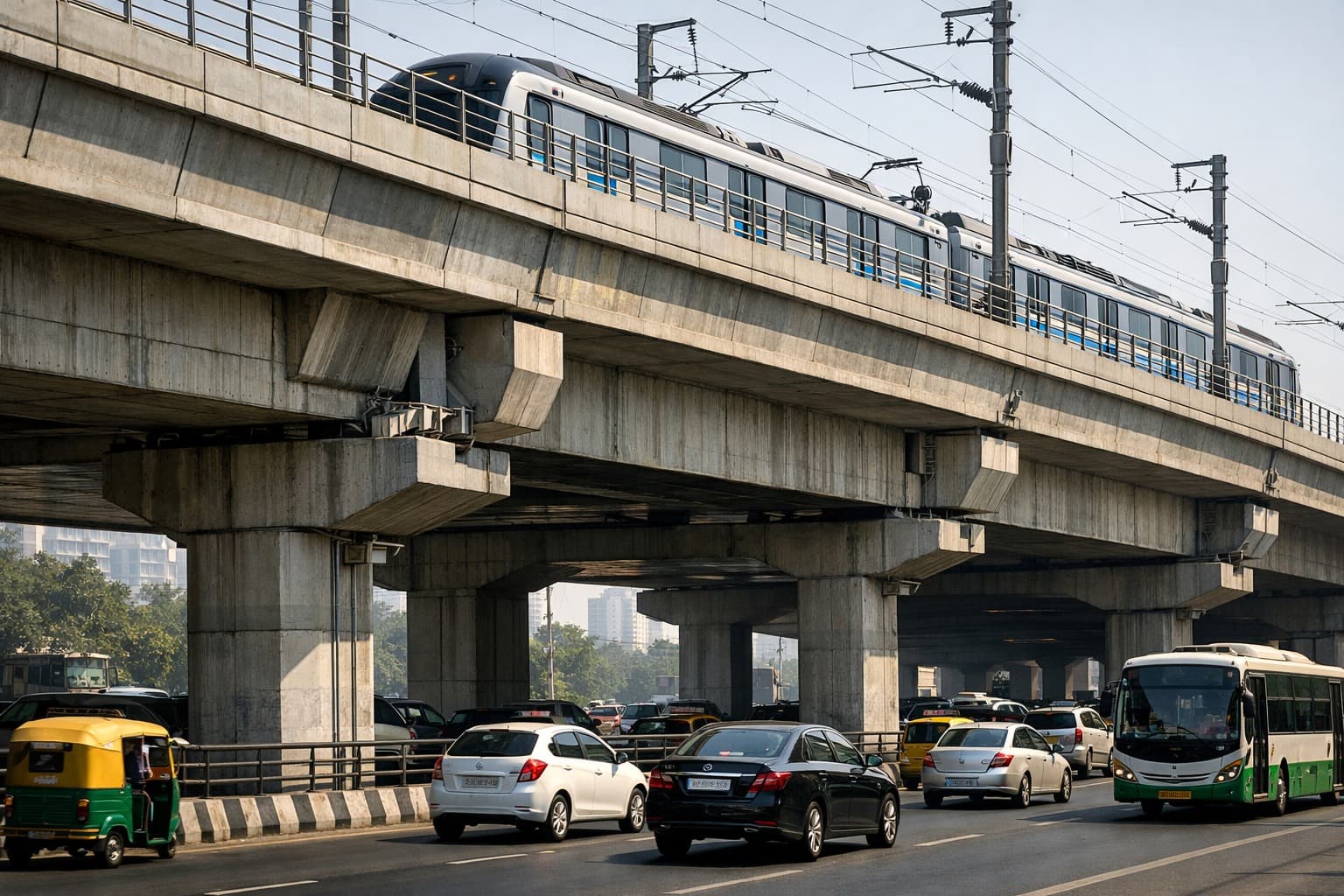
At the centre of this transformation is the India first road metro double decker project. Planned across 41 kilometres, this innovative structure integrates road traffic and metro rail into a single vertical corridor. Designed to optimise limited urban space, the double‑decker system reduces surface congestion while improving commute efficiency. As part of the larger Bengaluru metro expansion, it represents a shift towards smarter infrastructure that balances speed, safety, and land efficiency.
Twin Tunnels and Elevated Corridors Reshaping Mobility
Another landmark initiative is the 40‑kilometre twin tunnel project, estimated at ₹42,500 crore. These underground corridors are designed to decongest core areas by diverting through‑traffic below the surface. Complementing this are over 110 kilometres of elevated corridors, forming a citywide high-speed network. Together, these projects strengthen the Bengaluru elevated corridor network, ensuring faster travel times and reduced pressure on existing roads.
Buffer Roads, Business Corridors, and Urban Flow
Beyond flagship structures, the plan includes upgrading 320 kilometres of buffer roads and developing a 74‑kilometre Bengaluru Business Corridor. These initiatives improve last‑mile connectivity and support commercial movement across the city. Such integrated planning reflects the intent behind the Karnataka infrastructure projects framework, where mobility, commerce, and residential access are aligned to create smoother urban flow and balanced development.
Global Vision: AI City, Second Airport, and Business Zones
The government’s vision extends beyond transport. A 9,000‑acre AI City near Bidadi is planned as a global innovation hub hosting advanced research and multinational firms. A second international airport is also under consideration to meet rising travel demand. These initiatives strengthen Bengaluru urban development by combining technology, infrastructure, and global connectivity into one cohesive growth model.
Real Estate Impact
The scale of this transformation has a direct Bengaluru future infrastructure and real estate impact. Improved connectivity typically leads to higher residential demand, better price stability, and expanded commercial zones. Areas near metro corridors, elevated roads, and business hubs are expected to witness renewed interest from developers and homebuyers. The Bengaluru Rs 1 lakh crore infrastructure upgrade plan provides confidence to investors by signalling long-term policy commitment and execution intent.
Employment, Investment, and Economic Momentum
Large-scale infrastructure drives economic activity beyond construction. Job creation across engineering, logistics, services, and technology is a key outcome. Enhanced connectivity attracts global companies seeking operational efficiency. Through the Karnataka government Bengaluru projects, the city strengthens its position as a preferred destination for foreign investment, innovation ecosystems, and enterprise expansion.
People-Centric Growth and Sustainable Planning
Despite the focus on concrete and corridors, policymakers emphasise people as the city’s true strength. Infrastructure is being designed to support better quality of life, safer commuting, and inclusive access. Sustainable planning, CSR-driven education initiatives, and institutional collaboration ensure that growth benefits both urban and rural ecosystems connected to Bengaluru’s economy.
Bengaluru’s Transformation into a Global Urban Model
With projects spanning tunnels, metro systems, corridors, and digital hubs, Bengaluru is transitioning from reactive expansion to planned growth. The Bengaluru tunnel road metro elevated corridor development approach ensures that infrastructure keeps pace with ambition. As execution progresses, the city is set to evolve into a globally competitive, future-ready urban centre built on innovation, mobility, and resilience.
Summary
Bengaluru’s ₹1 lakh crore infrastructure push marks a turning point in the city’s urban journey. Through India’s first road–metro double‑decker, twin tunnels, elevated corridors, and global innovation hubs, the city is preparing for sustained growth. These projects improve mobility, attract investment, strengthen real estate confidence, and enhance liveability. Backed by long-term planning and policy support, Bengaluru’s transformation reflects a strategic shift towards smart, people-centric, and globally competitive urban development.
Video will be embedded from: https://www.youtube.com/watch?v=Rv_WNDrX7mk